In This Article
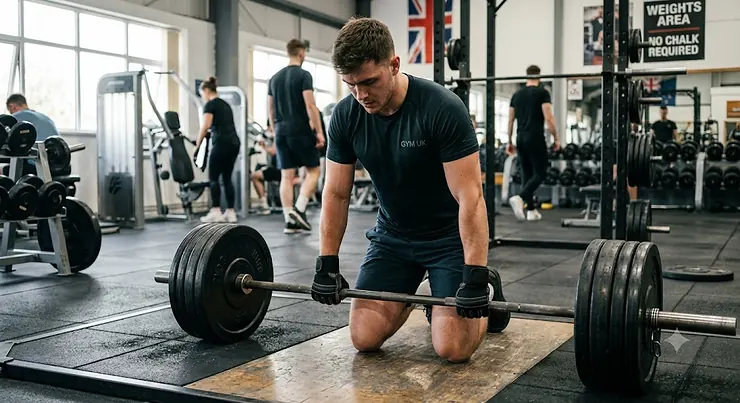
Your hands are doing more honest work than almost any other part of your body on deadlift day, and yet they’re the part you probably think about least — right up until the bar starts peeling skin off your palm mid-set. Deadlift gloves under £20 sit in an odd little pocket of the fitness market: cheap enough that you won’t feel guilty binning a worn-out pair, but — if you pick well — good enough to genuinely change how a heavy pull feels in your hand.
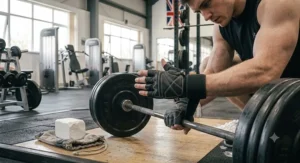
So what actually are they? Deadlift gloves under £20 are padded, palm-protective gym gloves priced below the £20 mark that add grip texture and cushioning between your skin and the barbell, reducing callus build-up and slippage without the bulk or cost of premium leather lifting gear.
The trouble is that “under £20” covers everything from featherweight neoprene wraps to genuine leather half-finger gloves with proper wrist support, and the difference between a good one and a bad one is usually a matter of millimetres — literally, in the padding. Buy the wrong pair and you’ll end up gripping a barbell through what feels like a rolled-up sock, fighting the bar instead of the weight. Buy the right pair and you barely notice they’re there, which, if you think about it, is exactly the point.
This guide walks through seven real, currently available options on amazon.co.uk, all realistically obtainable for under £20, then digs into the stuff that actually matters: padding thickness, grip technique, and how to stop your hands looking like a bricklayer’s by Friday.
Quick Comparison: Deadlift Gloves Under £20 at a Glance
| Glove | Price Range | Palm Padding | Best For |
|---|---|---|---|
| RDX Weight Lifting Gloves | Around £8–£12 | EVA foam, medium | Budget buyers wanting real cushioning |
| ihuan Breathable Fingerless Gloves | Around £10–£14 | 0.23-inch microfibre | Preventing calluses without losing bar feel |
| WESTWOOD FOX Wrist Wrap Gloves | Around £11–£15 | Thin-to-medium | Beginners wanting wrist support too |
| SueStar Cowhide Padded Gloves | £13–£18 range | 4mm cowhide leather | Heaviest cushioning under £20 |
| Harbinger Power Gloves 2.0 | Around £15–£19 | Genuine leather, medium | Reliability and consistent sizing |
| BEAR GRIP Open Workout Gloves | Around £9–£13 | Minimal, open-palm | Hygiene-conscious, minimalist lifters |
| Elite Body Squad Weight Lifting Gloves | £14–£19 range | Soft leather, medium-thick | UK buyers wanting a leather finish |
Looking at the spread above, the padding differences matter more than the price differences: SueStar and Elite Body Squad lean into thicker leather cushioning for lifters who already have sensitive palms, while ihuan and BEAR GRIP deliberately keep things thin so you don’t lose contact with the bar. RDX and Harbinger Power Gloves 2.0 sit in the middle, which is probably why they’re two of the best-reviewed options in this price bracket. If you’re brand new to deadlifting gloves entirely, that middle ground is usually the safer starting point before you know which end of the padding spectrum suits your hands.
💬 Found a pair that looks right? Compare current prices before they change — stock on the popular sizes shifts fast.🤗
Top 7 Deadlift Gloves Under £20: Expert Analysis
1. RDX Weight Lifting Gloves — best budget EVA-padded pick for heavy pulls
What immediately stands out about the RDX Weight Lifting Gloves is the EVA foam padding running across the full palm, which spreads bar pressure evenly instead of letting it dig into the base of your fingers the way thinner gloves do. The half-finger cut leaves your fingertips free for chalk and plate-loading, and a dotted silicone print across the palm adds real texture against a knurled bar rather than relying on smooth fabric alone. Underneath, breathable nylon with finger-gap ventilation keeps things from turning into a swamp mid-session, which matters more than people expect once you’re three deadlift sets deep. Based on the spec comparison with everything else in this list, the EVA foam here punches above its price point — it’s noticeably firmer than the microfibre padding you get on some rivals, so it holds its shape rep after rep instead of compressing flat. This makes it a strong pick for beginners and intermediate lifters who want tangible palm protection without paying premium-leather prices. Reviewers consistently note that the fit runs true to size and that the padding coverage is excellent, though a recurring comment is that the cushioning stops just short of the base of the palm (the thenar area), meaning very heavy pullers sometimes still feel pressure right at the wrist crease.
Pros:
- ✅ Firm EVA foam holds shape through heavy sets
- ✅ Half-finger design keeps chalk and plates accessible
- ✅ Genuinely breathable, doesn’t turn clammy fast
Cons:
- ❌ Padding stops short of the thenar/wrist crease
- ❌ Sizing runs slightly small for wider hands
Typically found in the £8–£12 range, the RDX Weight Lifting Gloves represent some of the best pound-for-pound palm protection on this list — check current price before buying, as RDX often runs limited-time deals.
2. ihuan Breathable Fingerless Gloves — best for calluses without losing bar feel
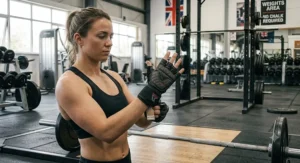
The standout feature on the ihuan Breathable Fingerless Gloves is deliberate: the brand settled on a 0.23-inch palm pad after what it describes as extensive testing, aiming for the exact midpoint between “too thin to protect you” and “too thick to grip properly.” That’s a genuinely useful design decision, because most cheap gloves either skimp on padding entirely or overdo it until the barbell feels like it’s a different diameter in your hand. The microfibre palm is layered with anti-slip silicone dots, and a lengthened wrist strap gives light support without turning the glove into a full wrist wrap. What most buyers overlook about this model is that it’s really built for callus prevention first and grip enhancement second — it’s a maintenance tool as much as a performance one. Aggregated reviewer sentiment is genuinely mixed here: many buyers praise the exact padding balance and comfort for pull-ups and lighter lifting, but a notable minority — including reviewers specifically testing it for heavier deadlift work — report the padding feels thin once the weights get properly heavy, with palm discomfort creeping back in on top sets.
Pros:
- ✅ Precisely engineered mid-thickness padding
- ✅ Excellent breathability from microfibre back panel
- ✅ Anti-slip silicone dots add genuine bar traction
Cons:
- ❌ Some reviewers find padding too thin for max-effort pulls
- ❌ Wrist strap offers light support only, not heavy wrapping
Usually priced in the £10–£14 range, the ihuan Breathable Fingerless Gloves are best suited to lifters prioritising callus prevention and all-round gym use over pure heavy-deadlift cushioning.
3. WESTWOOD FOX Wrist Wrap Gloves — lightest wrist-wrap design for beginners
The WESTWOOD FOX Wrist Wrap Gloves lead with their extended, elasticated wrist strap — genuinely longer than most gloves at this price — which wraps for real wrist stability rather than the token half-inch of Velcro you get elsewhere. The sweat-absorbing microfibre body stays cool thanks to open-pore ventilation on the back of the hand, and the whole glove is noticeably lighter and more flexible than leather-based rivals. In practical terms, that lighter build means less bulk between your fingers and the bar, useful if you find thicker gloves make it harder to feel exactly where the bar sits in your hand during the setup phase of a deadlift. Here’s what to weigh: this is a support-focused glove first, a padding-focused glove second, so if your priority is stopping calluses rather than steadying your wrists, it’s not the strongest option on this list. Reviewers consistently highlight the sizing chart and wrist strap quality as standout points, with several noting the Velcro closure feels sturdier than expected for the price, though the palm padding itself draws comparatively little comment either way.
Pros:
- ✅ Genuinely long, supportive elasticated wrist strap
- ✅ Lightweight build preserves bar feel
- ✅ Strong ventilation, doesn’t overheat hands
Cons:
- ❌ Palm padding is thinner than most rivals here
- ❌ Less suited to lifters chasing serious callus protection
At around £11–£15, the WESTWOOD FOX Wrist Wrap Gloves are a sensible pick for beginners who want wrist reassurance during their first heavy pulls more than maximum palm cushioning.
4. SueStar Cowhide Padded Gloves — thickest cowhide cushion under £20
The SueStar Cowhide Padded Gloves make their case with a genuine 4mm cowhide leather palm, following what the brand calls the hand’s natural pressure lines — and on paper this means noticeably more cushioning than any foam-based glove on this list. The 3/4 finger cover extends further up the fingers than most competitors, and double-stitched seams inside are designed to avoid the raised ridges that cause hot spots on long sessions. A silicone-printed grip pattern sits over the leather for extra traction, and a pull tab on the fingertip makes them quick to remove between exercises. What most buyers overlook about a leather-palmed glove like this is the break-in period — cowhide needs a handful of sessions to soften and mould to your grip, so the first few workouts can feel stiffer than a synthetic glove straight out of the packet. Reviewers consistently report that once broken in, the padding genuinely eliminates calluses even under heavy barbell rows and deadlifts, with wear resistance holding up noticeably better over months than the thinner microfibre gloves elsewhere on this list.
Pros:
- ✅ Thickest genuine cushioning of any glove here
- ✅ Durable cowhide holds up over months of use
- ✅ Extended 3/4 finger coverage reduces hot spots
Cons:
- ❌ Stiff out of the box, needs a break-in period
- ❌ Extra padding slightly increases effective bar diameter
Priced in the £13–£18 range, the SueStar Cowhide Padded Gloves are the pick for anyone whose hands already blister easily and who values protection over minimalism.
5. Harbinger Power Gloves 2.0 — best-known brand, most consistent sizing
The Harbinger Power Gloves 2.0 lean on decades of brand history rather than a single gimmick, with a padded genuine leather palm, reinforced high-touch zones, and updated thumb padding placed exactly where powerlifters tend to feel pressure first. Finger and wrist pull tabs make them quick to get on and off between sets, and the hook-and-loop wrist closure is wide enough to actually stay adjusted through a full session rather than loosening rep by rep. Based on the spec comparison, this is an entry-level glove from a brand whose more expensive lines are considered serious lifting gear, which shows in small details like consistent sizing across batches — something cheaper unbranded gloves frequently get wrong. On paper this means less returns-and-reorders hassle than some of the newer brands on this list. Reviewers consistently note that Harbinger’s sizing chart is unusually accurate compared with rivals, and that the leather palm protects effectively against blisters during both dumbbell and barbell work, though a handful mention the reinforced high-touch padding creates a slight seam ridge some lifters can feel under maximum grip pressure.
Pros:
- ✅ Highly consistent, accurate sizing across batches
- ✅ Reinforced high-touch zones protect key pressure points
- ✅ Quick-release pull tabs speed up transitions
Cons:
- ❌ Sits near the top of the £20 budget
- ❌ Seam ridge noticeable to some under max grip
Typically around £15–£19, the Harbinger Power Gloves 2.0 suit lifters who’d rather pay a little more within budget for a trusted, well-reviewed brand name.
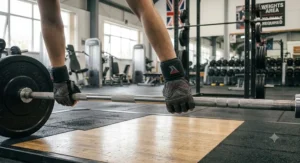
6. BEAR GRIP Open Workout Gloves — best hygienic, no-full-glove alternative
The BEAR GRIP Open Workout Gloves take a completely different approach: rather than a full glove, they’re an open-hand grip design that covers the palm while leaving the back of the hand exposed, with adjustable wrist wraps holding everything in place. The breathable silicone grip surface is the standout feature, giving direct palm contact with the bar through a textured layer rather than fabric, which many lifters find preserves bar feel better than a conventional glove. Here’s what to weigh: because your fingers and the back of your hand stay uncovered, sweat has far less material to sit in, making this one of the more hygienic options here — useful if you share gym equipment or simply hate the damp-glove smell by Thursday. What the spec sheet won’t tell you, but reviewer patterns suggest, is that this style suits lifters who’ve already tried full gloves and found them too restrictive, rather than complete beginners looking for maximum coverage. Aggregated feedback consistently praises the adjustable wrist wrap fit and the direct-grip feel, with the main recurring criticism being that coverage is minimal compared with a full glove, so it won’t fully protect against calluses forming on the fingers themselves.
Pros:
- ✅ Minimal fabric means better hygiene and airflow
- ✅ Silicone grip preserves direct bar feel
- ✅ Adjustable wrist wrap fits a wide range of hand sizes
Cons:
- ❌ Doesn’t cover fingers, so limited callus protection there
- ❌ Less cushioning overall than padded full-glove rivals
Usually found around £9–£13, the BEAR GRIP Open Workout Gloves are best for lifters who want grip and hygiene benefits without the bulk of a traditional glove.
7. Elite Body Squad Weight Lifting Gloves — best UK-made leather finish
The Elite Body Squad Weight Lifting Gloves open with soft leather that’s designed to mould to your hand shape over time rather than staying rigid, paired with double-stitched fingers and a wrap-around wrist strap for extra stability during heavier pulls. A breathable mesh Lycra panel on the back of the hand and an easy-open finger tab round out a glove that, spec for spec, sits closer to a premium product than its price tag suggests. Based on the spec comparison, the leather quality here is a genuine step up from synthetic alternatives on this list, and the brand backs it with a fairly confident returns policy, which says something about how it expects the product to perform long-term. What most buyers overlook is that this is one of the more established UK-specific gym-glove brands rather than a generic marketplace listing, and it shows in the consistency of the stitching and finish reviewers report. Reviewers consistently rate this highly for comfort and grip during heavier barbell and dumbbell work, with a large volume of positive feedback around the wrist strap stability specifically; the most common criticism is that the sizing runs slightly generous, so those between sizes are generally advised to size down.
Pros:
- ✅ Genuine leather palm moulds to your hand over time
- ✅ Wrap-around wrist strap adds real lifting stability
- ✅ Strong, well-established review history
Cons:
- ❌ Sizing runs generous — size down if unsure
- ❌ Sits near the top of the £20 budget range
At around £14–£19, the Elite Body Squad Weight Lifting Gloves are a strong all-rounder for UK buyers who want a leather finish without leaving the budget bracket entirely.
Full Spec Comparison: All 7 Deadlift Gloves Under £20
| Glove | Material | Padding | Finger Style | Price Range |
|---|---|---|---|---|
| RDX Weight Lifting Gloves | Nylon + EVA foam | Medium, firm | Half-finger | £8–£12 |
| ihuan Breathable Fingerless Gloves | Microfibre | 0.23-inch | Fingerless | £10–£14 |
| WESTWOOD FOX Wrist Wrap Gloves | Microfibre | Thin-medium | Fingerless | £11–£15 |
| SueStar Cowhide Padded Gloves | Cowhide leather | 4mm, thick | 3/4-finger | £13–£18 |
| Harbinger Power Gloves 2.0 | Genuine leather | Medium | Half-finger | £15–£19 |
| BEAR GRIP Open Workout Gloves | Silicone + fabric | Minimal | Open-palm | £9–£13 |
| Elite Body Squad Weight Lifting Gloves | Soft leather | Medium-thick | Fingerless | £14–£19 |
The clearest pattern in this table is that padding thickness and price don’t move in a straight line — BEAR GRIP and RDX sit at opposite ends of the padding spectrum yet cost roughly the same. If your hands already blister easily, SueStar and Elite Body Squad are worth the extra few pounds for their thicker leather palms, whereas lifters who’ve never worn gloves before will likely adapt faster to the medium padding on RDX or Harbinger Power Gloves 2.0.
What Palm Padding Thickness Actually Works Best?
There’s a genuine engineering trade-off buried in every glove on this list, and it’s worth understanding before you buy: thicker padding protects your skin but increases the effective diameter of the bar in your hand, which can quietly sabotage your grip strength on a max-effort pull. Thinner padding preserves bar feel but does less to stop friction damage over a training block.
Based on the spec comparison across this list, padding in the 3–4mm range (as seen on SueStar) tends to suit lifters who already have sensitive or callus-prone palms and are willing to trade a little grip sensitivity for comfort. Padding closer to 0.2–0.3 inches (roughly 5–7mm, as on ihuan) sits in a genuinely well-considered middle ground for general gym use. Meanwhile, the thin-to-minimal padding on BEAR GRIP and WESTWOOD FOX suits lifters who’ve built up some tolerance already and mainly want a barrier against sudden friction rather than long-term cushioning.
The honest answer, and one the marketing copy on most listings won’t give you, is that there’s no single “correct” thickness — it depends on your current callus state, your grip strength relative to your bodyweight, and simply what you’re used to. If you’re unsure, starting with a medium-padded option and adjusting from there is the lowest-risk approach.
Deadlift Grip Technique: Hook, Mixed and Double Overhand Explained
Gloves solve a friction problem, but they don’t solve a technique problem, and grip technique genuinely determines how much weight you can move before your hands give out. There are three grip styles worth knowing.
Double overhand — both palms facing you — is the safest starting point for beginners, but the bar can roll slightly in your hands under heavy load, which is exactly where grip failure tends to begin. Mixed grip, with one palm facing you and one facing away, prevents that roll and lets most lifters handle noticeably heavier weight, though it does load the shoulders asymmetrically over time, which is why many coaches suggest alternating which hand goes under. Then there’s the hook grip, used widely in Olympic weightlifting and increasingly in powerlifting, where the thumb is trapped under the fingers against the bar — uncomfortable at first, genuinely painful for the first few sessions if we’re honest, but it keeps both shoulders in a symmetrical, safer position and tends to hold up better as the weight climbs.
None of the gloves on this list are designed to replace grip technique, and a couple — BEAR GRIP in particular, thanks to its minimal palm coverage — are specifically built to let you practise hook grip without extra bulk getting in the way of trapping your thumb properly.
How to Choose Barbell Gloves for Grip
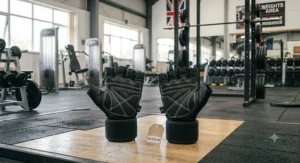
If grip performance rather than callus prevention is your main concern, work through these steps in order:
- Check the grip surface material first. Silicone dot prints (as on RDX) or full silicone panels (as on BEAR GRIP) generally outperform smooth fabric or bare leather on a chalked bar.
- Match padding to your bar-feel preference. Thicker padding protects skin but can dull your sense of exactly where the bar sits in your palm.
- Confirm the fit is snug, not loose. A glove that shifts on your palm mid-set undoes any grip benefit instantly.
- Look at wrist support separately from grip. A long wrist strap, as on WESTWOOD FOX, adds stability but doesn’t itself improve traction.
- Consider your usual grip style. Hook-grip lifters generally do better with thinner, more open designs; mixed-grip lifters can handle thicker padding without issue.
- Factor in sweat. Wet palms undo grip surfaces fast — breathable backs like on ihuan matter more than they sound.
- Read for consistency of sizing, not just star rating — a 4.5-star glove that runs a full size small is still a poor fit for you specifically.
For workplace-grade context on why glove fit and grip surface genuinely matter for safe handling, the Health and Safety Executive’s guidance on choosing protective gloves covers similar fit and grip principles, even though it’s written for industrial settings rather than the gym.
Barbell Gloves for Calluses: What Actually Helps
Not every glove on this list is built with calluses as the priority, and it’s worth being blunt about which ones are. SueStar, Elite Body Squad, and RDX all lead with genuine cushioning depth, which is what actually matters for callus prevention — friction reduction, not grip enhancement, is the relevant mechanism here. ihuan sits close behind, having been specifically engineered around a “not too thin, not too thick” philosophy aimed at exactly this problem.
What most buyers overlook is that a glove only prevents new calluses forming under the padded area — it does nothing for skin that’s already thickened, and it won’t help at all on the sides of fingers or the base of the palm if your grip style puts pressure outside the glove’s coverage zone. That’s precisely why the 3/4-finger coverage on SueStar has a real, practical advantage over the shorter half-finger cut on RDX or Harbinger Power Gloves 2.0 for lifters whose calluses tend to form higher up the fingers rather than in the centre of the palm.
Callus Management Beyond Gloves: A Problem–Solution Guide
Gloves are one piece of a bigger picture, and a few common problems have straightforward fixes that go beyond simply buying padding.
Problem: existing calluses are catching and tearing mid-set. Regularly filing down thickened skin with a proper callus file or pumice stone after showering — when skin is softened — keeps thickness manageable and reduces the chance of a painful tear under load.
Problem: new calluses keep forming despite wearing gloves. This usually means the glove’s coverage doesn’t match where the friction is actually occurring; try a longer-finger design like SueStar‘s 3/4-finger cut rather than a half-finger option.
Problem: hands feel dry and cracked between sessions. Regular moisturising with a proper hand cream keeps skin more pliable, which the NHS notes can genuinely help manage thickened, callused skin over time, alongside gentle exfoliation rather than aggressive cutting or picking.
Problem: you don’t know whether to remove calluses entirely. Total removal isn’t usually advisable for regular lifters — some hardened skin acts as natural, permanent protection — the goal is managing thickness, not eliminating it.
Problem: sweat is making grip and glove hygiene worse. Rotating between two pairs of gloves, letting each fully air-dry between sessions, addresses both the odour and the grip-loss problem at once.
Padded Gloves vs Straps vs Chalk vs Bare Hands
| Method | Grip Support | Callus Protection | Competition Legal | Best For |
|---|---|---|---|---|
| Bare hands | None added | None | Yes | Building raw grip strength |
| Chalk | Moderate | None | Yes (most feds) | Sweaty hands, most lifters |
| Lifting straps | High | Low | No (raw deadlift) | Back/accessory work, not max pulls |
| Padded deadlift gloves | Low–moderate | High | Varies by federation | Callus-prone lifters, general training |
The trade-off here is stark once you see it laid out: padded gloves like the seven featured in this guide protect your skin better than any other option, but they add the least raw grip support compared with chalk or straps, and — unlike bare hands or chalk — they’re not universally accepted in competition settings, so check your federation’s rules before relying on them for a meet. For general gym training, though, where competition legality isn’t a factor, gloves remain the only option on this table that actively protects skin rather than just improving hold.
Practical Usage Guide: Getting the Most from Your Deadlift Gloves
New gloves need a settling-in period, and skipping it is the single most common reason people decide gloves “don’t work” within a fortnight. For the first week, wear them on lighter accessory lifts before introducing them to your heaviest deadlift sets, letting leather options like Elite Body Squad or SueStar soften and mould to your hand shape rather than forcing full working weight through stiff, unbroken-in leather on day one.
Fit them snugly but not restrictively — a common early mistake is buying a size up “for comfort,” which actually creates loose fabric that bunches under the bar and causes more friction, not less. Rinse sweat out after every session rather than letting gloves dry stiff with salt residue, which speeds up material breakdown, particularly on foam-padded models like RDX.
A simple maintenance schedule works well: air-dry after every use away from direct heat, hand-wash weekly if your training volume is high, and inspect the palm padding monthly for compression or splitting, which is usually the first visible sign a pair needs replacing. For broader guidance on glove upkeep and fit that applies well beyond just deadlifting, Decathlon’s gym glove guide covers similar maintenance principles worth following regardless of which pair you choose.
✨ Don’t Miss These Exclusive Deals!
🔍 Take your deadlift session to the next level with the picks above. Click through to check today’s price and availability on the model that fits your grip style — a small investment now could save your palms a lot of grief later.
Real-World Scenarios: Matching Gloves to Lifters
If you’re a university student training three times a week on a tight budget with no callus history yet, the RDX Weight Lifting Gloves make sense — solid EVA padding, low price, and enough grip texture to notice a real difference without overspending on features you don’t need yet.
If you’re an intermediate lifter who’s been training for a year or two and already has some hardened skin forming at the base of your fingers, the SueStar Cowhide Padded Gloves or Elite Body Squad Weight Lifting Gloves are worth the few extra pounds — the thicker leather cushioning and longer finger coverage address exactly the problem you’re already experiencing.
If you’re a hook-grip powerlifter who’s found every full glove gets in the way of trapping your thumb properly, the BEAR GRIP Open Workout Gloves solve a genuinely specific problem that padded gloves elsewhere on this list actively make worse.
And if you’re simply someone who trains occasionally, values a recognisable brand, and doesn’t want to think too hard about sizing charts, Harbinger Power Gloves 2.0 removes most of the guesswork, trading a slightly higher price for consistency you can rely on.
Common Mistakes When Buying Deadlift Gloves Under £20
The most frequent mistake is buying based on star rating alone rather than reading what the padding thickness and finger coverage actually are — a 4.6-star glove with minimal padding is still a poor match if your priority is callus prevention. A close second is ignoring sizing charts entirely; nearly every product listing in this category includes hand-circumference measurements, and skipping that step is why so many reviews mention gloves running small or generously large.
Buyers also frequently assume thicker padding is automatically better, when in reality it can dull grip feel enough to genuinely hurt performance on a one-rep-max attempt. Another common error is buying a single pair for every type of training — a thick-padded glove suited to heavy pulling sessions is often overkill and uncomfortable for lighter accessory or cardio work. Finally, plenty of buyers skip checking whether their gym or federation permits gloves at all for competition-style lifts, only to discover the restriction on meet day.
Features That Actually Matter (And Those That Don’t)
Padding material and thickness matter enormously — this is the single feature most directly tied to callus prevention and comfort under load. Grip surface texture matters almost as much; a smooth-palmed glove genuinely underperforms a textured or silicone-printed one on a chalked bar. Finger coverage length matters if your calluses form outside the centre of the palm, which is common for lifters who use a hook or heavy mixed grip.
What matters far less than marketing suggests: colour and styling, “touchscreen compatible” fingertips (rarely needed mid-set), and multi-sport branding claiming a glove works equally well for cycling, rowing, and lifting — general-purpose gloves are, unsurprisingly, rarely optimised for any one of those activities specifically. Wrist wrap length matters for stability but has essentially nothing to do with grip or callus protection, despite frequently being marketed alongside those benefits.
Long-Term Cost & Maintenance
A £10 pair of gloves replaced every four months works out to roughly £30 a year; a £18 leather pair that lasts closer to ten months, thanks to more durable material, works out similarly once you do the maths — which is why the cheapest option upfront isn’t always the best value over a full year of training. Leather-palmed options like Elite Body Squad and Harbinger Power Gloves 2.0 tend to hold their padding shape longer under repeated compression than foam-based alternatives, which can flatten noticeably within a few months of frequent heavy use.
Maintenance cost is essentially zero beyond your own time — regular rinsing and air-drying, rather than machine washing, adds meaningful lifespan to any of the seven gloves on this list. The real long-term cost consideration isn’t the glove itself but replacement frequency: buying two pairs to rotate, letting each dry fully between sessions, typically extends total useful life more than buying one “better” pair and using it every single day without rest.
Deadlift Gloves for Different Lifters
Complete beginners generally do best starting with medium-padded, half-finger options like RDX, which offer clear protection without overwhelming a hand that hasn’t built any grip callus tolerance yet. Intermediate lifters who’ve started noticing hot spots benefit most from the thicker, longer-coverage designs like SueStar, since their problem areas are usually already identifiable.
Competitive or advanced powerlifters working on hook grip specifically are better served by minimal-coverage options like BEAR GRIP, where thumb-trapping technique isn’t obstructed by extra bulk. Older lifters or anyone managing pre-existing joint sensitivity in the hands often prefer the added wrist stability built into WESTWOOD FOX or Elite Body Squad, where the wrap-around strap does double duty supporting both grip and wrist alignment through a heavy pull.
FAQ
❓ Are deadlift gloves under £20 actually any good?
❓ Do gloves reduce deadlift grip strength?
❓ What is the best palm padding thickness for deadlift gloves?
❓ Can I wear deadlift gloves in powerlifting competition?
❓ How do I stop my hands from sweating in weightlifting gloves?
Conclusion
Deadlift gloves under £20 won’t turn a mediocre pull into a personal best, but the right pair genuinely removes one small, painful variable from your training that has no business slowing you down. Across the seven options here, RDX and Harbinger Power Gloves 2.0 offer the safest middle-ground padding for most lifters, SueStar and Elite Body Squad step up for anyone already dealing with sensitive palms, and BEAR GRIP carves out a genuinely useful niche for hook-grip specialists who want almost nothing between their hand and the bar.
What matters most is matching padding and coverage to your actual hands and your actual grip style, not simply picking whichever listing has the most stars. Try the step-by-step buying criteria above, be honest about where your calluses tend to form, and you’ll land on a pair that quietly does its job — which, for a piece of gym kit under £20, is genuinely all you can ask.
✨ Ready to Protect Your Grip?
🔍 Browse today’s prices on the seven picks above and find the pair that matches your training style — your hands will thank you by the end of the week.
Recommended for You
- 7 Best Women’s Gym Gloves for Small Hands in 2026
- Women’s Gym Gloves: 7 Honest Picks for 2026 (Grip Guide)
- Women’s Gym Gloves Under £15: 7 Best Picks for 2026 (No Calluses)
Disclaimer: This article contains affiliate links. As an Amazon Associate, I earn from qualifying purchases. If you purchase products through these links, we may earn a small commission at no additional cost to you.
✨ Found this helpful? Share it with your friends! 💬🤗
