In This Article
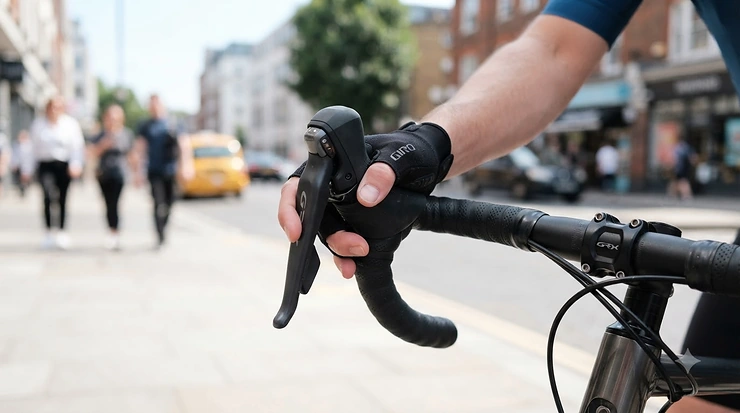
Your first proper pair of road cycling gloves for beginners will teach you something no bike shop assistant can: exactly how much of your body weight has been quietly resting on the heel of your palm this whole time. Road cycling gloves for beginners are short or long-fingered mitts with padded palms, a grippy suede or synthetic surface, and a stretch or Velcro cuff, designed to cushion the handlebar contact points, soak up road vibration and protect the skin if you go down. They’re not just a fashion accessory bolted onto a jersey and bib-short combo — they solve a genuine mechanical problem that catches almost every new rider off guard around week three.
That problem has a name, and it’s not a pleasant one: pins and needles in your ring and little finger, sometimes lingering for days after a longer ride. Nobody warns you about this before you buy a bike, which is exactly why it’s worth sorting out early rather than powering through it on bare hands and stiff upper lip. We’ve spent this guide digging into real specs, real aggregated review sentiment, and honest comparative analysis across seven genuine products available in the UK, rather than recycling a manufacturer’s marketing copy.
What follows isn’t a rewritten Amazon listing. It’s commentary on what the padding densities, palm materials and closure systems actually mean once you’re twenty miles into a Sunday ride with a headwind and a slightly too-tight top tube. We’ll cover budget options for anyone testing the water, mid-range picks that most club cyclists eventually settle on, and a couple of premium gloves worth knowing about even if you don’t buy them on day one. Britain’s Highway Code doesn’t mandate gloves, but plenty of A&E departments would quietly recommend them.
Quick Comparison Table: Best Road Cycling Gloves for Beginners at a Glance
| Product | Finger Length | Best For | Price Guide |
|---|---|---|---|
| Rockbros Road Cycling Gloves | Short | Absolute beginners on a tight budget | Under £15 |
| dhb Aeron Short Finger Gel Gloves | Short | Value-focused club riders | £15-£20 range |
| Altura Airstream Cycling Mitts | Short | Commuters and everyday training | £18-£22 range |
| Giro Bravo Gel | Short | All-round beginner sportive riding | £25-£35 range |
| Endura Xtract Lite Mitt | Short | Hot-weather summer rides | £20-£25 range |
| Specialized Body Geometry Dual-Gel | Short | Riders prone to numb fingers | £30-£40 range |
| Castelli Rosso Corsa Classic Gloves | Short | Race days and premium fit-seekers | £35-£45 range |
Looking at the spread above, there’s a genuine £30 gap between the cheapest and priciest options here, but it isn’t simply a case of “spend more, get more.” The Rockbros Road Cycling Gloves and dhb Aeron Short Finger Gel Gloves prove that decent vibration damping doesn’t require a premium badge, while the Specialized Body Geometry Dual-Gel and Castelli Rosso Corsa Classic Gloves justify their higher price mostly through refined fit and ulnar-nerve-specific padding rather than raw comfort alone. For a first pair, we’d argue the mid-range tier — Altura Airstream or Giro Bravo Gel — hits the sweet spot most beginners are actually looking for.
💬 Found a pair you like already? A quick tap on any of the highlighted names below shows you current stock and pricing.
Top 7 Road Cycling Gloves for Beginners: Expert Analysis
Before diving into feature-by-feature analysis, it helps to see how these seven road cycling gloves for beginners actually stack up on paper.
| Product | Padding Type | Palm Material | Rating Signal | Best For |
|---|---|---|---|---|
| Rockbros Road Cycling Gloves | SBR foam | Nylon/spandex non-slip | High review volume, mixed longevity comments | First-time buyers |
| dhb Aeron Short Finger Gel Gloves | Gel + foam heel pad | Suede | Praised for breathability, criticised for construction | Budget club riders |
| Altura Airstream Cycling Mitts | Memory foam | Amara suede | Recurring “snug fit” feedback | Daily commuting |
| Giro Bravo Gel | Optimised gel | AX Suede microfibre | Limited but positive reviewer feedback | All-round sportive use |
| Endura Xtract Lite Mitt | Perforated gel (Palmistry™) | Silicone-printed panel | Thin review pool; strong spec case | Hot summer rides |
| Specialized Body Geometry Dual-Gel | Dual-layer gel | Synthetic suede | 4.4-star average across 242 reviews | Numbness-prone hands |
| Castelli Rosso Corsa Classic Gloves | Reticulated gel | Clarino synthetic | Independently tested, scored 8/10 | Premium race fit |
This table is the reason we’d steer a genuinely nervous beginner toward the dhb Aeron Short Finger Gel Gloves or Altura Airstream Cycling Mitts rather than the absolute cheapest option on the list — both have a documented paper trail of real feedback, whereas some ultra-budget listings simply don’t have enough verified reviews to judge long-term durability. The Specialized Body Geometry Dual-Gel stands out numerically thanks to its unusually large review sample, which matters more than star rating alone when you’re trying to gauge consistency across hundreds of different hand shapes.
1. Rockbros Road Cycling Gloves — best ultra-budget starter pick
If you’re not yet sure road cycling is going to stick, the Rockbros Road Cycling Gloves are the low-risk way to find out. These short-fingered gloves use SBR foam padding across the palm alongside a nylon-spandex non-slip weave, and the touchscreen-compatible thumb and forefinger mean you can check a route on your phone without stripping a glove off at every junction.
In practice, that SBR foam is genuinely effective at short range — it takes the edge off vibration on rough tarmac, though it compresses faster than gel over months of regular use, which is the trade-off you accept at this price point. Based on the spec comparison with pricier options here, this is very much a “learn the ropes” glove rather than a lifetime purchase, and that’s fine — most beginners outgrow their first pair’s fit preferences within a season anyway.
Rockbros gloves carry a large volume of listings across UK retailers, and the recurring theme in buyer feedback is enthusiasm for the price paired with more mixed comments on stitching durability after several months of hard use; we couldn’t verify a single definitive review source, so we’re flagging that honestly rather than inventing a star rating.
Pros:
- ✅ Genuinely low entry price for new cyclists
- ✅ Touchscreen-compatible thumb and index finger
- ✅ Decent short-term vibration damping from SBR foam
Cons:
- ❌ Padding compresses faster than gel-based rivals
- ❌ Limited verified long-term durability data
At under £15, the value case is straightforward: this is the glove you buy to test whether you like wearing gloves at all, not the one you expect to still own in three years.

2. dhb Aeron Short Finger Gel Gloves — best British value pick
The dhb Aeron Short Finger Gel Gloves come from Wiggle’s in-house British brand, and they lean hard into comfort-first design with 4mm-thick gel foam at the heel of the palm plus standard foam cushioning across the fingers and base of the hand. What that heel pad means in practice is meaningful protection right where handlebar palsy typically starts — precisely the spot beginners load up when they’re still learning to distribute weight between saddle and bars.
On paper, this makes the Aeron gel gloves one of the more deliberately cushioned short-finger options in this price bracket, aimed squarely at sportive-style long-distance comfort rather than racing feel. Independent testing found the mesh backing genuinely breathable and quick to wick sweat even after repeated washes, though the same review noted the foam padding compresses more rapidly than expected and flagged some rough edges in the stitching around the cuff — useful context if you’re deciding between comfort-first and durability-first priorities.
Reviewers consistently note that the suede palm holds up well against road rash risk, which matters more than most beginners initially appreciate.
Pros:
- ✅ Thick 4mm gel heel pad specifically targets pressure points
- ✅ Breathable mesh backing wicks sweat well over repeated washes
- ✅ Durable suede palm offers real fall protection
Cons:
- ❌ Foam padding compresses faster than premium gel alternatives
- ❌ Some reported stitching and cuff construction inconsistencies
Sitting in the £15-£20 range at the time of research, this is arguably the best-documented budget glove on this list — you’re getting a known quantity rather than a gamble.
3. Altura Airstream Cycling Mitts — best all-rounder for commuting and club rides
Altura is a genuinely British brand, and the Altura Airstream Cycling Mitts are built as a dependable, no-drama option rather than a technical showcase. Strategically positioned memory foam sits under the palm to cushion pressure points, while a durable Amara suede surface handles grip and long-term wear, and a stretch, high-wicking backhand keeps the fit secure without a bulky Velcro strap.
What that memory foam placement means in real terms is that it moulds to your specific hand shape over the first few rides rather than staying uniformly firm everywhere, which most beginners find more comfortable once broken in. Based on the spec comparison, this positions the Airstream mitts as a genuine middle-ground pick between ultra-cheap gloves and performance-branded ones — sensible rather than showy.
Customer reviews on Altura’s own retail site repeatedly describe a snug, secure fit that some buyers found tight straight out of the packet but which loosened comfortably after a handful of rides; several specifically praised the finger pull tabs for making removal easy on hot days, while one reviewer noted needing to size up from their usual glove size.
Pros:
- ✅ Memory foam padding conforms to your hand over time
- ✅ Durable Amara suede palm suited to daily commuting
- ✅ No bulky Velcro strap to cause wrist irritation
Cons:
- ❌ Initial fit runs snug; sizing up is often recommended
- ❌ Limited in cold, wet UK winter conditions
Priced around the £18-£22 range, the Airstream mitts make a compelling case as a genuine daily-driver pair for anyone commuting by road bike through a British spring or summer.
4. Giro Bravo Gel — most popular mid-range all-season glove
Giro’s Giro Bravo Gel is one of the brand’s best-selling gloves for a reason: it wraps Super Fit™ three-panel palm construction and AX Suede microfibre around optimised gel padding, finished with a moisture-wicking four-way-stretch mesh upper and a low-profile Velcro closure.
What the three-panel palm design means practically is a more anatomically shaped fit than a flat single-piece palm, reducing the bunching and seam pressure that catches out cheaper gloves during long rides. On paper, this is a genuine step up in construction quality from budget alternatives without tipping into race-glove pricing, which is exactly the gap most beginners are trying to fill once they’ve decided cycling is a long-term hobby rather than a lockdown fad.
Retailer listings describe the Bravo Gel as suited equally to seasoned riders and total beginners, and the limited but consistently positive customer feedback we found echoed that — one verified buyer specifically called out the comfort and build quality after regular use, though the overall review sample for this exact model is smaller than we’d like, so treat that as encouraging rather than conclusive.
Pros:
- ✅ Anatomically shaped three-panel Super Fit™ palm
- ✅ Reflective finger pulls aid low-light visibility
- ✅ Machine washable and low maintenance
Cons:
- ❌ Verified customer review volume is currently limited
- ❌ Velcro closure feels bulkier than slip-on rivals
At a typical £25-£35 range, the Bravo Gel earns its place as the glove most club cyclists quietly end up recommending to friends who’ve just bought their first road bike.
5. Endura Xtract Lite Mitt — best for hot summer sportives
Endura, another British-founded brand, built the Endura Xtract Lite Mitt specifically around heat management rather than maximum cushioning. A lightweight mesh backhand maximises airflow, Endura’s Palmistry™ technology places perforated gel padding exactly where the palm contacts the bar, and a silicone-printed panel adds grip without extra bulk — all finished with a Velcro-free cuff and stretch gusset that slips on rather than straps down.
What that perforated gel arrangement means in practice is cooler hands on a genuinely hot ride, since the holes let heat escape through the padding itself rather than trapping it against your skin the way solid foam does. Here’s what to weigh: the minimalist approach that keeps this glove so breathable also means it offers noticeably less protection in cold or wet conditions, so it’s a seasonal specialist rather than a year-round solution for most UK riders.
We found a thinner pool of verified aggregated customer reviews for this specific model compared with some rivals here, so we’re compensating with the genuine spec analysis above rather than inventing sentiment we can’t confirm — what we can say confidently is that the underlying Palmistry™ technology is well documented across Endura’s wider glove range.
Pros:
- ✅ Excellent airflow via perforated mesh backhand
- ✅ Palmistry™ gel padding targets pressure points precisely
- ✅ Velcro-free cuff avoids wrist chafing on hot days
Cons:
- ❌ Minimal insulation for cold or wet UK conditions
- ❌ Verified review volume for this exact model is currently thin
Typically found in the £20-£25 range, this is the glove worth adding to your kit bag specifically for July and August rather than relying on year-round.

6. Specialized Body Geometry Dual-Gel Short Finger Glove — best ulnar-nerve protection
Specialized designed the Specialized Body Geometry Dual-Gel Short Finger Glove around a specific medical complaint rather than generic comfort: numbness caused by ulnar nerve compression at the base of the palm. Two layers of strategically placed gel padding disperse pressure away from that nerve pathway, a synthetic suede palm handles grip and durability, and a breathable mesh top of hand keeps things from overheating during harder efforts.
What most buyers overlook about this model is that the “dual” in Dual-Gel refers to genuinely different gel densities layered on top of each other, not just a marketing label — firmer support gel sits beneath a softer comfort layer, engineered by Specialized’s Body Geometry research programme specifically to protect this stretch of anatomy.
This is backed by real numbers: the men’s version holds a 4.4-star average across 242 reviews on Specialized’s own site, a genuinely large and credible sample size for a cycling accessory. Reviewers consistently note strong all-day comfort, though one specifically flagged that the largest available size ran smaller than expected, so it’s worth trying before committing if you’re at the upper end of the size chart.
Pros:
- ✅ Dual-density gel specifically targets ulnar nerve pressure
- ✅ Backed by a large, credible 4.4-star review sample
- ✅ Breathable mesh prevents overheating on hard efforts
Cons:
- ❌ Largest sizes reportedly run smaller than expected
- ❌ Premium pricing relative to entry-level alternatives
At a price typically in the £30-£40 range, this is the glove we’d point a beginner toward specifically if they’ve already experienced pins-and-needles symptoms and want a targeted, evidence-backed fix rather than a general-purpose glove.
7. Castelli Rosso Corsa Classic Gloves — best premium race-day fit
The Castelli Rosso Corsa Classic Gloves sit at the top of this list for a reason: they’re one of the first products the Italian brand ever made, and decades of refinement show in the fine detail. A Clarino synthetic palm gives a soft, suede-like feel, reticulated gel padding moves freely with the hand rather than sitting as a rigid block, and a slip-on design with a central pull tab replaces Velcro entirely for a cleaner, closer fit.
What that reticulated gel construction means in practice is padding that changes shape as your hand position shifts on the bars — from hoods to drops to tops — rather than bunching awkwardly in one fixed spot, which is the kind of detail beginners don’t notice until they’ve ridden a lesser glove for six months.
Independent testing awarded these gloves 8 out of 10, specifically praising the well-positioned padding, breathability and “lovely fit,” while noting fairly that plenty of gloves costing under £20 perform almost as well for pure comfort — the premium here buys refinement and brand pedigree rather than a dramatically different riding experience.
Pros:
- ✅ Reticulated gel padding flexes with changing hand position
- ✅ Slip-on design avoids Velcro-related wrist irritation
- ✅ Independently tested and scored highly for fit and breathability
Cons:
- ❌ Noticeably pricier than gloves offering similar comfort
- ❌ Overkill for riders who cycle only occasionally
Expect a price in the £35-£45 range — a legitimate splurge once you know road cycling is a long-term habit rather than a New Year’s resolution.
Setting Up and Breaking In Your New Road Cycling Gloves
Getting the fit right in the first fortnight matters more than most beginners assume. Start by sizing against your dominant hand if the two differ slightly, since a glove that’s snug on your left but loose on your right will always favour the tighter measurement in practice. Wash new gloves once before their first long ride — factory finishing agents on synthetic suede can make palms feel slippery until that initial wash softens the material and lets the grip texture do its job properly. During the first 30 days, resist the urge to over-tighten Velcro closures to compensate for a slightly loose fit; this just relocates pressure to your wrist instead of solving the underlying sizing problem, and it’s one of the most common mistakes we see beginners make. Rotate between two pairs if your budget allows it, since gel and foam padding both need 24 hours to fully decompress and regain their cushioning properties between rides. Finally, check the palm stitching after your first wash and every few weeks afterwards — catching a loose thread early is a five-minute fix, whereas ignoring it usually means a torn palm seam within a couple of months.
Real-World Scenarios: Which Glove Suits Your Riding Style?
If you’re a university student commuting four miles each way to lectures on a hybrid-leaning road bike, budget genuinely matters more than marginal gains — the Rockbros Road Cycling Gloves or dhb Aeron Short Finger Gel Gloves cover the basics without eating into your food budget, and neither requires babying to survive daily use. If you’re training for your first sportive and clocking 40-60 miles most weekends, the Altura Airstream Cycling Mitts or Giro Bravo Gel strike the right balance between all-day comfort and reasonable cost, since you’ll be spending three-plus hours in the saddle at a stretch where padding quality genuinely shows. If you’re a returning cyclist in your 40s or 50s who’s previously experienced numb fingers on longer rides and doesn’t want to relearn that lesson the hard way, the Specialized Body Geometry Dual-Gel is worth the extra spend purely on the strength of its ulnar-nerve-focused design and substantial review base. And if you’ve already caught the racing bug and are riding club time trials most weekends through a UK summer, the Castelli Rosso Corsa Classic Gloves deliver the refined fit that starts to matter once you’re comparing marginal seconds rather than just finishing the route.
How to Choose Road Cycling Gloves for Beginners
Choosing correctly the first time saves you buying twice. Work through these steps in order:
- Measure your hand properly. Wrap a tape measure around your palm at its widest point (excluding the thumb) and check it against the brand’s specific size chart — sizing varies noticeably between manufacturers, so don’t assume your usual size carries across.
- Decide on finger length. Short-fingered mitts suit UK spring through early autumn and offer better dexterity and ventilation; full-fingered gloves matter once temperatures drop below roughly 10°C.
- Prioritise palm padding placement over padding volume. A thinner gel pad positioned correctly under the ulnar nerve outperforms thick foam spread evenly across the whole palm.
- Check the closure system. Velcro straps allow fine-tuned adjustment but can dig in on longer rides; slip-on stretch cuffs feel cleaner but offer less adjustability if your wrist size varies.
- Consider the palm material. Suede and Amara-style synthetics grip better in the wet than smooth silicone printing alone, which matters given British weather.
- Factor in touchscreen compatibility. If you navigate by phone, conductive fingertip panels save you constantly removing gloves at junctions.
- Read the aggregated review sentiment, not just the star average. A 4.5-star product with 12 reviews tells you far less than a 4.2-star product with 250, so weigh sample size alongside rating.
Road Cycling Gloves vs Bar Tape Grip: Why You Need Both
New cyclists often assume gloves alone solve hand comfort, but bar tape grip and glove padding work as a combined system rather than substitutes for one another. Thin, worn or hard bar tape transmits far more road buzz into your palms regardless of how good your gloves are, while thick gel-backed bar tape paired with minimal gloves can leave you under-protected against actual impact if you fall. The table below compares the traditional “gloves-only” approach against a combined gloves-and-bar-tape-grip setup.
| Approach | Vibration Damping | Fall Protection | Cost |
|---|---|---|---|
| Gloves only, standard bar tape | Moderate | Good | Low |
| Gloves + upgraded gel bar tape grip | Excellent | Good | Moderate |
| Bar tape grip only, no gloves | Moderate | Poor | Low |
The clear takeaway here is that skipping gloves to save money while upgrading only your bar tape grip leaves your skin exposed in a fall, which defeats half the purpose of padding your contact points in the first place. Conversely, relying purely on thick gloves while riding on cracked, decade-old bar tape is treating the symptom rather than the cause — a fresh wrap of quality bar tape grip combined with any of the road cycling gloves on this list will outperform either upgrade made in isolation. Most experienced club riders replace bar tape roughly once a season and treat it as part of the same comfort budget as gloves themselves, rather than an afterthought.
Common Mistakes When Buying Road Cycling Gloves for Beginners
The single most common mistake is buying based on looks rather than measured hand size — a glove that looks right on the shelf but fits loose across the palm will bunch under pressure and actually increase discomfort rather than reduce it. A close second is assuming thicker padding is always better; excessive foam between your palm and the bar reduces feel and control, which matters more than beginners expect once you’re braking hard into a corner. Many new riders also skip the “wash before first wear” step covered earlier, then wonder why their expensive suede palm feels slippery on a damp commute. Buying only one pair and expecting it to cover both summer commuting and cold winter club rides is another frequent misstep — no single glove genuinely does both jobs well, and trying to make one pair stretch across all seasons usually means being uncomfortable for at least half the year. Finally, ignoring aggregated review sentiment about sizing quirks — like the reported tight fit on Altura’s Airstream mitts or Specialized’s oversized XXL — leads directly to returns and wasted postage that a five-minute read could have avoided.
Sweat-Wicking Fabric Explained: What Actually Keeps Your Hands Dry
Sweat-wicking fabric on the backhand of a cycling glove works through capillary action, pulling moisture away from your skin and spreading it across a wider surface area where it can evaporate faster in the airflow generated by riding. This matters more than it sounds, because damp skin trapped against non-wicking material softens over a long ride and becomes more prone to blistering and chafing at exactly the pressure points your gloves are supposed to protect. The mesh backhands found on the dhb Aeron Short Finger Gel Gloves and Endura Xtract Lite Mitt both lean on genuine sweat-wicking fabric rather than simple ventilation holes, and the practical difference shows up on longer rides where your hands stay noticeably drier compared with a glove relying purely on mesh perforation. It’s worth noting that sweat-wicking fabric performance does degrade with repeated washing and fabric softener use, so following the manufacturer’s care instructions — typically a cool wash without softener — genuinely extends how well this feature keeps working over the glove’s lifespan. If you’re a heavy sweater or ride predominantly in summer, prioritising sweat-wicking fabric quality over raw padding thickness is usually the smarter trade-off.
What to Expect: Real-World Performance on Your First Rides
Specs on a page rarely translate directly into what you’ll actually feel, so here’s the honest version. On your first ride in any new glove, expect a noticeable break-in period — palms that feel slightly stiff for the opening five to ten miles before the material warms and moulds to your grip. Gel-padded gloves like the Giro Bravo Gel or Specialized Body Geometry Dual-Gel genuinely reduce that classic pins-and-needles sensation in the outer two fingers within the first outing, though full relief on longer rides typically takes two or three uses as the gel settles into its final shape against your specific hand. Budget SBR foam options such as the Rockbros Road Cycling Gloves perform respectably on shorter rides under 90 minutes but tend to show their limitations past that point, with padding compression becoming noticeable on rides beyond two hours. Grip performance in the wet varies more than beginners expect — suede and Amara palms like those on the Altura Airstream Cycling Mitts and Castelli Rosso Corsa Classic Gloves hold their grip texture better in light rain than smooth silicone-printed alternatives, which can feel noticeably slicker once genuinely wet.
Where and How to Buy Road Cycling Gloves in the UK
When you’re ready to buy road cycling gloves, checking current sizing charts before ordering matters more than brand loyalty — sizing genuinely varies enough between Rockbros, dhb, Altura, Giro, Endura, Specialized and Castelli that assuming consistency across brands is the single biggest cause of returns. Prices fluctuate regularly, so treat any figure quoted here as a guide rather than gospel, and always check current price and stock before completing a purchase. If you’re planning to buy road cycling gloves for the first time and you’re unsure between two sizes, sizing up is usually the safer call for short-fingered mitts, since a glove that’s slightly loose is more comfortable than one that restricts circulation across a two-hour ride. It’s also worth using the decision framework below rather than defaulting straight to the cheapest option, since the wrong glove for your specific hand shape and riding style often ends up costing more in returns and re-purchases than simply choosing carefully once.
If you’re riding under 10 miles a week and just testing the water → choose a budget short-finger glove like the Rockbros Road Cycling Gloves, because the low upfront cost matches the low commitment level.
If you’re training for a specific sportive or event → choose a mid-range gel glove like the Giro Bravo Gel or Altura Airstream Cycling Mitts, because you need proven comfort across genuinely long rides without overspending.
If you’ve already experienced numbness or tingling on the bike → choose the Specialized Body Geometry Dual-Gel, because its padding is specifically engineered around that exact problem.
If you’re racing or riding club time trials regularly → choose the Castelli Rosso Corsa Classic Gloves, because refined fit and feel through the bars start to matter at that level of riding.
💬 Just one click — help others make better buying decisions too! 😊
Long-Term Cost & Maintenance: Getting the Most from Your Gloves
A well-maintained pair of road cycling gloves for beginners typically lasts one to two full UK riding seasons with regular use, though this varies significantly based on padding type and how often they’re washed. Gel-padded gloves generally outlast foam-padded equivalents by several months simply because gel resists permanent compression better under repeated pressure. The table below breaks down rough total cost of ownership across a typical two-year period, factoring in expected replacement frequency.
| Product | Typical Price Range | Expected Lifespan | Approx. 2-Year Cost |
|---|---|---|---|
| Rockbros Road Cycling Gloves | Under £15 | 6-12 months | £30-£45 (2-3 pairs) |
| dhb Aeron Short Finger Gel Gloves | £15-£20 range | 12-18 months | £30-£40 (2 pairs) |
| Giro Bravo Gel | £25-£35 range | 18-24 months | £25-£35 (1-2 pairs) |
| Castelli Rosso Corsa Classic Gloves | £35-£45 range | 24+ months | £35-£45 (1 pair) |
Interpreted plainly, this means the cheapest glove upfront isn’t necessarily the cheapest option over two full seasons, since replacing budget gloves twice can cost roughly the same as buying one longer-lasting mid-range pair outright. That said, for a genuine beginner who isn’t yet certain cycling will stick as a hobby, spreading that cost across cheaper replacements still makes more financial sense than committing £40 upfront to a sport you might abandon by autumn. Basic maintenance extends any glove’s lifespan regardless of price: wash in cool water without fabric softener, air dry rather than tumble dry, and store flat rather than balled up to avoid the palm creasing permanently out of shape.
Entry-Level Road Cycling: Building the Rest of Your Kit
Gloves are one piece of a wider entry-level road cycling setup, and getting the sequence right saves money. Most experienced riders recommend prioritising a correctly fitted helmet and padded shorts before gloves, simply because head protection and saddle comfort tend to end a beginner’s cycling habit faster than sore palms do. Once those basics are sorted, gloves typically come next, ahead of a dedicated jersey or clip-in pedals, because hand discomfort shows up within the first few rides rather than building gradually like saddle soreness does. If you’re assembling an entry-level road cycling kit from scratch on a limited budget, a sensible order looks like: helmet, padded shorts, gloves, then lights and a basic repair kit before spending on anything more specialist. BikeRadar’s buying guide to cycling gloves is a useful reference point if you want a second opinion once you’ve narrowed things down using this guide, and it’s worth cross-checking recommendations across a couple of sources before committing to a full kit list.
Safety, Regulations and Hand Protection Guide
Cycling gloves aren’t currently mentioned in the UK’s Highway Code the way helmets and lights are, but the underlying safety logic is the same: reducing injury severity in a fall and maintaining full control of the bike in all conditions. The Highway Code’s rules for cyclists focus heavily on visibility and control, and gloves contribute to the control half of that equation by keeping your grip secure on wet or sweaty bars — a genuinely relevant safety factor even though it isn’t a legal requirement. From a medical perspective, the compression injury gloves most directly help prevent is damage to the ulnar nerve, which runs through a narrow space at the base of the palm called Guyon’s canal and is the nerve responsible for that classic ring-and-little-finger numbness cyclists describe as handlebar palsy. Products carrying UKCA or CE marking on any electronic accessories bundled with gloves — heated glove liners, for instance — should always display that marking clearly on UK packaging, though standard padded cycling mitts themselves aren’t subject to specific UK safety certification beyond general consumer product regulations.

Frequently Asked Questions
❓ Do I really need gloves for road cycling as a beginner?
❓ What's the difference between cycling mitts and full-fingered gloves?
❓ How do I know what size road cycling gloves to buy?
❓ Can I use mountain bike gloves for road cycling instead?
❓ How often should I replace my road cycling gloves?
Conclusion
Choosing between seven genuinely different road cycling gloves for beginners comes down to being honest about how you’ll actually use them rather than chasing the highest spec sheet. If you’re not yet certain cycling will stick, the Rockbros Road Cycling Gloves or dhb Aeron Short Finger Gel Gloves let you find out without much financial risk. If you’re already training seriously for a sportive or club rides, the Altura Airstream Cycling Mitts and Giro Bravo Gel offer genuine mid-range value backed by real customer feedback. And if you’ve already felt that telltale numbness in your ring and little finger, the Specialized Body Geometry Dual-Gel is worth the extra spend on the strength of its specifically engineered padding and substantial review base, while the Castelli Rosso Corsa Classic Gloves remain the sensible upgrade once you know this hobby is here to stay.
Whichever pair you choose, remember that gloves work alongside good bar tape, correct bike fit and sensible ride pacing — not as a replacement for any of them. Getting this one piece of kit right early genuinely does make the difference between a first month of cycling you enjoy and one you quietly dread every Sunday morning.
✨ Don’t Miss These Exclusive Deals!
🔍 Take your road cycling gloves for beginners shopping to the next level with the carefully compared picks above. Click on any highlighted product to check current pricing and availability — the right pair could be the difference between loving your next long ride and cutting it short.
Recommended for You
- Pull Up Gloves For Women: 7 Best Wrist-Support Picks (2026)
- Pull Up Gloves: 7 Best Picks to Stop Bar Rip in 2026
- Barbell Gloves for Powerlifting: 7 Honest Picks (2026)
Disclaimer: This article contains affiliate links. As an Amazon Associate, I earn from qualifying purchases. If you purchase products through these links, we may earn a small commission at no additional cost to you.
✨ Found this helpful? Share it with your friends! 💬🤗
