In This Article
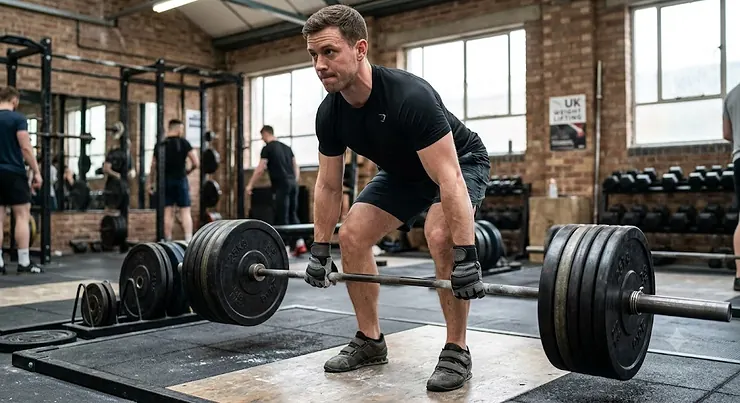
Your hands take a battering long before your legs and back start complaining on a deadlift. Anyone who’s pulled a heavy triple off the floor without protection knows the specific sting of a barbell’s diamond knurling biting into soft skin — and the way it makes you loosen your grip half a second before you’d like to. That’s the whole problem best deadlift gloves are trying to solve: keeping your hands intact and your bar connection solid enough that grip failure isn’t the reason your set ends early.
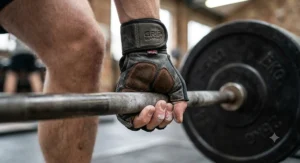
This guide is built around real products you can actually buy on amazon.co.uk, not vague “top picks” pulled from a spec sheet. We’ve dug into genuine specifications, aggregated review sentiment, and honest trade-off analysis to help you pick gear that suits your hands, your training style and your budget — whether that’s a fiver-and-a-bit budget pair or a proper leather-palmed workhorse built to survive years of pulling. In the UK, NHS guidance on physical activity for adults recommends muscle-strengthening work at least twice a week — and if deadlifting is your chosen strengthening activity, protecting the one body part doing all the connecting work is just sensible kit management, not vanity.
We’ll cover seven real gloves and glove-adjacent grip products spanning budget, mid-range and premium, compare them head-to-head, dig into the eternal grip vs strap debate, and walk through exactly how to choose based on your hand size, training goals and how often you’re loading the bar. No fluff, no invented five-star reviews — just what the research actually says.
Quick Comparison Table
| Product | Style | Price Range | Best For |
|---|---|---|---|
| Harbinger Pro Wristwrap Gloves | Half-finger + wrist wrap | £18-£25 | All-round wrist support |
| Grip Power Pads Elite Leather Gym Gloves | Half-finger leather | £22-£30 | Heavy-duty durability |
| Mechanix Original Gloves | Full-finger, no wrist wrap | £14-£20 | Crossover gym/DIY use |
| RDX Weight Lifting Gloves (Long Wrist Support) | Half-finger + long strap | £12-£18 | Budget wrist stability |
| Gymreapers Weight Lifting Grips | Hybrid grip/glove | £20-£28 | Dedicated deadlift pulling |
| Trideer Padded Weight Lifting Gloves | Half-finger, silicone grip | £9-£14 | Tightest budget |
| Fit Active Sports Weightlifting Gloves | Full-hand neoprene | £14-£19 | Sweaty hands / hygiene |
Looking at the spread above, there’s genuinely no single “best” pick — the Harbinger Pro Wristwrap Gloves sit in the sweet spot for most lifters wanting balanced wrist support without paying premium prices, while the Trideer Padded Weight Lifting Gloves prove you don’t need to spend big to get usable palm protection for casual sessions. If your priority is pure bar contact for maximal pulls, though, the Gymreapers Weight Lifting Grips trade some of that padded comfort for a slimmer, more direct connection to the knurling — something worth weighing before you buy on price alone.
💬 Found a pair that looks right for you already? Check current price and availability before stock runs low!😊
Top 7 Deadlift Gloves & Grips: Expert Analysis
1. Harbinger Pro Wristwrap Gloves — best balance of wrist support and breathability
The standout here is the integrated wrist wrap, which does double duty as both stabiliser and closure system without adding noticeable bulk to your grip. The Harbinger Pro Wristwrap Gloves use a vented, dual-layer leather palm built around a resilient foam core, with wrap-around thumb protection stitched in to stop abrasion at the pressure point most gloves neglect. In practice, that foam layer is doing real work: it cushions the bar without turning your hand into a numb slab, which matters when you’re trying to feel the knurling settle into your palm crease before a heavy pull.
Based on the spec comparison against cheaper wrist-wrap gloves, the Harbinger’s genuine leather construction and double-stitched seams are what justify the mid-range price — budget alternatives tend to use bonded synthetic leather that cracks and peels within a few months of regular gym use. Reviewers consistently report that the wrist wrap holds its tension through multiple sets without needing re-tightening, and that the perforated palm keeps hands noticeably cooler than solid neoprene designs during longer sessions. A recurring theme in aggregated feedback is sizing running slightly generous, so consulting the brand’s size chart before ordering is worth the extra minute.
Pros:
- ✅ Genuine dual-layer leather palm resists cracking long-term
- ✅ Integrated wrist wrap stays tight without re-adjustment
- ✅ Vented design keeps hands cooler than neoprene rivals
Cons:
- ❌ Sizing runs slightly large for some hand shapes
- ❌ Half-finger design still exposes fingertips to knurling
At around £18-£25, these sit firmly in mid-range territory — good value if wrist stability matters as much as palm protection to you.
2. Grip Power Pads Elite Leather Gym Gloves — best heavy-duty leather build
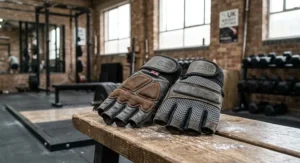
What jumps out immediately is the built-in 2-inch wrist wrap, wider than most rivals in this category, giving noticeably more surface area of support across the joint during a max-effort pull. The Grip Power Pads Elite Leather Gym Gloves are constructed from genuine leather with reinforced stitching throughout, and the palm padding is distributed to protect against calluses without creating so much bulk that bar feel disappears entirely.
What most buyers overlook about this model is how much the wrist wrap width changes the experience for lifters who’ve previously struggled with wraps rolling or twisting mid-set — a wider band simply distributes pressure more evenly. Reviewers commend the snug fit and the confidence the wraps instil during heavier sessions, and the leather palm is frequently singled out for holding up well past the point where cheaper synthetic gloves start delaminating. On the flip side, that same leather-and-padding combination means these run heavier and slightly less breathable than vented alternatives, so hot, sweaty summer sessions can feel a touch clammier.
Pros:
- ✅ Wide 2-inch wrist wrap distributes pressure evenly
- ✅ Reinforced stitching holds up to years of heavy use
- ✅ Snug leather fit builds confidence under maximal loads
Cons:
- ❌ Heavier and less breathable than vented designs
- ❌ Premium leather construction pushes price toward the top end
Priced in the £22-£30 range, these earn their premium positioning through genuine build quality rather than marketing — a fair trade-off for lifters who train heavy and often.
3. Mechanix Original Gloves — best crossover pick for gym and DIY use
The touchscreen-capable synthetic leather palm is the standout feature, letting you check your phone between sets without stripping gloves off — a small convenience that adds up over a long session. The Mechanix Original Gloves were built originally for tactical and mechanical work rather than lifting specifically, using a 0.8mm synthetic leather palm, a welded thumb panel for reinforced durability, and TrekDry mesh across the back of the hand for airflow.
Here’s what the spec sheet won’t tell you, but user reports suggest: the full-finger coverage — unusual in this category — genuinely changes the deadlift experience, protecting knuckles and fingertips that half-finger gloves leave exposed, at the cost of slightly reduced tactile feedback on the bar. Reviewers on fitness-focused retailers note these hold up to aggressive knurling on barbells and dumbbells without the seams splitting, and several describe wearing them daily across mixed training — rope climbs, pull-ups, cleans — without noticeable palm skin damage. The trade-off is the lack of any wrist support whatsoever, so lifters relying on gloves for wrist stability as well as grip will need a separate wrap.
Pros:
- ✅ Full-finger design protects knuckles, not just palms
- ✅ Machine washable and genuinely durable under mixed use
- ✅ Touchscreen-capable palm for between-set convenience
Cons:
- ❌ No wrist support built in whatsoever
- ❌ Full-finger coverage slightly reduces bar-feel precision
Sitting around £14-£20, these offer strong crossover value if you also use gloves outside the gym for DIY or manual work.
4. RDX Weight Lifting Gloves (Long Wrist Support) — best budget wrist stability
The 50cm neoprene-and-suede wrist strap is the headline feature here, dramatically longer than the stubby wraps found on most gloves at this price point. The RDX Weight Lifting Gloves pair that extra-long strap with EVA foam padding across the palm and dorsal side, giving impact resistance without sacrificing the flexibility needed to close your hand fully around the bar.
Based on the spec comparison, that 50cm strap is genuinely doing more than shorter alternatives — it wraps the wrist multiple times, spreading load across a wider band rather than concentrating pressure in one narrow strip, which matters when you’re grinding out a heavy final rep and your wrist wants to hyperextend under the load. RDX, a company registered and selling directly through Amazon UK, has built a loyal following among budget-conscious lifters, and aggregated review sentiment consistently praises the anti-slip grip surface holding steady even when palms get sweaty mid-session. The main criticism that surfaces repeatedly is the closure tab wearing out faster than the rest of the glove on models used several times weekly.
Pros:
- ✅ Extra-long 50cm wrist strap spreads load evenly
- ✅ EVA foam padding resists impact without killing bar feel
- ✅ Genuinely budget-friendly for the wrist support offered
Cons:
- ❌ Hook-and-loop closure tab wears faster than the glove body
- ❌ Suede strap needs occasional cleaning to stay grippy
At roughly £12-£18, this is arguably the strongest value pick on this list for anyone prioritising wrist stability on a tight budget.
5. Gymreapers Weight Lifting Grips — best dedicated pulling grip for heavy deadlifts
Unlike padded gloves above, the standout feature of the Gymreapers Weight Lifting Grips is deliberate minimalism — reinforced rubber grip material bonded to a slim neoprene wrist wrap, designed to maximise bar contact rather than cushion it away. For lifters specifically searching for gloves for heavy deadlifts rather than general gym gloves, this distinction matters enormously.
According to specialist powerlifting commentary, the appeal of this style is the balance between protecting hands from calluses and avoiding the bulk that can genuinely reduce grip strength on a maximal pull — thick, heavily padded gloves increase the effective diameter of the bar, which is exactly the opposite of what you want when grip is your limiting factor. Reviewers describe the rubber surface as rugged and slow to fray even after months of repeated heavy sessions, and the neoprene wrist wrap adds a meaningful stability layer that plain grip pads lack. What most buyers overlook is that this hybrid design sacrifices some of the palm-callus protection you’d get from a fully padded glove, so if your priority is skin preservation over pure performance, a leather-palmed option may suit you better.
Pros:
- ✅ Slim profile preserves bar feel on maximal pulls
- ✅ Rubber grip surface resists fraying under heavy volume
- ✅ Neoprene wrist wrap adds stability without excess bulk
Cons:
- ❌ Less palm cushioning than fully padded leather gloves
- ❌ Not ideal for lifters prioritising skin protection above all
Expect to pay in the £20-£28 range — a fair price for gear built around a single job done well.
6. Trideer Padded Weight Lifting Gloves — best entry-level budget pick
The 18-inch adjustable wrist strap punches well above the glove’s price point, offering genuine wrist support that’s usually reserved for pricier models. The Trideer Padded Weight Lifting Gloves combine full palm padding with a breathable microfibre back and hexagonal silicone grip texture across the palm, aimed squarely at gym-goers who want basic protection without a big outlay.
The spec sheet’s padding claim translates in practice to noticeably reduced palm soreness during moderate-volume sessions, though reviewers are honest that it doesn’t match the callus prevention of thicker leather designs under genuinely heavy singles. Aggregated feedback highlights the finger pull-tabs as a small but appreciated detail — getting sweaty gloves off quickly after a set is more useful than it sounds — and the mesh panelling between fingers reduces the chafing that cheaper all-leather budget gloves sometimes cause. The most common complaint centres on the silicone grip texture wearing smoother after several months of frequent washing, gradually reducing its anti-slip effectiveness.
Pros:
- ✅ 18-inch wrist strap offers support well beyond the price
- ✅ Breathable mesh reduces finger chafing versus solid leather
- ✅ Genuinely low entry price for first-time glove buyers
Cons:
- ❌ Silicone grip texture smooths out with repeated washing
- ❌ Padding thinner than leather rivals under heavy singles
At around £9-£14, this is the cheapest sensible option here — ideal for anyone testing whether gloves suit their lifting style before committing to a premium pair.
7. Fit Active Sports Weightlifting Gloves — best pick for sweaty hands and hygiene
The full-hand, silicone-printed neoprene construction is the defining feature, wrapping the entire hand and thumb rather than leaving fingers exposed like most half-finger designs. The Fit Active Sports Weightlifting Gloves are built to resist water, sweat, chemicals and general ageing, with a built-in wrist wrap providing extra support for pressing and pulling movements alike.
The practical upshot of that full neoprene coverage is that these genuinely excel for lifters whose hands sweat heavily during sessions — sweat-proof material stops the slipping that plagues leather gloves once palms get damp, which is precisely when grip failure tends to strike on a deadlift’s toughest rep. Reviewers who train in humid conditions or without air conditioning consistently note less slippage than with leather-palmed alternatives, and the sweat resistance also means the gloves smell less over time compared with porous materials that trap moisture. The compromise is reduced tactile feedback compared with thinner leather designs, since neoprene doesn’t conform to the bar’s texture in quite the same way.
Pros:
- ✅ Full neoprene coverage resists sweat-related slipping
- ✅ Built-in wrist wrap suits pulling and pressing alike
- ✅ Durable against chemicals, water and general wear
Cons:
- ❌ Reduced tactile bar feel versus thinner leather gloves
- ❌ Full-hand coverage runs warmer in hot gym environments
Priced around £14-£19, this is a smart pick specifically for anyone whose grip problems stem from sweat rather than skin protection.
Top 7 Products: Full Spec Comparison
| Product | Palm Material | Wrist Support | Finger Coverage | Best For |
|---|---|---|---|---|
| Harbinger Pro Wristwrap Gloves | Vented leather | Integrated wrap | Half-finger | Balanced support |
| Grip Power Pads Elite Leather Gym Gloves | Genuine leather | 2″ wide wrap | Half-finger | Heavy-duty durability |
| Mechanix Original Gloves | Synthetic leather | None | Full-finger | Crossover use |
| RDX Weight Lifting Gloves | EVA foam/suede | 50cm strap | Half-finger | Budget wrist support |
| Gymreapers Weight Lifting Grips | Reinforced rubber | Neoprene wrap | Grip pad, no fingers | Heavy deadlift pulling |
| Trideer Padded Weight Lifting Gloves | Padded microfibre | 18″ strap | Half-finger | Entry-level budget |
| Fit Active Sports Weightlifting Gloves | Neoprene | Built-in wrap | Full-hand | Sweaty hands |
The comparison above makes the trade-offs clearer: gloves with thicker palm padding (Grip Power Pads Elite Leather Gym Gloves, Fit Active Sports Weightlifting Gloves) generally sacrifice some bar feel for skin protection, while slimmer options like the Gymreapers Weight Lifting Grips and Mechanix Original Gloves favour direct contact over cushioning. If you’re deadlifting heavy singles where every millimetre of grip precision counts, lean toward the slimmer end; if you’re doing higher-rep accessory pulls where your palms take repeated abuse, the padded options will save your skin over a training block.
✨ Don’t Miss These Exclusive Deals!
🔍 Take your deadlift training to the next level with these carefully researched picks. Click through to check current pricing and availability before your next session — the right pair could be the difference between a clean pull and a grip-limited one!
Breaking In New Deadlift Gloves: Setup, First Use & Maintenance
New gloves rarely feel right straight out of the packaging, and treating the first few sessions as a break-in period saves frustration later. Leather-palmed models like the Harbinger Pro Wristwrap Gloves and Grip Power Pads Elite Leather Gym Gloves typically feel stiff for the first two or three sessions as the leather softens and moulds to your hand shape — resist the urge to size up just because they feel tight on day one. Wrist wraps should be snug enough to stay put during a set but not so tight that circulation feels restricted; if your fingers tingle mid-lift, loosen the wrap before your next set.
Maintenance matters more than most buyers expect. Hand-washing rather than machine-washing extends the life of both leather and neoprene models significantly, since machine agitation breaks down stitching and can warp wrist-wrap elastic over time. Air-drying flat, away from direct heat, prevents leather from cracking and stops rubber grip surfaces (as found on the Gymreapers Weight Lifting Grips) from degrading prematurely. A common mistake in the first 30 days is skipping this entirely and letting sweat dry into the material unwashed — this is what causes odour build-up and accelerated wear far more than the training itself. Rotating between two pairs, if your budget allows, also extends the working life of each pair by giving materials time to fully dry between sessions rather than being reloaded damp.
Who Actually Needs Deadlift Gloves? Three Real-World Lifter Profiles
Not everyone benefits equally from gloves, and matching the product to your specific situation avoids buying gear you’ll abandon after a fortnight.
The office-desk beginner deadlifting three times a week: if you’re new to barbell training and your hands haven’t yet developed any calluses, a budget option like the Trideer Padded Weight Lifting Gloves offers reasonable palm protection while your skin adapts, without a big outlay before you know whether deadlifting is a habit that sticks. Expect early sessions to feel like the glove is “in the way” — this settles as your grip pattern beds in.
The intermediate lifter chasing a new one-rep max: by this stage you likely have some calluses already, but heavy pull technique demands maximal bar contact precisely when grip is most likely to fail. The Gymreapers Weight Lifting Grips or a slim option like the Mechanix Original Gloves suit this profile better than heavily padded alternatives, since preserving grip strength matters more than skin protection once you’re within a few kilos of your best pull.
The high-volume hypertrophy trainee doing sets of 8-12: repeated sub-maximal reps are where padding earns its keep, since palm friction accumulates across dozens of reps per session rather than a handful of singles. The Harbinger Pro Wristwrap Gloves or Fit Active Sports Weightlifting Gloves (particularly for anyone who sweats heavily through a session) both suit this higher-volume, lower-intensity training style well.
How to Choose the Best Deadlift Gloves
Working through these seven criteria in order will get you to the right pick faster than scrolling endless product listings.
- Decide your priority: grip precision or skin protection. Thinner options preserve bar feel; padded gloves protect calluses at the cost of some tactile feedback.
- Check wrist support needs. If your wrists feel unstable under load, prioritise a long or wide integrated wrap over a plain half-finger design.
- Match finger coverage to your training style. Full-finger gloves protect knuckles but reduce dexterity; half-finger designs balance protection with feel.
- Consider sweat and hygiene factors. Heavy sweaters should lean toward neoprene or rubber surfaces over porous leather.
- Factor in training frequency. Daily lifters need genuinely durable stitching and materials; occasional gym-goers can prioritise price over longevity.
- Confirm sizing against the brand’s chart, not general assumptions. Several models in this guide run slightly generous or snug compared with standard sizing.
- Set a realistic budget band. Genuine leather and reinforced stitching push prices up for good reason — decide whether that durability justifies the extra spend for your usage level.
Deadlift Gloves vs Lifting Straps: The Grip vs Strap Debate
The grip vs strap debate comes up in nearly every deadlift-focused forum thread, and the honest answer is that they solve different problems. Gloves and barbell gloves vs lifting straps aren’t really competing products — gloves protect skin and add modest grip texture while keeping your hand fully engaged with the bar, whereas straps physically bind your wrist to the bar, removing grip as a limiting factor almost entirely. UK powerlifting brand SBD, manufactured in Sheffield, produces both, illustrating that serious strength athletes often own both categories for different purposes.
Crucially, British Powerlifting’s official guidance confirms that novice and divisional competitions allow some leniency on kit, but from national level upward equipment must appear on the IPF Approved List — and lifting straps are not permitted in any raw competition deadlift regardless of level, because grip strength is considered part of the lift itself. Gloves occupy a greyer area competitively (most federations don’t explicitly ban them, though many competitive lifters avoid them since gloves can reduce grip strength on a true one-rep max). For training, though, this restriction doesn’t apply: straps are genuinely useful for volume work — rows, shrugs, high-rep pulls — where grip fatigue would otherwise limit the target muscle’s training stimulus before it’s fully worked. Gloves, meanwhile, remain useful across nearly all training contexts since they don’t override your natural grip the way straps do. The practical takeaway: use gloves as your default hand protection, and reach for straps specifically when volume, not maximal strength, is the session’s goal.
Bar-Hand Friction and Palm Protection: What the Spec Sheet Won’t Tell You
Bar-hand friction is the actual mechanism behind both grip and calluses, and understanding it explains why some gloves work better than others for specific bars. Knurling — the diamond-cut texture on a barbell’s shaft — is designed to increase friction against bare skin, which is precisely why aggressive knurling on competition bars feels so much harsher than the smoother finish on many gym bars. Gloves change this friction relationship in two directions simultaneously: fabric or leather between your palm and the bar reduces direct abrasion (good for calluses), but it can also reduce the raw coefficient of friction compared with sweaty bare skin gripping deep knurling (potentially bad for maximal grip).
Research into hand function backs up why this matters beyond simple comfort. A large-scale study of grip strength across British adults, combining data from over 60,000 participants across twelve UK studies, found that grip strength predictably peaks in early adulthood before gradually declining — meaning grip capacity genuinely varies enormously between lifters of different ages and training histories, and gear that compensates for weaker natural grip serves a real physiological purpose, not just marketing convenience. What most buyers overlook is that palm sweat interacts with this friction equation too: a slightly damp bare palm on aggressive knurling can outperform a dry glove on smoother knurling, which is part of why chalk remains popular even among glove-wearers for that final layer of friction insurance.
Common Mistakes When Buying Deadlift Gloves
Even experienced lifters trip up on a handful of recurring errors when shopping for gloves.
Buying based on price alone, without matching padding thickness to training style, is probably the most common mistake — a heavily padded glove bought for maximal singles will actively work against grip strength, while a slim grip pad bought for high-rep hypertrophy work will leave palms raw by week three. Ignoring wrist wrap length is another frequent misstep; a short strap that unwraps after two sets defeats the purpose entirely. Skipping the sizing chart in favour of “I’m usually a medium” also causes returns more often than any other factor, since glove sizing varies significantly between brands and even between product lines from the same brand. Finally, expecting gloves to fix a genuine technique problem — such as an improper hook or mixed grip — rather than addressing the underlying issue is a mistake that no amount of premium leather will solve.
Long-Term Cost & Maintenance
A £12 pair of Trideer Padded Weight Lifting Gloves replaced every four to six months works out cheaper over a year than it initially appears, but a £25 pair of Grip Power Pads Elite Leather Gym Gloves that lasts eighteen months to two years with proper care often ends up costing less per month of use once you factor in the total cost of ownership. This is the classic budget-versus-premium calculation that applies to most gym accessories: cheaper materials wear faster under frequent heavy use, so the “value” pick genuinely depends on your training frequency. Someone deadlifting twice a week will get far more mileage per pound from a durable leather pair than someone lifting occasionally, for whom a budget option is the more sensible spend. Maintenance costs are minimal either way — hand-washing takes a few minutes and costs nothing beyond mild soap — but neglecting it shortens the lifespan of even premium gear, effectively erasing the value advantage that justified the higher upfront price.
Safety, Grip Regulations & Competition Rules
If you’re training purely for general strength and aesthetics, none of this applies — wear whatever protects your hands best. But if competition powerlifting is on your radar, it’s worth knowing the rules early rather than discovering them at a meet. As covered above, straps are banned outright in raw deadlift competition under IPF and British Powerlifting rules, and equipment generally must appear on the IPF Approved List from national level upward. Gloves sit in a more permissive space, though many competitive lifters train and compete bare-handed with chalk specifically to build the raw grip strength that translates directly to meet-day performance, since relying on gloves in training can mean an unpleasant surprise when pulling bare-handed under competition pressure for the first time.
For general gym safety, the padding in most gloves also serves a secondary purpose beyond grip: reducing direct skin contact with shared equipment. This matters more than people often assume in busy commercial gyms where barbells see dozens of sweaty hands a day.
Deadlift Gloves for Different Types of Lifters
Beginners typically benefit most from mid-range padded options like the Harbinger Pro Wristwrap Gloves, since the combination of protection and wrist support helps build confidence while technique is still developing. Intermediate and advanced lifters chasing personal records tend to gravitate toward slimmer, less padded designs — the Gymreapers Weight Lifting Grips or Mechanix Original Gloves — because preserving raw grip strength becomes more valuable than skin protection the closer you get to your genuine strength ceiling. Older lifters or those managing existing wrist issues often prioritise wrist support above all else, making the extra-long strap on the RDX Weight Lifting Gloves particularly relevant regardless of experience level. Female lifters with smaller hand circumferences should pay especially close attention to sizing charts, since several budget brands size gloves primarily around male hand dimensions by default.
Your Deadlift Grip Decision Framework
If you’re still unsure which category suits you, this simple framework should settle it. If you sweat heavily and struggle with slipping regardless of glove type, choose a neoprene full-hand design like the Fit Active Sports Weightlifting Gloves, because sweat resistance solves your specific limiting factor. If wrist stability is your main concern rather than palm protection, choose a long-strap design like the RDX Weight Lifting Gloves, because the wrap width and length directly address that need. If you’re chasing a genuine one-rep max and grip precision matters more than comfort, choose a slim hybrid grip like the Gymreapers Weight Lifting Grips, because minimal bulk preserves the most bar feel. If you want one reliable all-rounder for varied training without overthinking it, choose the Harbinger Pro Wristwrap Gloves, because the balance of support, breathability and durability suits the widest range of training styles.
What to Expect: Real-World Grip Performance
Specs on a listing page rarely translate directly into what a lift actually feels like, so here’s the honest picture. Most padded gloves add roughly 3-5mm of material between your palm and the bar — small on paper, but enough to noticeably change how the knurling feels, especially on your first few sessions with a new pair. Wrist wraps, when properly tightened, genuinely reduce the sensation of the wrist “giving” under a heavy pull, though they can’t compensate for poor bar path or rounded-back technique; they support good form, they don’t create it. Grip endurance across a session tends to improve with gloves for higher-rep work specifically, since accumulated palm friction is what typically causes grip to fail on rep eight or nine of a set, not raw strength limitation. On true maximal singles, however, the story flips — several reviewers across multiple products in this guide note feeling marginally less locked-in on their absolute heaviest pulls while gloved, reinforcing why many serious lifters keep a slim or glove-free option specifically reserved for max-effort days.
Frequently Asked Questions
❓ Do deadlift gloves actually improve your lift?
❓ Are gloves or straps better for deadlifts?
❓ What size deadlift gloves should I buy?
❓ Can you wear deadlift gloves in powerlifting competitions?
❓ How often should you replace deadlift gloves?
Conclusion
Choosing the best deadlift gloves ultimately comes down to matching material, wrist support and coverage to how you actually train, not which product has the flashiest listing photos. Budget picks like the Trideer Padded Weight Lifting Gloves genuinely earn their place for beginners still finding their footing, while dedicated pulling tools like the Gymreapers Weight Lifting Grips reward lifters chasing maximal numbers with minimal bulk between palm and bar. Somewhere in the middle, all-rounders like the Harbinger Pro Wristwrap Gloves and Grip Power Pads Elite Leather Gym Gloves cover the widest range of training styles without forcing a compromise either way.
Whichever pair you land on, remember that gloves support good technique — they don’t replace it. Pair the right grip gear with solid setup, a braced spine and a bar path that stays close to your shins, and your hands become one less thing standing between you and your next personal best.
Recommended for You
- Deadlift Gloves Under £20: 7 Best Picks for Grip in 2026
- 7 Best Women’s Gym Gloves for Small Hands in 2026
- Women’s Gym Gloves: 7 Honest Picks for 2026 (Grip Guide)
Disclaimer: This article contains affiliate links. As an Amazon Associate, I earn from qualifying purchases. If you purchase products through these links, we may earn a small commission at no additional cost to you.
✨ Found this helpful? Share it with your friends! 💬🤗
