
In This Article
There’s a particular kind of British optimism involved in packing away your winter gloves the first warm Saturday of the year, only for a cloud to roll over the M62 and turn your hands into blocks of gammon. Short finger road cycling gloves solve a smaller but nagging problem than that one: what to do with your hands once the temperature climbs past “brass monkeys” and full-finger gloves start feeling like oven mitts. A short finger road cycling glove — sometimes called a cycling mitt — covers the palm and wrist while leaving the fingers exposed from the first knuckle down, which is exactly the trade-off summer riding calls for: grip and shock absorption where you need it, airflow where you don’t need extra fabric.
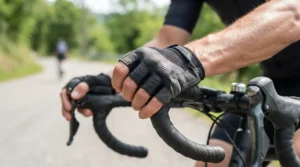
What is a short finger road cycling glove? It’s a fingerless glove built specifically for road cycling, combining a padded, grippy palm with a breathable backhand, designed to reduce road buzz and prevent slipping without trapping heat the way a full-finger glove does.
This guide covers seven real, currently available options spanning budget mitts under £20 through to premium race gear, with honest analysis of who each pair actually suits — not just a list of specs copied from a product page. As the Highway Code confirms, cycling gloves aren’t a legal requirement in the UK the way helmets aren’t either, technically, but anyone who has caught a palm on tarmac will tell you that’s a technicality worth ignoring. We’ll also dig into fingerless design, breathability claims that actually hold up, and the sun exposure risk that most riders never think about until their hands start looking older than the rest of them.
Quick Comparison Table: 7 Best Short Finger Road Cycling Gloves
| Product | Style | Padding | Best For |
|---|---|---|---|
| Altura Airstream Mitts | Budget mitt | Memory foam | Everyday riders wanting value |
| GripGrab Ride RC Max | Budget-mid mitt | Dual-density foam | Long, comfortable club rides |
| Santini Brisk Race Mitt | Race mitt | Minimal gel | Riders who want bar feel |
| dhb Aeron Short Finger Gel Gloves | Mid-range mitt | Thick gel | Rough British B-roads |
| Endura Xtract Lite Mitt | Lightweight mitt | Perforated gel | Hot-weather commuters |
| Sportful Matchy Short Finger Gloves | Italian style mitt | Light padded inserts | Style-conscious sportive riders |
| Rapha Pro Team Mitts | Premium race mitt | Minimal suede | Racing and fast group rides |
Looking at the spread above, the gap between the cheapest and most expensive short finger road cycling gloves here is roughly £30, yet the actual comfort difference is often smaller than the price tags suggest — padding thickness matters more than brand prestige once you’re two hours into a ride. Riders chasing outright bar feel for racing should lean towards the Santini Brisk Race Mitt or Rapha Pro Team Mitts, while anyone doing long, meandering weekend rides will likely get more genuine comfort from the gel-backed dhb Aeron or GripGrab Ride RC Max. Budget shouldn’t be mistaken for compromise here either — the Altura Airstream Mitts punch well above their price point on ventilation.
💬 Found a pair you like the look of already? A quick tap on any product name above takes you straight to check current pricing and availability.
Top 7 Short Finger Road Cycling Gloves: Expert Analysis
1. Altura Airstream Mitts — best budget all-rounder under £20
The Altura Airstream Mitts open this list because they represent what a lot of riders actually want: a competent, no-drama mitt that doesn’t demand a second mortgage. The strategically placed memory foam padding sits over the ulnar nerve area at the base of the palm, which is precisely where numbness tends to creep in on longer rides, and the Amara suede palm is perforated for airflow rather than being a solid slab of synthetic leather.
On the spec sheet, that gel-adjacent foam and moisture-wicking backhand fabric sound like standard fare, but in practice it means the Altura Airstream Mitts stay noticeably cooler than heavier winter-style gloves cut down for summer — the kind of detail that separates a purpose-built mitt from a repurposed one. Independent testing has noted the grip isn’t quite as assured as pricier options when things get sweaty, and the padding, while comfortable, adds a touch more bulk than out-and-out race mitts. That makes this less a race-day glove and more a dependable daily companion — ideal for commuters, sportive riders, and anyone building their first proper road kit without overspending. Aggregated retailer reviews consistently describe the fit as true to size and the finger pull tabs as a genuinely useful touch when hands are damp.
Pros:
- ✅ Memory foam eases pressure on the ulnar nerve
- ✅ Amara suede palm grips well and wears slowly
- ✅ Breathable wicking backhand keeps hands cool
Cons:
- ❌ Grip feels less assured than premium suede mitts
- ❌ Slightly bulkier than minimalist race options
At around £20, the Altura Airstream Mitts are hard to beat for anyone prioritising comfort per pound over race pedigree.

2. GripGrab Ride RC Max Padded Short Finger Summer Gloves — best value shock absorption
If your idea of a good ride involves distance rather than sprinting for a town sign, the GripGrab Ride RC Max gloves deserve a look. Building on GripGrab’s older ProGel line, the palm packs a mix of high-density and memory foam, strategically shaped rather than spread as one flat pad — meaning cushioning sits under the areas of the palm that actually bear weight on the bar, not just wherever foam was easiest to stitch in.
What that means practically is fewer pins-and-needles moments three hours into a Sunday club run, particularly for riders on rougher rural roads where vibration adds up. The recycled microsuede palm gives a soft, dexterous feel that many all-day gloves sacrifice for durability, and reflective accents on the cuff are a small but sensible nod to those rides that start earlier than the sunrise suggests they should. Reviewers describe the fit as snug without being restrictive, and the silicone-reinforced palm sections hold up well in damp British conditions. Where it loses ground to race-specific mitts is outright bar feel — the padding, while comfortable, dulls fine handlebar feedback slightly, so committed racers may find it a touch numbing for criteriums.
Pros:
- ✅ Shaped foam targets real pressure points, not just bulk
- ✅ Recycled microsuede palm feels soft yet durable
- ✅ Reflective details add low-light visibility
Cons:
- ❌ Padding reduces bar feel for aggressive riding
- ❌ Runs towards the upper end of budget pricing
Sitting in the low-to-mid £20s range, this is a genuine contender for anyone who values all-day comfort over racing sharpness.
3. Santini Brisk Race Mitt — best minimalist race feel
Made in Italy and stripped back almost to the point of looking underdressed, the Santini Brisk Race Mitt takes the opposite approach to padding-heavy gloves — and for a specific type of rider, that’s exactly the point. A mesh back offers genuinely excellent breathability, while the palm carries only a thin layer of gel beneath a grippy surface, just enough to take the edge off rough tarmac without insulating your hand from the handlebar.
Independent road testing rated the fit as close and comfortable with no tight spots, and praised the simple construction for feeling genuinely well made rather than merely minimal for minimalism’s sake. That thin gel layer is the whole philosophy of this glove: riders who obsess over feeling every contour of their bars — track racers, criterium specialists, anyone who treats gear changes and braking as precision tasks — will get on brilliantly with the Santini Brisk Race Mitt. Those doing back-to-back century rides on pockmarked B-roads may find themselves wishing for a touch more cushioning by hour four. One small quirk flagged by reviewers is a wrist pull tab that some find unnecessary and simply snip off, which tells you plenty about how considered the rest of the design is by comparison.
Pros:
- ✅ Minimal gel padding preserves genuine bar feel
- ✅ Mesh backing delivers excellent breathability
- ✅ Close, well-made fit with no pinch points
Cons:
- ❌ Thin padding may not suit very rough roads
- ❌ Wrist pull tab is a minor, easily-fixed irritation
At around £23, the Santini Brisk Race Mitt consistently punches above gloves costing considerably more.
4. dhb Aeron Short Finger Gel Gloves — best gel cushioning for rough roads
The dhb Aeron Short Finger Gel Gloves sit at the opposite end of the padding spectrum from the Santinis, aimed squarely at riders whose local roads resemble a relief map more than smooth tarmac. dhb has built a reputation on offering near-premium performance at high-street prices, and the Aeron range — long a mainstay of the brand’s Editor’s Choice-winning lineup — continues that tradition here, with a breathable mesh back that wicks sweat quickly even as the gel palm does its cushioning work underneath.
That thick gel layer genuinely dampens vibration from poor road surfaces, which matters more than most riders realise: prolonged handlebar vibration is a real contributor to hand numbness and long-term nerve irritation, not just an inconvenience. The trade-off, according to detailed independent testing, is that the same thickness limits fine bar feel compared with thinner-padded race mitts, and the Velcro cuff closure can dig in slightly on longer rides if tightened too far. Construction has also been flagged as a step behind rivals at a similar price, with some visible stitching inconsistencies. For riders who value comfort and vibration damping above outright precision — think long-distance audax riders and anyone nursing wrist sensitivity — the trade-off is worth making.
Pros:
- ✅ Thick gel padding meaningfully reduces road buzz
- ✅ Breathable mesh back wicks sweat efficiently
- ✅ Trusted brand with widely available sizing
Cons:
- ❌ Thick padding limits precise handlebar feedback
- ❌ Velcro cuff can dig in on longer rides
Priced in the mid-£20s, the dhb Aeron Short Finger Gel Gloves are a sensible pick for comfort-first riders on imperfect roads.
5. Endura Xtract Lite Mitt — lightest mitt for hot days
When the forecast finally delivers a proper heatwave, the Endura Xtract Lite Mitt is built for exactly that scenario. Endura’s Palmistry™ construction follows the natural creases of the hand rather than using a flat panel, placing perforated gel padding only where pressure genuinely concentrates — over the medial and ulnar nerve zones — and leaving everything else as thin, stretchy mesh.
The strapless cuff design is the standout decision here: rather than a Velcro tab that can dig in when your hands swell slightly in the heat, the cuff simply stretches on and off, shaving a touch of weight and bulk in the process. A silicone palm overlay adds grip without needing thick padding to do it, and the terry thumb wipe earns its keep on genuinely sweaty days. What most buyers overlook about strapless mitts like this is that fit relies entirely on the stretch of the fabric rather than an adjustable closure, so riders between sizes should size carefully rather than assuming they can cinch a looser fit tighter. It’s not the glove for rough gravel-adjacent lanes where more structured padding would help, but for pure road riding in serious heat, few short finger gloves breathe better.
Pros:
- ✅ Strapless cuff minimises bulk and heat retention
- ✅ Palmistry padding follows the hand’s natural shape
- ✅ Silicone overlay boosts grip without added bulk
Cons:
- ❌ No adjustable closure, so sizing matters more
- ❌ Thin construction offers less impact protection
Prices for the Endura Xtract Lite Mitt vary by retailer, generally landing somewhere in the £19-£27 range depending on colourway and sales.

6. Sportful Matchy Short Finger Gloves — best Italian perforated style
Sportful has spent decades dressing WorldTour teams, and the Sportful Matchy Short Finger Gloves carry that pedigree into a simpler, single-colour design built for warm-weather riding rather than podium ceremonies. The palm uses padded synthetic suede with genuine perforated sections rather than decorative holes, and a raw-cut elastic wrist cuff skips the Velcro tab entirely for a cleaner, lower-bulk finish.
What that perforated palm buys you in practice is airflow directly at the point of contact, which is where most gloves fail to deliver despite marketing claims — a mesh backhand looks breathable, but it’s the palm that actually sits against warm, sweaty skin for hours. Buyer feedback aggregated across retailers rates these consistently highly, though several reviewers note that Sportful’s Italian sizing runs differently from UK-based brands, so checking the size chart properly before ordering saves a returns headache. Colours, particularly lighter ones, have also been reported to pick up staining from other kit over time, a cosmetic quibble rather than a functional one. For sportive riders who care about matching their kit as much as their performance, this is a genuinely capable glove wrapped in a design sensibility most budget mitts don’t bother with.
Pros:
- ✅ Genuinely perforated palm improves real airflow
- ✅ Elastic cuff removes bulk of a Velcro closure
- ✅ Consistently well-rated fit and comfort
Cons:
- ❌ Italian sizing runs differently from UK norms
- ❌ Lighter colours can pick up staining over time
Expect to pay somewhere in the mid-£20s to mid-£30s range depending on colour and retailer stock.
7. Rapha Pro Team Mitts — best premium all-rounder
Closing the list at the top of the price ladder, the Rapha Pro Team Mitts are built with the kind of restraint that comes from designing for riders who will notice every seam. The AX suede palm is water-resistant, meaning grip doesn’t disappear the moment your hands start sweating or a shower rolls in, and the construction deliberately minimises seams across the back of the hand to avoid any friction points during a four-hour ride.
The detail that separates this from most gloves on this list is the pre-shaped thumb panel combined with a genuinely rolled cuff rather than a simple hem — a small manufacturing choice that removes the one spot where cheaper gloves tend to chafe on long rides. Grosgrain pull tabs at the wrist and both thumbs make getting these on and off far easier than it sounds, which matters more than you’d think when your hands are damp from a warm-up. Aggregated customer sentiment consistently praises the fit and the wet-weather grip specifically, though value-conscious buyers understandably balk at paying roughly double what a very capable budget mitt costs for what is, at its core, still a fingerless glove. For serious club racers and anyone doing structured training who wants zero distractions from their kit, that premium buys genuine peace of mind.
Pros:
- ✅ AX suede palm grips confidently wet or dry
- ✅ Minimal seams reduce friction on long rides
- ✅ Rolled cuff and pull tabs prevent chafing
Cons:
- ❌ Roughly double the price of capable budget mitts
- ❌ Initial fit runs snug for wider hands
Sitting around £50, the Rapha Pro Team Mitts are a considered investment rather than an impulse buy, best suited to riders who already know exactly what they want from a glove.
Practical Usage Guide: Sizing, Care and Getting the Most from Your Gloves
Getting genuine value from any short finger road cycling gloves starts before you even clip in. Measure your hand across the knuckles, not around the whole palm including the thumb — most brands, including Altura and Endura, size against knuckle width in centimetres, and a mitt that’s even half a size too large will bunch at the palm exactly where padding needs to sit flat. Try gloves on with your hands slightly warm if possible, since hands swell a little during exercise and a mitt that feels perfect cold can feel tight after twenty minutes of riding.
In the first thirty days, the most common mistake is over-tightening Velcro closures to compensate for a size that’s genuinely too big — this just relocates the discomfort to your wrist instead of fixing the fit. Wash gloves by hand or on a gentle 30°C cycle, turned right-side in, and resist the tumble dryer entirely; heat degrades the elastane in the backhand fabric and the adhesive bonding of gel pads far faster than air drying does. A quick rinse after every few rides, particularly for lighter colours prone to staining, keeps sweat salts from breaking down stitching prematurely. Rotating two pairs across a training week, rather than relying on one, also gives foam padding time to fully decompress between rides — genuinely padded gloves like the dhb Aeron and GripGrab Ride RC Max lose cushioning faster if ridden in daily without a rest.

Real-World Scenarios: Matching Gloves to Your Riding Style
Picture three riders heading out on the same Saturday morning. The first is commuting eight miles into town on a hybrid-turned-road-bike, budget tight after a bike service bill — for them, the Altura Airstream Mitts or GripGrab Ride RC Max offer genuine comfort without eating into the month’s kit allowance, and the wicking backhand copes fine with a stop-start urban ride.
The second is training for a 100-mile sportive on rolling countryside roads, riding four or five hours at a stretch most weekends. Vibration damping matters more than outright bar feel here, making the gel-backed dhb Aeron Short Finger Gel Gloves or the shaped foam of the GripGrab Ride RC Max the more sensible long-ride companions — numb fingers three hours from home are nobody’s idea of fun. The third rider is racing club ten-mile time trials most Wednesday evenings, where every gram and every bit of bar feedback counts; for them, the Santini Brisk Race Mitt or Rapha Pro Team Mitts reward the extra spend with genuine tactile precision when shifting under pressure. None of these choices is wrong — they simply reflect what each rider actually needs their hands to do.
How to Choose Short Finger Road Cycling Gloves
- Measure your hand properly — wrap a tape measure around your knuckles, excluding the thumb, and check it against the specific brand’s size chart rather than guessing from your regular glove size.
- Decide how much padding you actually want — thicker gel suits rough roads and long distances, while minimal padding suits racing and technical bar feel.
- Check the closure type — Velcro cuffs allow fine adjustment but can dig in, while strapless and elastic cuffs reduce bulk but rely entirely on accurate sizing.
- Look at the palm material — Amara suede and microsuede both grip well when dry; check reviews for wet-weather performance if you ride regardless of forecast.
- Consider breathability over marketing claims — genuinely perforated palms, not just mesh backhands, make the real difference to how cool your hands stay.
- Factor in colour if you ride in strong sun — pale colours reflect heat better but show staining and sunscreen transfer more readily.
- Set a realistic budget band — spending more buys refinement and marginal comfort gains, not a fundamentally different product, once you’re above roughly £20.
Fingerless Design: Why Half-Finger Wins in Summer
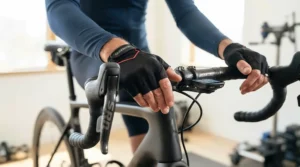
The fingerless design at the heart of every glove on this list isn’t a stripped-down compromise — it’s a deliberate engineering choice. Exposed fingertips mean better bar and brake lever feel, since even thin fabric between fingertip nerve endings and a lever dulls the fine feedback riders rely on for precise braking modulation, particularly descending. It’s also simply cooler: fingers have a high surface-area-to-volume ratio, meaning they lose and gain heat quickly, so leaving them exposed genuinely helps with overall hand temperature regulation rather than just looking breezier.
There’s a control-and-touchscreen angle too. Most fingerless mitts leave enough fingertip exposed to operate a phone or cycling computer without removing a glove entirely — a small but genuinely useful convenience mid-ride that full-finger summer gloves rarely match as cleanly. The trade-off, obviously, is reduced protection for the fingers themselves in a crash, which is why fingerless design suits road riding on relatively predictable surfaces far better than off-road disciplines where finger protection matters more. For pure tarmac riding in warm weather, though, the fingerless cut isn’t a downgrade from full-finger gloves — it’s simply the more appropriate tool for the conditions.
Breathability Explained: What Actually Keeps Your Hands Cool
Breathability gets thrown around loosely in cycling marketing, so it’s worth being specific about what actually cools a hand during a ride. Three things matter: backhand mesh density, palm perforation, and moisture-wicking fibre content. A mesh backhand alone, without a perforated palm, only cools roughly half the hand — the palm itself, pressed against a handlebar for hours, generates and traps most of the heat and sweat. That’s why gloves like the Santini Brisk Race Mitt and Sportful Matchy Short Finger Gloves, which genuinely perforate the palm rather than relying solely on a breathable back panel, tend to feel noticeably cooler in practice than their spec sheets alone would suggest.
Moisture-wicking synthetic blends, typically polyester-elastane mixes, also matter more than raw ventilation: a highly ventilated glove made from fabric that doesn’t wick will simply stay damp, which paradoxically feels warmer against skin than a slightly less ventilated but better-wicking alternative. What most buyers overlook is that thicker gel padding, however comfortable, almost always comes at the cost of breathability, since gel doesn’t ventilate the way open-cell foam or perforated mesh does — it’s part of why the thinly-padded race mitts on this list run cooler than the gel-backed comfort options, even in identical conditions.

Sun Exposure and Your Hands: Why Cyclists Get Burned
Here’s the detail most cyclists never think about: the backs of your hands are among the most consistently sun-exposed parts of your body on a ride, angled upward towards the sky for hours at a time, and short finger gloves by design leave the fingers and a strip of skin at the wrist permanently uncovered. UK health guidance is unambiguous on this point — NHS trust sun safety advice confirms that sunburn increases skin cancer risk and can happen in the UK even on cloudy days, since UV penetrates cloud cover far more readily than most people assume.
The practical fix isn’t complicated, but it does need to become habitual rather than occasional. Apply a broad-spectrum sunscreen of at least SPF 30 to the exposed fingers and the back-of-hand strip left bare by your gloves before every ride, not just on obviously sunny days, and reapply after roughly two hours or sooner if you’re sweating heavily — sweat degrades sunscreen effectiveness faster on exposed skin than on covered areas. Riders with fair skin or a family history of skin cancer should treat this as seriously as they’d treat applying sunscreen to their face and neck, since cumulative UV exposure over years of regular cycling adds up in exactly the areas a short finger glove leaves bare.
Short Finger Cycling Gloves Under £20: Are Budget Options Worth It?
There’s a persistent assumption that anything under £20 in cycling kit must be cutting corners somewhere, and with short finger gloves specifically, that assumption doesn’t hold up particularly well. The Altura Airstream Mitts, regularly available around the £20 mark and occasionally dipping below it in sales, deliver memory foam padding and a genuinely durable Amara suede palm — materials that wouldn’t look out of place on gloves costing considerably more.
What budget gloves in this bracket typically sacrifice isn’t core comfort but refinement: slightly less premium palm leather, simpler stitching finishes, and fewer of the small convenience details like grosgrain pull tabs or pre-shaped thumb panels found on £50 gloves like the Rapha Pro Team Mitts. For riders doing under, say, 5,000 miles a year on typical UK roads, that refinement gap rarely translates into a meaningfully worse riding experience day to day — the padding still cushions, the palm still grips, and the mesh still breathes. Where spending more genuinely pays off is longevity under heavy use and marginal gains in bar feel for competitive riders, rather than any fundamental difference in what the glove does for a casual or moderate-mileage rider.
✨ Ready to try a pair without overspending? Browse the budget picks above and check today’s price before they sell through.
Short Finger Road Gloves for Summer vs Long-Finger Winter Gloves
| Feature | Short Finger Summer Gloves | Long-Finger Winter Gloves |
|---|---|---|
| Finger coverage | Exposed from first knuckle | Fully covered |
| Typical temperature range | Roughly 15°C-30°C | Below 12°C, wind and rain |
| Breathability | High — mesh and perforated palms | Lower — insulated, often windproof |
| Bar and brake feel | Excellent | Reduced, especially with thick insulation |
| Best Products here | Santini Brisk Race Mitt, Endura Xtract Lite Mitt | Not covered — see dedicated winter guide |
The core difference isn’t just fabric thickness — it’s what each glove is designed to manage. Short finger road gloves for summer prioritise heat dissipation and tactile feedback, accepting reduced protection in exchange for comfort in warm conditions, while winter gloves prioritise insulation and wind resistance, accepting some loss of dexterity as a reasonable trade-off. Riders who commute year-round genuinely need both categories rather than trying to stretch one pair across British weather’s full, frankly unreasonable, range — a lesson most cyclists learn the hard way after one October ride in October gloves.
Common Mistakes When Buying Short Finger Road Cycling Gloves
The single most common error is sizing by feel in a shop rather than by measurement, since gloves that feel fine standing still often loosen or tighten noticeably once hands warm up and grip a bar for an hour. A close second is buying based on padding thickness alone, assuming more foam automatically means more comfort — as the dhb Aeron reviews show, excessive padding can actually reduce comfort by dulling bar feel and increasing bulk at the wrist.
Riders also frequently overlook closure type until it’s too late, discovering only after a long ride that a Velcro tab digs in when tightened enough to hold a slightly loose fit securely. Buying purely on brand recognition, rather than matching the glove to actual riding style, is another frequent misstep — a criterium racer buying heavily padded touring mitts, or a long-distance audax rider buying minimalist race mitts, will both end up less comfortable than if they’d matched glove type to mileage and terrain. Finally, plenty of riders skip trying gloves against a specific brand’s size chart, wrongly assuming sizing is universal — as noted with the Sportful Matchy Short Finger Gloves, Italian sizing in particular can run noticeably differently from UK-based brands. For further hands-on comparisons across a wider range of summer gloves, Cyclist’s buying guide is worth a browse before committing.
Frequently Asked Questions
❓ What are short finger road cycling gloves?
❓ Are fingerless gloves better for cycling in summer?
❓ How much should I spend on short finger cycling gloves?
❓ Do cycling gloves protect against sun exposure?
❓ How should short finger road cycling gloves fit?
Conclusion
Choosing between seven genuinely different short finger road cycling gloves comes down less to finding “the best” and more to being honest about what kind of riding you actually do. Commuters and value-conscious weekend riders will get excellent mileage from the Altura Airstream Mitts or GripGrab Ride RC Max, both of which prove that under-£25 gear doesn’t have to feel like a compromise. Riders logging serious weekend distance on rough British roads should lean towards the vibration-damping comfort of the dhb Aeron Short Finger Gel Gloves, while those chasing every ounce of bar feedback for racing will find the Santini Brisk Race Mitt and Rapha Pro Team Mitts worth their higher price tags.
Whichever pair you land on, remember that fingerless design leaves skin exposed to UV as well as to airflow — pairing any of these gloves with proper sunscreen habits matters just as much as the glove itself. Get the sizing right, match the padding to your actual mileage rather than your aspirations, and a good pair of short finger road cycling gloves should comfortably see you through several UK summers rather than one.
Recommended for You
- Waterproof Long Finger Road Cycling Gloves: 7 Best Picks (2026)
- Long Finger Road Cycling Gloves: 7 Top UK Picks for Autumn 2026
- Padded Gloves for Wrist Pain Cycling: 7 Picks That Work (2026)
Disclaimer: This article contains affiliate links. As an Amazon Associate, I earn from qualifying purchases. If you purchase products through these links, we may earn a small commission at no additional cost to you.
✨ Found this helpful? Share it with your friends! 💬🤗
