
In This Article
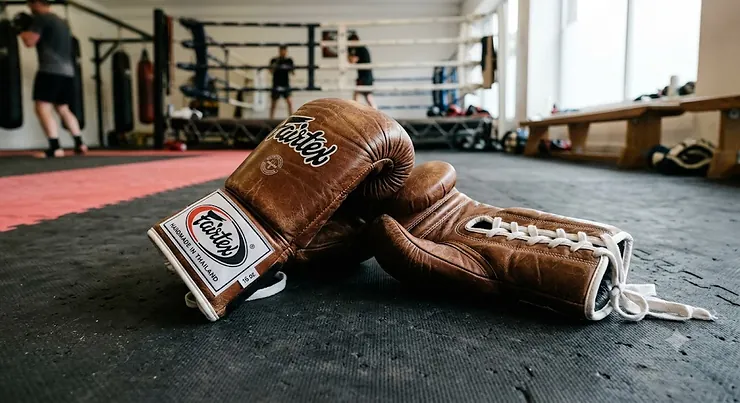
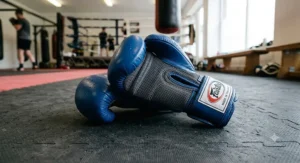
Walk into any half-decent Muay Thai gym in Britain and you’ll spot the same logo on at least half the hands in the room. Fairtex boxing gloves have been the default choice for serious pad work and bag training since long before “athleisure” was a word, and there’s a reason the brand keeps turning up on wish lists year after year. This guide breaks down seven genuine Fairtex models — from entry-level microfiber trainers to lace-up competition gear — with honest, spec-backed commentary rather than recycled marketing copy.
Fairtex boxing gloves are Thailand-made striking gloves built primarily for Muay Thai, though they cross over comfortably into Western boxing and MMA conditioning. What sets the range apart is the combination of dense, multi-layer foam padding and a construction philosophy that favours punch feedback over pillowy softness. That’s a deliberate trade-off, and it’s one we’ll unpack properly rather than gloss over.
You’ll find a full model-by-model breakdown below, alongside a proper look at how Fairtex stacks up against Twins Special, what “authentic Muay Thai gear” actually means when you’re shopping online, and the practical stuff — sizing, break-in, maintenance — that most listings simply don’t cover. As Wikipedia notes, modern Muay Thai only introduced standardised gloves and rules in the early twentieth century, which is worth remembering next time a “traditional” marketing claim looks a bit overcooked. Prices throughout are given as ranges rather than exact figures, since Amazon pricing shifts constantly — always check the current price before buying.
Quick Comparison Table
| Model | Type | Best For | Price Range |
|---|---|---|---|
| Fairtex BGV14 | Microfiber training | Budget beginners | around £50-£70 |
| Fairtex BGV1 | Leather all-rounder | Versatile Muay Thai/boxing | around £75-£100 |
| Fairtex BGV11 F-Day | Latex-core training | Extra wrist support | around £75-£105 |
| Fairtex BGV9 Heavy Hitter | Mexican-style bag glove | Boxing-focused power punchers | around £80-£110 |
| Fairtex BGV6 | Sparring specialist | Long sparring sessions | around £85-£115 |
| Fairtex BGV18 | Super sparring | Protecting training partners | around £90-£125 |
| Fairtex BGL6 | Lace-up competition | Pro-level fights | around £120-£160 |
Looking at the spread above, there’s no single “best” Fairtex glove — there’s a best glove for what you’re actually doing. Budget-conscious beginners get real value from the Fairtex BGV14 without sacrificing Fairtex’s core construction quality, while anyone stepping into regular contact sparring should be looking at the Fairtex BGV6 or Fairtex BGV18 rather than a training-first model like the Fairtex BGV9 Heavy Hitter. The Fairtex BGL6 sits apart entirely — it’s built for licensed competition, not everyday bag work, so don’t buy it expecting a forgiving all-rounder.
💬 Found a model that suits you already? Save this table and come back before you check out — glove choice matters more than most buyers assume.
What Is a Fairtex Boxing Glove?
A Fairtex boxing glove is a Thailand-manufactured Muay Thai and boxing glove built around dense, multi-layer foam padding and a compact, contoured hand compartment designed for clinch work as well as striking. Fairtex has produced combat sports equipment since the early 1970s and remains one of the most recognised names in Muay Thai gyms worldwide.
That density is the whole story with this brand. Where many Western boxing gloves prioritise a soft, forgiving strike, Fairtex leans into a firmer core that rewards clean technique and gives you honest feedback when your form slips. It’s not automatically “better” — it’s a different design philosophy, and which one suits you depends heavily on what you’re training for.
Top 7 Fairtex Boxing Gloves: Expert Analysis
1. Fairtex BGV14 — best budget entry point into genuine Fairtex quality
The Fairtex BGV14 opens the range at the affordable end, built from a premium microfibre shell rather than genuine leather. That single material choice changes the entire ownership experience: no conditioning routine, no cracking in dry weather, and a noticeably shorter break-in period than you’ll get from the brand’s leather models. The trade-off is a slightly less refined hand feel — reviewers who’ve owned both describe the interior lining as a touch looser than the Fairtex BGV1, and it’s fair to say this isn’t the glove Fairtex builds its flagship reputation on.
Specification-wise, the BGV14 uses a multi-layer impact foam core with an extended cuff and a roomier hand compartment than the classic Thai-cut models, which in practice means it accommodates thicker hand wraps more comfortably. That extended cuff is a genuine plus for wrist stability during bag rounds, though some long-term owners have reported the wrist support feeling thinner than expected once the foam has broken in properly. Based on the spec comparison with Fairtex’s leather line, this is best understood as an entry point rather than a downgrade — the padding geometry is shared with the BGV9 platform, just executed in a friendlier, lower-maintenance shell.
Who should buy it: anyone starting Muay Thai or boxing training who wants authentic Fairtex construction without committing to leather care, and anyone training in a humid climate where synthetic materials genuinely outperform hide leather. Reviewers consistently note the microfibre cleans up easily and resists the odour build-up that plagues cheaper synthetic gloves. It’s a smart first purchase, not a compromise.
Pros:
- ✅ Low-maintenance microfibre needs no conditioning or break-in ritual
- ✅ Extended cuff gives a roomier fit for thicker hand wraps
- ✅ Genuinely affordable entry into Fairtex’s padding system
Cons:
- ❌ Interior lining feels looser than Fairtex’s leather models
- ❌ Wrist support softens noticeably once the foam breaks in
At around £50-£70, the BGV14 delivers real value for a first pair — check current price and stock before ordering, as sizes sell out fast in popular colourways.
2. Fairtex BGV1 — most versatile all-rounder in the range
The Fairtex BGV1 is Fairtex’s original design and, by a wide margin, its most recognisable model — you’ll see it in nearly every Thai gym and plenty of Western ones too. The standout feature here is the short, compact Thai-style cut: the glove sits noticeably smaller than competitor gloves of the same declared weight, which sounds like a downside until you realise it’s precisely what makes clinch work and finding gaps in an opponent’s guard so much easier. Available in 10oz, 12oz, 14oz and 16oz, with both a full-leather version and a mesh-panelled “breathable” variant.
The genuine leather exterior and three-layer foam system are where the money goes. What most buyers overlook about the BGV1 is that its padding is deliberately thinner than sparring-focused Fairtex models — this isn’t a flaw, it’s the same design logic that makes the glove so good at technical pad work and bag training, where feedback matters more than cushioning. Reviewers consistently report a firm, stiff break-in period lasting one to two weeks of regular use, after which the leather softens into what most describe as one of the more comfortable gloves they’ve owned. A recurring theme in aggregated reviews is that the hand compartment runs slightly larger to the side than some other Thai brands, which suits bigger hands but can feel roomy if yours are on the smaller side.
Who it’s for: this is the safest first purchase for anyone unsure whether they’ll end up doing more boxing, more kicking-focused Muay Thai, or a mix of both, because it’s genuinely capable across all three. Based on the spec comparison with narrower training gloves, the BGV1’s lack of a rigid internal grip bar is also a talking point — some fighters miss it, but plenty find the more open palm position better suited to catching kicks and clinching.
Pros:
- ✅ Premium full-grain leather with excellent stitching and finish
- ✅ Compact Thai-style fit ideal for clinch work and technical sparring
- ✅ Genuinely versatile across boxing, Muay Thai and light MMA training
Cons:
- ❌ Noticeable stiffness during the first one to two weeks of use
- ❌ Thinner padding than dedicated sparring gloves, so less ideal for regular hard contact
Expect to pay in the mid-£70s to around £100 depending on size and colourway — the BGV1 rarely drops below that range given its flagship status.
3. Fairtex BGV11 (F-Day) — best step-up for extra wrist stabilisation
The Fairtex BGV11, part of the F-Day styling line, takes the BGV1’s basic silhouette and extends the cuff for meaningfully longer wrist support — a sensible upgrade if you’ve ever finished a heavy bag session with an ache along the wrist rather than the knuckles. Unlike the standard BGV1, the BGV11 uses a multi-layered high-impact latex foam core rather than the classic three-layer system, giving the padding a slightly different compression profile that many long-term Fairtex users describe as a bit springier underfoot — or rather, under-fist.
That longer cuff does add bulk. The hand compartment has a touch more room than the BGV1’s famously compact fit, and the overall glove reads larger on the hand once wraps are in. Here’s what to weigh: if you’ve had wrist niggles from bag work, or you’re coming back from a minor injury and want extra stabilisation without stepping down to a soft sparring glove, this trade-off makes sense. If you prioritise the tightest possible clinch fit, the standard BGV1 remains the better call.
The F-Day styling itself is largely cosmetic — a limited-run aesthetic applied to a genuinely solid construction underneath, so don’t pay a premium expecting different performance from the underlying glove. What the spec sheet won’t tell you, but long-term owners note, is that the latex foam core needs a slightly longer break-in than the BGV1’s classic foam before it stops feeling firm through the knuckle line.
Pros:
- ✅ Extended cuff provides genuinely better wrist stabilisation than the BGV1
- ✅ Latex foam core offers a springier, slightly more forgiving compression feel
- ✅ Distinctive styling for buyers who want something visually different from the standard BGV1
Cons:
- ❌ Roomier fit reduces the tight, compact clinch feel the BGV1 is known for
- ❌ Latex core requires a longer break-in period before padding softens fully
Pricing typically sits around £75-£105, putting it just above the standard BGV1 — reasonable given the added wrist protection.
4. Fairtex BGV9 (Heavy Hitter) — best for boxing-focused power punchers
The Fairtex BGV9, marketed as the “Heavy Hitter,” takes Fairtex’s construction in a different direction: a Mexican-style profile with a longer cuff and noticeably denser padding than the BGV1. This is the model Fairtex built for pure punching power rather than Thai-style clinch versatility, and it shows in every spec. Reviewers who’ve trained in both consistently describe the BGV9’s foam as harder underfoot, delivering a much crisper “pop” on heavy bags and Thai pads — exactly what boxing-first trainees want when refining power shots.
Here’s the honest trade-off most retail listings won’t spell out: that same density that makes the BGV9 brilliant for bag work makes it a genuinely poor choice for sparring. Aggregated feedback from long-term owners is remarkably consistent on this point — several describe retiring their BGV9s from partner contact specifically because the padding felt unnecessarily hard on a training partner’s face and body. If your training is 80% pads and bag work with only occasional light sparring, that’s a reasonable compromise. If you’re sparring two or three times a week, it isn’t.
Craftsmanship-wise, the BGV9 is widely regarded as a step up in leather quality from the entry-level BGV14, with tighter stitching and a leather smell that owners note is noticeably more pronounced than Fairtex’s other lines — a small but telling sign of genuine hide leather rather than a treated substitute. Based on the spec comparison with the BGV1, the BGV9’s thumb position also follows a more Mexican-boxing layout than the classic Thai thumb, which changes hand position slightly during guard work.
Pros:
- ✅ Dense padding delivers excellent feedback and “pop” on bags and pads
- ✅ Longer cuff and Mexican-style profile suit power-punching boxing training
- ✅ Superior leather craftsmanship compared with Fairtex’s entry-level models
Cons:
- ❌ Padding too firm for regular sparring, risking injury to training partners
- ❌ Longer break-in period than the BGV1 due to denser foam construction
Typical pricing runs around £80-£110 — worth every penny for dedicated bag work, but pair it with a softer sparring glove rather than relying on it alone.
5. Fairtex BGV6 — best dedicated sparring glove for wrist protection
The Fairtex BGV6 is engineered specifically around wrist stability and shock absorption for fighters who spar regularly, using a triple-layer anatomical foam system that spreads impact more evenly across the hand than either the BGV1 or BGV9. The standout feature is genuinely the wrist support: the extended, contoured cuff locks the wrist into a more neutral position on impact, which matters enormously if you’ve ever rolled a wrist mid-combination during a hard sparring round.
What most buyers overlook about sparring-specific gloves generally is that maximum protection for you often means maximum protection for your partner too — softer, thicker padding absorbs energy on both ends of the punch. The BGV6 leans into that principle. Reviewers and gym-based feedback consistently frame it as ideal for longer, higher-intensity sparring sessions rather than short technical rounds, precisely because the extra cushioning holds up better across volume.
The trade-off, unsurprisingly, is punch feedback. If you’ve trained primarily in the BGV9’s denser foam, the BGV6 will feel noticeably softer and less “sharp” on the bag — that’s by design, not a manufacturing shortfall. Based on the spec comparison across Fairtex’s range, the BGV6 essentially occupies the opposite end of the padding spectrum from the Heavy Hitter, and choosing between them should come down to how much genuine sparring you’re doing each week rather than which one “feels” more premium in the shop.
Pros:
- ✅ Triple-layer anatomical foam maximises wrist stability during sparring
- ✅ Softer padding profile protects training partners as well as your own hands
- ✅ Well suited to longer, higher-volume sparring sessions
Cons:
- ❌ Noticeably less punch feedback than firmer models like the BGV9
- ❌ Extra padding adds perceptible weight compared with training-focused gloves
Expect to pay around £85-£115 — a reasonable premium for a genuinely sparring-specific build rather than a repurposed training glove.
6. Fairtex BGV18 — best super-sparring glove for protecting your partners
The Fairtex BGV18 super sparring glove takes the protective philosophy of the BGV6 a step further, using distinctive “pillow style” padding built specifically to reduce injury risk during partner contact. Unlike most Fairtex training models, the BGV18 is only available in 14oz, 16oz and 18oz — there’s no lighter bag-focused version, because that’s simply not what this glove is for.
Construction-wise, the BGV18 combines the classic three-layer foam core used in the BGV1 with the same durable microfibre shell found on the BGV11 and BGV14, giving it low-maintenance ownership alongside genuinely serious padding volume. Here’s what to weigh: gyms that mandate a specific sparring glove for safety reasons often lean towards models exactly like this one, because the bulkier, rounder profile physically reduces the chance of a clean, damaging shot landing on an unprotected partner. Reviewers describe the fit as noticeably larger and less precise than any of Fairtex’s training gloves — again, that’s the trade-off for the added protection.
Who it’s for: gyms and individual fighters doing regular, serious sparring rounds where partner safety is the priority, not casual pad work or bag training. If your sessions are mostly solo bag rounds with the occasional light spar, the BGV6 will likely serve you better day-to-day and cost less. The BGV18 earns its keep specifically in high-frequency, high-intensity sparring environments.
Pros:
- ✅ Pillow-style padding significantly reduces injury risk to sparring partners
- ✅ Durable, low-maintenance microfibre shell needs no leather conditioning
- ✅ Purpose-built for gyms with strict sparring safety requirements
Cons:
- ❌ Only sold in heavier weights (14oz+), unsuitable for lighter bag-focused training
- ❌ Bulkier profile reduces precision and feedback compared with training gloves
Pricing generally sits around £90-£125, reflecting its position as a specialist rather than everyday glove.
7. Fairtex BGL6 — best lace-up glove for competition and advanced training
The Fairtex BGL6 is Fairtex’s professional-level lace-up competition glove, used in televised K-1, ISKA, Strike Force and WBC Muay Thai bouts, among others. This is the glove that shows up on Sky Sports and ESPN broadcasts, and the specification reflects that pedigree: a contoured, snug-fit hand compartment, a locked-thumb design to reduce eye-injury risk to opponents, and a triple-layer high-density foam core concentrated specifically over the knuckle-strike zone.
The lace-up closure is the headline difference from every other model on this list, and it’s worth being honest about what that means practically — you’ll need a second person to lace and tie the gloves properly before training or competing, which makes the BGL6 a poor everyday solo-training choice regardless of how good the padding is. In exchange, lace-up construction gives a more locked-in, custom fit than any velcro strap can match, which is precisely why competition rules favour it. Reviewers consistently describe the wrist support as excellent once properly laced, with the thick surrounding padding protecting effectively during parrying and blocking.
Fairtex sells the BGL6 in 8oz through 16oz, with 8oz and 10oz sizes aimed squarely at competition use rather than training volume. Based on the spec comparison with Fairtex’s Mexican-style BGL7 lace-up sibling, the BGL6 is generally recommended for less experienced fighters or those with a history of hand injuries, since the extra knuckle padding offers more forgiveness than the BGL7’s harder puncher’s profile. This is not a beginner’s first glove by any stretch — it’s the glove you graduate into once you’re training or competing at a genuinely serious level.
Pros:
- ✅ Used in real professional competitions (K-1, WBC Muay Thai, ISKA)
- ✅ Locked-thumb design reduces injury risk during sparring and fights
- ✅ Superior locked-in fit compared with any velcro-strap alternative
Cons:
- ❌ Requires a training partner to lace up properly — impractical for solo sessions
- ❌ Premium price puts it out of reach for casual or beginner training budgets
At around £120-£160, the BGL6 is a genuine investment — sensible for competitors and advanced trainees, overkill for anyone still building fundamentals.
Top 7 Products: Specs & Value Comparison
| Model | Material | Padding Profile | Sizes Available | Best For | Price Range |
|---|---|---|---|---|---|
| Fairtex BGV14 | Microfibre | Medium, multi-layer | 8-16oz | Beginners, budget training | £50-£70 |
| Fairtex BGV1 | Genuine leather | Thin-medium, 3-layer | 10-16oz | All-round Muay Thai/boxing | £75-£100 |
| Fairtex BGV11 F-Day | Genuine leather | Medium latex core | 10-16oz | Wrist support upgrade | £75-£105 |
| Fairtex BGV9 Heavy Hitter | Genuine leather | Dense, firm | 10-16oz | Boxing power training | £80-£110 |
| Fairtex BGV6 | Genuine leather | Soft, triple-layer | 12-16oz | Regular sparring | £85-£115 |
| Fairtex BGV18 | Microfibre | Soft, pillow-style | 14-18oz | Protecting sparring partners | £90-£125 |
| Fairtex BGL6 | Genuine leather | Dense, knuckle-focused | 8-16oz | Competition, advanced training | £120-£160 |
The value pattern here is fairly clear once you interpret it properly: you’re paying primarily for specialisation, not just materials. The Fairtex BGV14 and Fairtex BGV1 both punch well above their price for general training, while the extra cost of the Fairtex BGV18 and Fairtex BGL6 buys you a glove engineered for one job — protecting your partner or competing at a sanctioned level — rather than broad versatility. If you only ever buy one pair, the Fairtex BGV1 remains the sensible middle path.
Practical Usage Guide: Break-In, Fit & Maintenance
Getting the most out of any Fairtex glove starts before you ever throw a punch. New leather models, particularly the Fairtex BGV1 and Fairtex BGV9, arrive genuinely stiff — expect one to two weeks of regular bag or pad sessions before the leather relaxes into its proper shape. Trying to force this process with excessive heat or oil products can actually damage the hide, so resist the temptation to “speed up” break-in with anything beyond normal use and the occasional light leather conditioner designed for sports equipment.
Sizing is where most first-time buyers go wrong. Fairtex’s Thai-cut models, especially the BGV1, tend to run smaller than Western brands at the same declared ounce weight, so if you’re between sizes with thick hand wraps, sizing up is usually the safer call. A common mistake in the first 30 days is training in gloves that are technically the “right” weight for your body mass but too tight once wraps are added, which restricts proper fist formation and can contribute to knuckle discomfort.
Maintenance differs sharply between leather and microfibre models. Genuine leather gloves like the BGV1, BGV9, BGV11 and BGL6 need periodic conditioning to prevent cracking, and should always be left open to air-dry after sweaty sessions rather than stuffed straight into a bag. Microfibre models like the BGV14 and BGV18 are considerably lower maintenance — a simple wipe-down after training is usually sufficient — but they’re not indestructible, and leaving any Fairtex glove damp inside a closed gym bag overnight is the single fastest way to shorten its lifespan regardless of material.
Real-World Scenarios: Which Fairtex Glove Actually Suits You
Consider three genuinely different training profiles. First, a complete beginner attending two Muay Thai classes a week, mostly pad work with a coach and occasional light bag rounds — the Fairtex BGV14 makes obvious sense here: low cost, low maintenance, and more than enough padding for the volume involved. There’s no reason to spend £100+ before you even know if the sport suits you.
Second, an intermediate trainee doing four or five sessions weekly, including regular partner sparring alongside bag and pad work — this is where a two-glove approach genuinely pays off. The Fairtex BGV1 handles technical pad rounds and bag work brilliantly, while a dedicated Fairtex BGV6 protects both your hands and your partner’s face during the sparring-heavy sessions. Trying to make one glove do both jobs is the single most common false economy we see among intermediate fighters.
Third, an advanced amateur preparing for a sanctioned bout under England Boxing rules or an equivalent Muay Thai federation — here the Fairtex BGL6 earns its higher price tag for camp-specific training, replicating the locked-in feel of competition gloves during the weeks before a fight, even though the actual bout itself will use whatever gloves the sanctioning body provides ringside.
How to Choose Fairtex Boxing Gloves
- Identify your primary training activity first. Bag and pad work suits firmer padding like the BGV9; regular sparring demands the softer profiles of the BGV6 or BGV18.
- Match glove weight to body size and training type, not just personal preference — heavier gloves (14-16oz) suit sparring and general training, while lighter gloves (8-10oz) are reserved for competition and pad-specific drills.
- Decide between leather and microfibre honestly. Leather ages better and looks sharper long-term, but demands maintenance; microfibre is nearly maintenance-free but generally has a shorter effective lifespan under heavy daily use.
- Check the cuff length against your wrist history. If you’ve had wrist strain before, prioritise the BGV11, BGV6 or BGV18 over the shorter-cuffed BGV1.
- Consider closure type realistically. Velcro models work for solo training and quick changeovers between rounds; lace-up gloves like the BGL6 need a partner and extra time, which matters if you train alone.
- Buy one glove for the bulk of your training, not for the exception. If 90% of your sessions are pad work, don’t buy a sparring-only glove “just in case” — you’ll be training in overkill padding every single day.
- Verify current price and stock before committing, since Fairtex’s genuine leather models sell out quickly in popular colourways and sizes on Amazon.
Fairtex BGV1: What Makes Fairtex’s Flagship Model Different
It’s worth spending a moment specifically on the Fairtex BGV1, since so much of the brand’s reputation rests on this single design. What makes the BGV1 genuinely distinctive isn’t the leather quality alone — several competitor brands use comparably good hide — it’s the combination of a short, compact cuff, an unusually flat punching surface, and the deliberate absence of an internal grip bar found on many rival gloves. That absence divides opinion sharply: some fighters find themselves folding fingers rather than forming a clean fist without it, while others — particularly those training a more traditional Thai clinch style — prefer the more open palm position it allows for catching kicks.
Reviewers consistently describe the BGV1 as smaller overall than other brands at the same declared weight, which sounds like a technicality until you’re actually comparing two 16oz gloves side by side and one looks noticeably more compact. That size difference is a genuine asset in sparring, letting you find gaps in an opponent’s guard more easily than bulkier alternatives allow. If you’re deciding whether the BGV1 deserves its flagship status, the honest answer is: for versatility across boxing, Muay Thai and light MMA conditioning, very few gloves at this price point match it.
Buy Fairtex Gloves on Amazon: What to Check Before You Click
Buying Fairtex gloves through Amazon UK is straightforward, but a few checks genuinely save buyer’s remorse. First, confirm the listing specifies the exact model number (BGV1, BGV9, BGV14 and so on) rather than a generic “Fairtex Muay Thai gloves” title — third-party sellers sometimes bundle older stock or discontinued colourways under vague listings, and you want certainty about which padding profile you’re actually getting.
Second, check the seller rather than assuming Amazon itself is the vendor. Genuine Fairtex stock sold by established combat sports retailers on Amazon’s marketplace is reliable, but always check current price and read the most recent reviews specifically, since older reviews may reference a since-discontinued version of the same model number. Third, resist any listing implying a guaranteed “lowest price” through a specific link — legitimate Fairtex pricing fluctuates with stock and season, and no honest retailer can promise it’s permanently unbeatable.
Finally, pay attention to size charts rather than assuming ounce weight translates identically across sellers’ listed measurements — as covered earlier, Fairtex’s Thai-cut gloves generally run smaller than Western brands, and Amazon’s size guidance doesn’t always make that clear at a glance.
<h4>✨ Ready to Find Your Perfect Pair?</h4>
🥊 Whether you’re after the versatile Fairtex BGV1 or a dedicated sparring glove like the Fairtex BGV6, check current availability and pricing before your next gym session. The right gloves make every round count.
Fairtex vs Twins Gloves: A Detailed Comparison
No conversation about Fairtex boxing gloves is complete without addressing its biggest rival: Twins Special. Both brands are handmade in Thailand and trusted across professional and amateur circuits, but they solve the same problem in genuinely different ways, and picking between them should come down to fit and training style rather than brand loyalty.
Fairtex builds around a more compact padding core with a snugger overall fit — the glove sits closer to the hand, forms a fist faster, and gives more precise punch feedback. Twins goes the opposite direction, using rounder, more voluminous padding that absorbs more energy at the point of impact, which is exactly why many gyms recommend or even mandate Twins for regular partner sparring. Reviewers who’ve owned both consistently describe Twins as the roomier, more forgiving fit for larger hands and longer wraps, while Fairtex suits average-to-narrower hands and technical, precision-focused training.
The honest verdict: if your priority is technical feedback for pad work, bag training and clinch drills, Fairtex — particularly the BGV1 — has the edge. If your priority is protecting your hands and your partner’s face through high-volume sparring, Twins’ softer, roomier construction is arguably the safer default. Plenty of serious fighters simply own both, using each brand for the role it does best rather than picking a single “winner” between them.
Why Fairtex Is Considered a Premium Thai Brand
Fairtex has manufactured combat sports equipment since the early 1970s, and its status as a premium Thai brand rests on more than just longevity. The company’s founder built the business around a genuine, decades-long involvement in Muay Thai’s growth, sponsoring and developing fighters through its own Bangkok gym rather than simply licensing a logo onto imported goods. That grounding shows up in the products: hand-stitched construction, foam systems developed specifically for Thai-style striking and clinch work, and a consistency across the range that’s hard for newer competitor brands to match on day one.
Being a premium Thai brand also means Fairtex products carry a genuine price premium over budget alternatives, and that premium is generally justified by materials and construction rather than marketing spend alone — the leather used across the BGV1, BGV9 and BGL6 lines is consistently described in aggregated reviews as a noticeable step up from entry-level competitor gloves at similar price points. That said, “premium” doesn’t mean “best for everyone” — plenty of casual fitness boxers are genuinely better served by a lower-cost, lower-maintenance option, and there’s no shame in starting there.
What Makes Muay Thai Gear Authentic
Authentic Muay Thai gear, in practical terms, means equipment built to genuinely Thai construction standards — hand-stitched leather, foam systems designed around clinch and kick defence rather than adapted from Western boxing gloves, and manufacturing that actually takes place in Thailand rather than simply being designed there and produced elsewhere. This matters more than it might sound, because Muay Thai gloves genuinely differ from Western boxing gloves in padding distribution: Muay Thai gear needs protection across the back of the hand and sides, where kicks and blocks land, not just concentrated at the knuckle line the way pure boxing gloves are built.
When shopping online, authenticity signals worth checking include the brand’s stated country of manufacture, consistency in stitching quality across genuine reviewer photos, and — frankly — a healthy scepticism toward suspiciously low prices on listings claiming to be genuine Fairtex, Twins or similar Thai brands. Counterfeit combat sports gear is a real problem in the wider market, and buying through recognised retailers or verified Amazon sellers is the simplest protection against it.
Professional Thai Training Equipment: Beyond Gloves
Gloves are only one part of professional Thai training equipment, and the same construction philosophy Fairtex applies to its gloves extends across its wider range — Thai pads, banana bags and shin guards built around the same multi-layer foam systems and genuine leather standards. If you’re investing in a serious pair of Fairtex gloves, it’s worth budgeting for compatible hand wraps at minimum, since even the best-padded glove can’t compensate for unsupported knuckles and wrists underneath.
For anyone training seriously enough to need lace-up competition gloves like the BGL6, the wider equipment list typically expands to include groin protection, a properly fitted mouthguard and, for sparring, headgear — all standard requirements once you move from casual fitness classes toward genuine competitive preparation.
Common Mistakes When Buying Fairtex Boxing Gloves
The single most common mistake is buying based on ounce weight alone without considering padding density — a 16oz BGV9 and a 16oz BGV6 protect very differently despite identical stated weight, because density and distribution vary enormously across Fairtex’s range. A close second is ignoring hand wrap thickness when choosing size; buyers who wrap heavily and then buy Fairtex’s naturally compact-fitting BGV1 in their usual size often find it uncomfortably tight, when sizing up would have solved the problem entirely.
Another frequent error is choosing a single glove to cover every training scenario. As covered in the real-world scenarios above, using a firm bag-focused glove like the BGV9 for regular sparring genuinely increases injury risk to training partners — this isn’t a minor stylistic preference, it’s a safety-relevant mismatch between tool and task. Finally, plenty of buyers skip checking their gym or governing body’s equipment requirements before purchasing, only to discover their brand-new gloves aren’t approved for the sparring format or competition level they’re training toward.
Long-Term Cost & Maintenance
Thinking in total cost of ownership rather than sticker price changes the calculation considerably. A well-maintained leather Fairtex glove — the BGV1, BGV9 or BGL6 — can realistically last several years of regular training if conditioned periodically and never left damp inside a closed bag, which works out to genuinely competitive cost-per-session against cheaper gloves that need replacing annually. Microfibre models like the BGV14 and BGV18 have a lower upfront cost and near-zero maintenance overhead, but tend to show wear in the foam core somewhat sooner under heavy daily use, so factor a shorter realistic lifespan into any long-term budget comparison.
Owning two gloves rather than one — a training pair and a dedicated sparring pair — also tends to extend the useful life of both, since neither absorbs the full cumulative impact of every session type. It’s a larger upfront outlay but a genuinely sound long-term value decision for anyone training more than twice a week.
Benefits vs Traditional Training Alternatives
| Factor | Fairtex Boxing Gloves | Generic Budget Gloves |
|---|---|---|
| Construction | Multi-layer foam, hand-stitched | Single-layer foam, machine-stitched |
| Material options | Genuine leather or premium microfibre | Usually low-grade PU or vinyl |
| Wrist support | Contoured cuff, model-specific density | Minimal, one-size padding |
| Longevity | Years with proper care | Often under a year of regular use |
| Best For | Best For column applies per model above | General fitness, occasional use |
The comparison above makes the value case fairly plainly: generic budget gloves are a reasonable choice for someone boxing purely for fitness once a week, but anyone training with any regularity or intensity will likely spend more over two or three years replacing budget gloves than they would on a single well-maintained Fairtex pair. The Fairtex BGV14 specifically closes that price gap almost entirely, making it hard to justify a genuinely generic alternative once you factor in Fairtex’s construction standards.
🔥 Don’t Miss These Exclusive Deals!
🔍 Take your training to the next level with a Fairtex glove matched properly to how you actually train. Click through to check current pricing and availability, and make sure your next sparring session starts with the right protection on your hands.
Safety, Regulations & Compliance Guide
If you’re training toward any kind of sanctioned competition in the UK, glove regulations matter more than personal preference. According to England Boxing’s current rule book, boxers weighing 65kg or under must use 10oz competition gloves, while boxers over 65kg use 12oz — and crucially, competitors don’t supply their own gloves for sanctioned amateur bouts, since organisers provide identical, approved pairs ringside. Training gloves like every model covered in this guide are for preparation, not the bout itself, so don’t assume your BGL6 will be the pair you actually fight in.
Hand and wrist injuries remain among the most common issues in striking sports at every level. A peer-reviewed overview of hand and wrist injuries in elite boxing notes that fracture patterns and injury distribution shift considerably as fighters progress from beginner to professional level, partly because more experienced fighters train and compete with less padding and protective equipment relative to the forces involved. Choosing gloves matched to your actual training intensity — rather than whatever looks toughest — is a genuinely meaningful part of managing that risk over a training career.
If you do develop wrist pain despite sensible glove choices and proper wrapping, the NHS guidance on wrist pain is a sensible first port of call, recommending rest, ice and activity modification for mild symptoms while flagging when a GP or urgent care assessment is genuinely needed. No glove, however well built, replaces proper technique, appropriate rest between hard sessions, and getting persistent pain checked rather than training through it.
Frequently Asked Questions
❓ Are Fairtex boxing gloves good for beginners?
❓ What size Fairtex gloves should I buy?
❓ Can you use Fairtex gloves for sparring?
❓ Is Fairtex better than Twins for Muay Thai?
❓ How long do Fairtex boxing gloves last?
Conclusion
Fairtex boxing gloves earn their reputation through consistency rather than gimmicks — the same multi-layer foam philosophy and genuine Thai construction runs through everything from the budget-friendly Fairtex BGV14 right up to the competition-grade Fairtex BGL6. The real skill in choosing well isn’t finding the “best” Fairtex glove in the abstract; it’s matching padding density, cuff length and closure type honestly to how you actually train, week to week.
If you’re just starting out, the Fairtex BGV1 remains the safest, most versatile first purchase, while dedicated sparring hours are far better served by the Fairtex BGV6 or Fairtex BGV18 than by repurposing a bag-focused glove out of convenience. Whichever model fits your training, buy from a reputable seller, check the current price rather than assuming an exact figure quoted anywhere online, and give the leather models the break-in time they genuinely need before judging them on comfort.
🥊 Ready to Gear Up Properly?
🔥 Check current pricing and availability on your chosen Fairtex model before your next session — the right gloves, matched honestly to your training, make every round count. Train smart, protect your hands, and enjoy the process.
Recommended for You
- Muay Thai Gloves for Beginners: 7 Best Picks for 2026
- Muay Thai Gloves vs Boxing Gloves: 7 Top Picks for 2026
- Muay Thai Gloves: 7 Best Picks & Costly Mistakes to Avoid (2026)
Disclaimer: This article contains affiliate links. As an Amazon Associate, I earn from qualifying purchases. If you purchase products through these links, we may earn a small commission at no additional cost to you.
✨ Found this helpful? Share it with your friends! 💬🤗
