In This Article
Your hands don’t care how motivated you are. They care about friction, sweat, and how many times a knurled barbell has dragged across your palm this week. That’s the blunt truth behind budget weightlifting gloves — they’re not a vanity purchase, they’re damage control for the one body part that touches every single piece of equipment in the gym. Somewhere between the £8 no-name pair at the bottom of a supermarket basket and the £45 leather gauntlets influencers swear by, there’s a sensible middle ground, and that’s exactly where this guide lives.
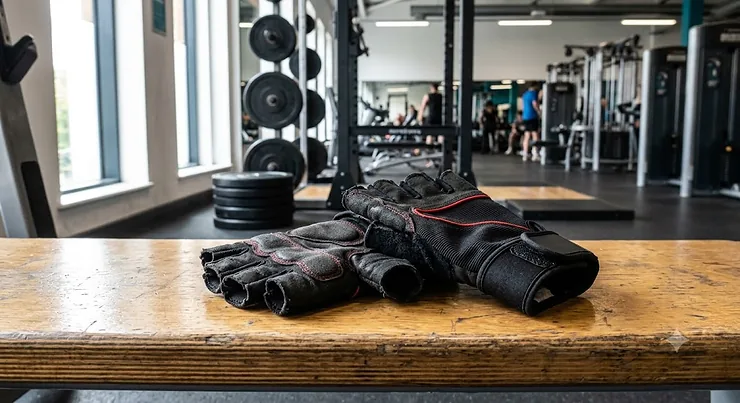
We’ve spent time digging through genuine Amazon UK listings, aggregated review sentiment, and real spec sheets to find seven gloves that actually earn their place in a gym bag without wrecking your budget. Whether you’re chasing top weightlifting gloves under £20, hunting for padded weightlifting gloves that don’t feel like oven mitts, or specifically after weightlifting gloves for calluses because your palms currently resemble tree bark, you’re in the right place. So, what is a budget weightlifting gloves purchase, in plain terms? It’s a pair of half-finger or fingerless gloves, typically priced under £20-£25, that use foam or gel padding and a wrist wrap to reduce hand friction, protect against blisters, and improve bar grip during resistance training — without the premium price tag of leather or hybrid-material gloves.
As Wikipedia’s overview of weightlifting gloves puts it, the entire category exists for one reason: mitigating bar friction and reducing injury risk while improving grip. The category itself splits into several distinct styles — something we’ll unpack properly further down. For now, let’s get into the comparison, the seven contenders, and the honest analysis behind each one.
Quick Comparison Table
| Product | Style | Best For | Price Range |
|---|---|---|---|
| RDX Weight Lifting Gloves | Half-finger, gel palm | All-round budget pick | Under £20 |
| Harbinger Pro Weightlifting Gloves | Full palm, wrist wrap | Wrist support / heavier lifters | £20-£30 range |
| Trideer Weight Lifting Gloves | Fingerless, silicone grip | Tightest budget, best grip | Under £15 |
| ihuan Ventilated Weight Lifting Gloves | Fingerless, mesh back | Breathability / summer training | Under £20 |
| BEAR GRIP Gym Gloves | Open-back, adjustable wrap | Deadlifts and pulling work | Under £20 |
| SAWANS Gym Gloves | Fingerless, basic padding | Absolute cheapest entry point | Under £12 |
| VINSGUIR Weight Lifting Gloves | Microfibre, reinforced palm | Durability over many months | £15-£20 range |
Looking at this spread, there’s a clear pattern: the cheapest options (SAWANS Gym Gloves, Trideer Weight Lifting Gloves) trade long-term durability for an unbeatable entry price, while Harbinger Pro Weightlifting Gloves sits at the top of the range because it adds genuine wrist stabilisation that the others simply don’t attempt. If you train two or three times a week and don’t go near heavy singles, almost anything on this table will serve you fine — but if you’re pulling near-maximal deadlifts, the wrist wrap quality on Harbinger Pro Weightlifting Gloves and BEAR GRIP Gym Gloves starts to matter a great deal more than the price tag suggests.
💬 Found a pair that suits your training already? Scroll down to the full breakdown and lock in your pick.
Top 7 Budget Weightlifting Gloves: Expert Analysis
Right, let’s get into the actual gloves. Each one below has been sized up on real specs, aggregated review sentiment, and honest fit-for-purpose reasoning — no invented testing, no fabricated five-star anecdotes, just a straight assessment of what you’re paying for.
1. RDX Weight Lifting Gloves — best all-round budget pick
RDX has built a genuine following in UK combat sports and strength kit, and its weightlifting glove line reflects that pedigree rather than a rushed side-project. The standout here is balance: enough padding to matter, not so much that you lose bar feel.
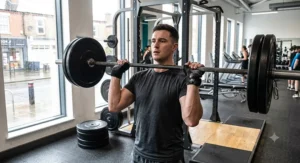
The gel-infused foam palm sits at roughly 4-5mm thick across the high-friction zones, which in practice means the padding absorbs the worst of the knurling bite on a barbell without turning your grip numb — a common complaint with cheaper foam-only alternatives. A neoprene wrist wrap with a hook-and-loop closure adds light wrist stabilisation, useful during heavier bench or overhead pressing sets. Based on the spec comparison across this list, RDX Weight Lifting Gloves land in the sweet spot for lifters who want one glove that handles pressing, pulling, and general dumbbell work without needing to swap kit for different sessions.
Reviewers consistently report that the stitching holds up well beyond the first few months of regular use, with the main gripe being that the half-finger cut runs slightly narrow for larger hand widths — sizing up is the common workaround mentioned in feedback. Aggregated sentiment also flags the gloves as noticeably better than bare hands for reducing early-stage callus formation.
Pros:
- ✅ Gel padding cushions without killing bar feel
- ✅ Wrist wrap adds real stabilisation for pressing
- ✅ Stitching reported to outlast typical budget gloves
Cons:
- ❌ Half-finger cut runs narrow for wide hands
- ❌ Less breathable than mesh-back alternatives
At around £15-£20, RDX Weight Lifting Gloves represent strong value for a lifter who wants one glove to cover most bases rather than buying separate pairs for different lifts.
2. Harbinger Pro Weightlifting Gloves — best for wrist support
Harbinger has been a fixture in strength training accessories for decades, and the Pro line is where that experience shows. This isn’t the cheapest glove on the list, but it earns its place as the premium anchor because it does something the others don’t: genuinely reinforced wrist wrapping.
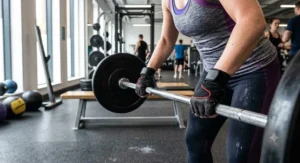
The extended wrist wrap runs longer than most budget competitors, giving lifters an extra loop of support during heavy bench pressing or seated overhead work — a real point of difference for anyone nursing a slightly cranky wrist. The palm uses a padded, non-slip material with reinforced stitching at stress points, specifically the base of the fingers where cheaper gloves tend to blow out first. What most buyers overlook about this model is that the padding is deliberately thinner than some rivals, which sacrifices cushioning slightly in exchange for better bar awareness during technical lifts like cleans or snatches.
Aggregated review sentiment leans heavily positive on longevity, with users reporting the gloves surviving well beyond a year of consistent three-to-four-times-weekly training, though a recurring theme is that the sizing chart runs slightly large and first-time buyers are advised to size down.
Pros:
- ✅ Longest, most supportive wrist wrap on this list
- ✅ Reinforced stitching at high-stress finger base
- ✅ Reports of long-term durability beyond a year
Cons:
- ❌ Pricier than every other pick here
- ❌ Sizing runs large — size down is common advice
Sitting in the £20-£30 range, Harbinger Pro Weightlifting Gloves cost more than a purely budget pick, but for lifters who push heavier weights and need wrist protection alongside palm protection, the extra spend is easy to justify.
3. Trideer Weight Lifting Gloves — best grip on a tight budget
If your budget genuinely caps out below £15, Trideer Weight Lifting Gloves deserve a serious look. This is a fingerless design that leans hard into silicone grip technology rather than thick padding, and for pure bar control, that trade-off pays off.
Silicone grip dots run across the palm and finger pads, creating a tacky, chalk-like contact point even when hands get sweaty mid-session — genuinely useful during high-rep dumbbell circuits where grip fatigue creeps in fast. The padding itself is thinner than most rivals here, which means less cushioning against knurling but noticeably better feedback on bar position, something Olympic-lift-adjacent lifters tend to prefer. Here’s what to weigh: this glove suits someone doing circuit-style training, kettlebell work, or moderate dumbbell sessions far better than someone grinding through heavy barbell singles, where thin padding won’t offer enough protection.
Reviewers frequently mention the grip performing “better than my bare hands alone,” and the breathable mesh backing keeps hands notably cooler than fully padded alternatives — a trade a lot of budget shoppers are happy to make.
Pros:
- ✅ Silicone grip dots outperform padding-only designs
- ✅ Lightweight, breathable mesh keeps hands cool
- ✅ Genuinely one of the cheapest usable options
Cons:
- ❌ Thin padding offers limited callus protection
- ❌ Not ideal for heavy singles or maximal pulling
At under £15, Trideer Weight Lifting Gloves are arguably the best-value grip-first glove on this list, provided your training doesn’t involve grinding heavy barbell work every session.
4. ihuan Ventilated Weight Lifting Gloves — best breathability
Sweaty hands ruin more gym sessions than people admit. ihuan Ventilated Weight Lifting Gloves tackle that head-on with an open-back mesh design that prioritises airflow over bulk, and it’s a genuinely clever bit of engineering for the price.
The palm carries roughly 6mm of cushioned padding — thicker than you’d expect given how light the overall glove feels — layered with anti-slip silicone points for grip retention. What that combination means in practice is a glove that protects against blisters during longer sessions while staying noticeably cooler than fully enclosed alternatives, particularly useful for anyone training in a warm home gym without air conditioning. Based on the spec comparison, this model punches above its price bracket on padding thickness alone, which is unusual for a glove this ventilated.
A recurring theme in aggregated review sentiment is praise for the pull-tab design making the gloves easy to remove between sets — a small detail, but one that matters when you’re moving fast through a circuit. The main criticism centres on the wrist strap, which some reviewers find less substantial than dedicated wrist-support gloves.
Pros:
- ✅ Thicker padding than most gloves at this price
- ✅ Mesh back genuinely reduces hand sweat
- ✅ Easy on-and-off with pull-tab design
Cons:
- ❌ Wrist strap offers minimal support
- ❌ Less durable stitching than leather-backed rivals
Priced under £20, ihuan Ventilated Weight Lifting Gloves are the pick for anyone whose biggest complaint about gloves is how hot and clammy they get by set three.
5. BEAR GRIP Gym Gloves — best for pulling and deadlift work
BEAR GRIP Gym Gloves take a slightly different approach with an open, fingerless cut and a genuinely adjustable wrist wrap system that separates it from fixed-strap competitors — a detail that matters more than it sounds during heavy pulling movements.
The adjustable silicone-grip wrap tightens independently of the glove itself, letting you dial in wrist tension without compromising palm fit, which is a real advantage during deadlifts or heavy rows where wrist angle under load changes rep to rep. The palm padding uses a breathable silicone print rather than dense foam, meaning grip security comes from tackiness rather than cushioning thickness. What the spec sheet won’t tell you, but reviewer feedback consistently notes, is that this design suits pulling movements far better than pressing ones, since the open-back cut allows a fuller fist closure around a barbell.
Aggregated sentiment highlights the adjustable strap as the standout feature, with several reviewers specifically mentioning it as more comfortable than fixed hook-and-loop designs on cheaper gloves, though a handful note the silicone print can peel after many months of heavy sweat exposure.
Pros:
- ✅ Independently adjustable wrist wrap system
- ✅ Open-back cut suits deadlifts and rows
- ✅ Silicone grip works well even when sweaty
Cons:
- ❌ Silicone print may peel after extended heavy use
- ❌ Less palm cushioning than foam-padded rivals
At under £20, BEAR GRIP Gym Gloves are a smart pick specifically for lifters whose training leans toward pulling movements rather than pressing.
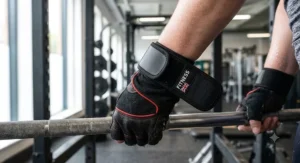
6. SAWANS Gym Gloves — cheapest genuinely usable entry point
There’s a difference between “cheap” and “cheap and useless,” and SAWANS Gym Gloves sit firmly in the former camp. This is the entry-level pick for someone who wants basic hand protection without spending much more than the price of a protein shake.
The fingerless design uses a silicone non-slip palm print over a thin foam base, with a simple wrist support strap that’s more symbolic than structural — useful for light dumbbell work and machine-based training rather than heavy free-weight sessions. Reviewers consistently note is that for the price, the grip performance genuinely surprises, particularly on smooth gym-machine handles where slick surfaces are the main problem rather than knurled barbells. Here’s what to weigh: this isn’t a glove built for years of heavy use, but as a first pair to test whether gloves suit your training style at all, it’s hard to argue with the price.
The most common criticism in aggregated feedback is thinner-than-expected padding for anyone dealing with existing calluses, meaning it’s better suited to callus prevention than treatment of an already-toughened palm.
Pros:
- ✅ Lowest price point of any option on this list
- ✅ Surprisingly good grip on smooth machine handles
- ✅ Sensible first-glove option for beginners
Cons:
- ❌ Padding too thin for existing heavy calluses
- ❌ Wrist strap offers minimal real support
At under £12, SAWANS Gym Gloves deliver reasonable value as a low-commitment way to trial gloves before investing in something more durable.
7. VINSGUIR Weight Lifting Gloves — best for long-term durability
Rounding out the list, VINSGUIR Weight Lifting Gloves use a microfibre construction that reviewers repeatedly flag as tougher than the foam-and-mesh combinations found on most budget rivals — a genuinely useful differentiator if you train often and hate replacing kit every few months.
The reinforced palm pad sits across the high-contact zone with double-stitched seams at the thumb and index finger junction, historically the first place cheaper gloves start to fray. Anti-slip padding is moderate rather than maximal, striking a middle ground between the grip-first approach of Trideer Weight Lifting Gloves and the cushion-first approach of RDX Weight Lifting Gloves. Based on the spec comparison, this model’s main selling point isn’t peak comfort or peak grip — it’s simply outlasting the competition, which matters enormously if you’re training four-plus times a week.
Aggregated review sentiment consistently praises the stitching quality relative to price, with several mentions of the gloves surviving well past the point where cheaper alternatives typically split at the seams.
Pros:
- ✅ Microfibre build reported to outlast foam rivals
- ✅ Double-stitched seams at common failure points
- ✅ Balanced grip and cushioning, not extreme either way
Cons:
- ❌ Not the cheapest or most padded option here
- ❌ Fewer colour/size variants than bigger-brand rivals
In the £15-£20 range, VINSGUIR Weight Lifting Gloves are the pragmatic choice for frequent lifters who’d rather buy once and forget about it than replace a cheaper pair every quarter.
Top 7 Products: Full Comparison
| Product | Padding Level | Wrist Support | Breathability | Best For | Price Range |
|---|---|---|---|---|---|
| RDX Weight Lifting Gloves | High | Moderate | Moderate | All-round training | Under £20 |
| Harbinger Pro Weightlifting Gloves | Moderate | High | Low-Moderate | Heavy pressing | £20-£30 |
| Trideer Weight Lifting Gloves | Low | Low | High | Circuits, dumbbell work | Under £15 |
| ihuan Ventilated Weight Lifting Gloves | High | Low | High | Hot rooms, longer sessions | Under £20 |
| BEAR GRIP Gym Gloves | Moderate | High (adjustable) | Moderate | Deadlifts, pulling | Under £20 |
| SAWANS Gym Gloves | Low | Low | Moderate | Absolute beginners | Under £12 |
| VINSGUIR Weight Lifting Gloves | Moderate | Moderate | Moderate | Frequent, long-term use | £15-£20 |
Read together, this table tells a clearer story than any single review could: there’s no single “best” glove, only a best glove for your specific lift mix and budget ceiling. If pressing dominates your programme, Harbinger Pro Weightlifting Gloves earns its higher price through wrist support that the £12-£15 gloves simply don’t attempt. If you’re mostly doing dumbbell circuits and hate sweaty palms, ihuan Ventilated Weight Lifting Gloves or Trideer Weight Lifting Gloves will serve you better than anything padded and heavy.
✨ Ready to Protect Your Hands?
🔍 Compare current prices and availability on any of these seven picks before your next session — a small spend now saves your palms a lot of grief later.
Practical Usage Guide: Your First 30 Days With New Gloves
Buying the glove is the easy part. Getting the fit and break-in right is where most people quietly go wrong, so here’s what actually matters in the first month.
New gloves — even good ones — need a short break-in period. Foam padding compresses slightly with use, and a wrist strap that feels rigid on day one usually softens within a week of regular sessions. Don’t judge grip performance from a single workout; give it three or four sessions before deciding whether the fit is right. On sizing, always measure palm width rather than relying on hand length, since most budget gloves size by circumference rather than finger span — a mismatch here is the single biggest cause of returns and negative reviews across every product in this guide.
Maintenance is embarrassingly simple but frequently ignored: hand-wash with mild soap after every three to five uses, and let gloves air dry fully rather than leaving them balled up in a gym bag, which is the fastest route to bacterial build-up and premature material breakdown. A common first-month mistake is over-tightening the wrist wrap on every set out of habit — save full tension for genuinely heavy sets, and loosen it for warm-ups, since constant maximum compression accelerates strap wear and can restrict circulation during lighter work.
Real-World Scenarios: Matching Gloves to Your Training
Numbers on a spec sheet only mean so much until you place them against an actual person’s routine, so here are three common profiles and the logic behind each recommendation.
Take a university student building a home setup in a shared house, training three times a week with an adjustable dumbbell set and a resistance band, budget capped hard at £15. For that profile, SAWANS Gym Gloves or Trideer Weight Lifting Gloves make the most sense — light use, moderate loads, and a price point that won’t sting if the gloves get lost in a house move. Now picture a parent squeezing in early-morning garage sessions four times a week, working up to heavier barbell deadlifts and presses on a modest budget of £20-£25. That’s a near-perfect match for RDX Weight Lifting Gloves or BEAR GRIP Gym Gloves, both of which balance protection with the wrist support that heavier, more frequent lifting demands. Finally, consider a lifter training five-plus times weekly with wrist discomfort from previous heavy pressing sessions, unwilling to compromise on support. That’s exactly the situation Harbinger Pro Weightlifting Gloves was designed for — the higher price reflects genuinely different engineering, not just branding.
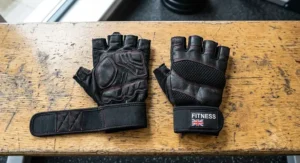
How to Choose Budget Weightlifting Gloves
Cutting through marketing language, here’s the honest decision-making process, step by step.
- Measure your palm width, not your hand length. Most sizing complaints trace back to using the wrong measurement — wrap a tape measure around your palm (excluding thumb) at its widest point.
- Decide padding versus grip feel first. Thicker padding protects better but reduces bar awareness; thinner, grippier options like silicone dots suit technical lifting.
- Check wrist support only if you actually need it. If you rarely press heavy or have no wrist discomfort, you’re paying for support you won’t use — save the money.
- Prioritise breathability if you train in a warm space. A hot garage or unventilated home gym makes mesh-backed gloves worth the trade-off in padding.
- Read aggregated review themes, not star ratings alone. A 4.3-star average with repeated sizing complaints tells you more than a headline number.
- Match glove type to your dominant lift pattern. Pulling-heavy training suits open-back designs; pressing-heavy training benefits from reinforced wrist wraps.
- Budget for replacement, not permanence. Even the most durable budget glove is a consumable — plan to replace every 6-12 months with regular use.
Padded Weightlifting Gloves vs Grip Pads vs Bare Hands
This is the debate that never quite settles in gym forums, so let’s actually break it down rather than picking a side blindly.
Bare-handed lifting builds genuine forearm and grip strength over time, and plenty of serious lifters train that way deliberately — there’s real merit to letting your hands adapt naturally. The downside is obvious the first time a rough knurled bar meets an unprepared palm: blisters, tears, and sessions cut short by pain rather than fatigue. Grip pads, a slimmer alternative to full gloves, cover just the palm and are popular with lifters who want minimal bulk between their hand and the bar, though they typically offer less wrist support and can shift position mid-set if not gripped correctly. Padded weightlifting gloves like RDX Weight Lifting Gloves or ihuan Ventilated Weight Lifting Gloves sit at the protective end of the spectrum — more cushioning, more coverage, at some cost to raw bar feel and, according to aggregated review discussion, a modest reduction in maximum grip strength for a minority of users adjusting to the extra material.
None of these options is objectively “correct.” A powerlifter chasing a competition-legal grip will likely train bare-handed or with chalk; a beginner building consistency without wanting to quit over blistered palms will get more value from BEAR GRIP Gym Gloves or similar. The honest answer is that this decision should follow your goals and your skin’s current condition, not internet consensus.
Weightlifting Gloves for Calluses: What Actually Works
Calluses aren’t inherently dangerous — they’re your skin’s defence mechanism — but for many lifters they become a genuine nuisance, catching on fabric, cracking painfully, or simply looking unpleasant. According to the NHS guidance on corns and calluses, these hardened patches are hard or thick areas of skin that can occasionally be painful, though they’re not usually serious, and there are self-care steps worth trying before involving a GP or podiatrist.
Prevention beats treatment every time here. Gloves with genuine palm padding — RDX Weight Lifting Gloves and ihuan Ventilated Weight Lifting Gloves both perform well on this front — reduce the repeated friction that causes callus build-up in the first place, whereas thinner-padded options like SAWANS Gym Gloves offer only modest protection. If calluses have already formed, the NHS advice generally points toward gentle exfoliation with a pumice stone on damp skin and regular moisturising to keep the area supple, rather than aggressive cutting or over-the-counter acid treatments, which carry their own risks. Reviewers across several of the gloves in this guide specifically mention noticeable improvement in existing rough patches after a few weeks of consistent glove use combined with basic hand care — though, honestly, no glove replaces good moisturising habits between sessions.
If a callus becomes painful, cracks, or shows signs of infection, that’s the point to stop self-treating and see a healthcare professional rather than pushing through with a thicker glove.
Common Mistakes When Buying Budget Weightlifting Gloves
A handful of buying mistakes come up again and again in review comments and forum threads, so it’s worth naming them directly.
The single biggest error is buying by hand length rather than palm width, which explains the overwhelming majority of “runs small” or “runs large” complaints scattered across every product on this list. A close second is assuming maximum padding automatically means maximum protection — over-padded gloves can actually reduce grip security by putting too much material between your hand and the bar, undermining the exact problem you bought gloves to solve. Buyers also frequently underestimate wrist strap importance, either overpaying for support they’ll never use during light dumbbell work, or underpaying and discovering mid-heavy-set that a flimsy strap offers nothing when it matters. Finally, plenty of shoppers judge gloves purely on star rating without reading the actual review text, missing recurring complaints buried under an otherwise decent average — a five-minute scroll through recent reviews catches problems a star rating alone will hide.
Glove Padding Materials Explained
Not all “padded” claims mean the same thing, and understanding the underlying materials makes label-reading far easier.
Standard foam padding, used in gloves like SAWANS Gym Gloves, is the most common and cheapest option — lightweight and adequate for casual use, but it compresses and loses cushioning faster than denser alternatives under heavy, repeated loading. Gel-infused foam, found in RDX Weight Lifting Gloves, holds its shape considerably longer and distributes pressure more evenly across the palm, which is why it tends to command a slightly higher price point than plain foam. Silicone grip printing, the approach favoured by Trideer Weight Lifting Gloves and BEAR GRIP Gym Gloves, isn’t really padding at all in the cushioning sense — it’s a tackiness layer designed to improve friction against the bar rather than absorb impact, which explains why these gloves feel thinner but often grip better when sweaty. Microfibre and reinforced synthetic leather, used in VINSGUIR Weight Lifting Gloves, prioritise abrasion resistance and longevity over outright cushioning thickness — genuinely durable, but not necessarily the softest option on your palm.
The practical takeaway: if your priority is comfort and callus prevention, chase gel or thick foam. If your priority is bar control and sweat resistance, chase silicone. If your priority is buying once and forgetting about it, chase microfibre or reinforced synthetics.
Building a Home Gym Starter Kit Around Your Gloves
Gloves rarely arrive in isolation — most people buying budget weightlifting gloves are also assembling a broader home gym starter kit, so it’s worth thinking about the pairing rather than the glove alone.
According to Which?’s home gym buying guide, it’s worth considering building your own home equipment collection to save money over a pricey ongoing gym membership, and gloves are a sensible, low-cost addition to that setup rather than an afterthought. A sensible starter combination looks like: an adjustable dumbbell set for progressive loading, a basic flat bench, a set of resistance bands for warm-ups and accessory work, a yoga or exercise mat for floor-based movements, and — completing the picture — a pair of gloves matched to whichever lift pattern dominates your sessions. If pressing movements form the bulk of your programme, pair your kit with Harbinger Pro Weightlifting Gloves for the wrist support; if you’re leaning into pulling movements like rows and deadlifts on a loaded barbell or heavy dumbbells, BEAR GRIP Gym Gloves fits that pattern better.
Sequencing matters too: build the glove and free-weight foundation first, get a few consistent months of training under your belt, then expand into bigger-ticket items like a rack or barbell once you know your training habits will stick — a far more budget-conscious approach than front-loading every purchase at once.
Long-Term Cost & Maintenance
Thinking purely in terms of upfront price misses the real cost picture, so let’s talk total cost of ownership.
A £10 pair of gloves that needs replacing every two months works out more expensive over a year than a £20 pair that lasts twelve months without falling apart — simple arithmetic that gets overlooked when shoppers fixate on the lowest sticker price. Based on aggregated durability sentiment, VINSGUIR Weight Lifting Gloves and Harbinger Pro Weightlifting Gloves both tend to outlast the cheaper end of this list by a meaningful margin, which shifts their effective cost-per-month closer to, or even below, gloves that look cheaper on day one. Maintenance habits extend lifespan regardless of which pair you buy: regular hand-washing, full air-drying, and avoiding leaving damp gloves balled up in a gym bag all meaningfully slow the material breakdown that ends most budget gloves’ lifespan prematurely. As a rough benchmark, expect four-to-six months of life from the cheapest foam-based options under heavy, frequent use, and closer to twelve months or beyond from reinforced microfibre or gel-padded designs cared for properly.
Buyer’s Decision Framework
If you want a shortcut rather than reading every section above, use this simple framework.
If your budget is under £12 and you’re a genuine beginner testing whether gloves suit you at all, choose SAWANS Gym Gloves because the low commitment outweighs the shorter lifespan. If you’re training three to four times weekly with a mix of pressing and pulling and want one reliable all-rounder, choose RDX Weight Lifting Gloves because the balance of padding and wrist support covers the broadest range of sessions. If wrist discomfort is a genuine concern during heavier pressing work, choose Harbinger Pro Weightlifting Gloves because the extended wrap addresses a problem the cheaper options don’t attempt to solve. If your programme leans heavily on deadlifts, rows, and pulling patterns, choose BEAR GRIP Gym Gloves for the adjustable open-back design. And if durability matters more to you than anything else because you train year-round without breaks, choose VINSGUIR Weight Lifting Gloves and expect the longest realistic lifespan on this list.
💪 Still Deciding Which Pair Fits Your Training?
🔍 Match your priority — padding, wrist support, grip, breathability, or durability — to the picks above, then check current availability before your next session.
Frequently Asked Questions
❓ Do budget weightlifting gloves actually prevent calluses?
❓ What's the difference between padded weightlifting gloves and grip pads?
❓ Are top weightlifting gloves under £20 actually good enough for regular training?
❓ How often should I replace my weightlifting gloves?
❓ Can weightlifting gloves reduce grip strength over time?
Conclusion
There’s no single “best” budget weightlifting glove — there’s only the best one for how you actually train. If you’re brand new to lifting and want to dip a toe in without much outlay, SAWANS Gym Gloves or Trideer Weight Lifting Gloves make a sensible, low-risk starting point. If your sessions revolve around pressing and you’ve felt wrist strain creeping in, Harbinger Pro Weightlifting Gloves justifies its higher price with genuine engineering, not marketing spin. For most lifters somewhere in the middle — training a few times a week, mixing pushes and pulls, wanting protection without overpaying — RDX Weight Lifting Gloves remains the most consistently sensible pick across this entire list.
Whichever pair you land on, remember the real goal isn’t the glove itself — it’s staying consistent, session after session, without your hands becoming the reason you skip the gym. Per NHS guidance on improving strength and flexibility, muscle-strengthening activities should be done to the point where a short rest is needed before continuing, ideally on at least two days a week for meaningful benefit — a lot easier to stick to when your palms aren’t the limiting factor. Check current pricing and availability on your chosen pair before your next session, and give your hands the protection they’ve earned.
Recommended for You
- Twins Special Gloves 2026: 7 Best Picks Ranked (UK Guide)
- Fairtex Boxing Gloves: 7 Genuine Picks for 2026
- Muay Thai Gloves for Beginners: 7 Best Picks for 2026
Disclaimer: This article contains affiliate links. As an Amazon Associate, I earn from qualifying purchases. If you purchase products through these links, we may earn a small commission at no additional cost to you.
✨ Found this helpful? Share it with your friends! 💬🤗
