
In This Article
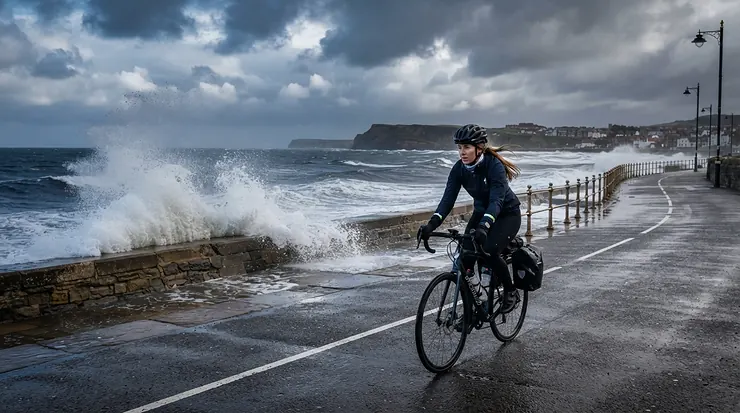
There’s a very specific kind of misery reserved for British cyclists in October: the moment rain finds the gap between your cuff and your jacket sleeve, and you realise your gloves have quietly stopped doing their one job. Your hands go from “bit nippy” to “can’t feel the brake lever” in about four miles, and suddenly that lovely autumn ride is a white-knuckle crawl home. Waterproof long finger road cycling gloves exist precisely to stop that scene from playing out, and yet an enormous number of riders end up buying the wrong pair — usually because “waterproof” on a hangtag and “waterproof” in a genuine three-layer membrane sense are two very different promises.

This guide cuts through that confusion. We’ve researched seven real, currently available gloves spanning budget, mid-range and premium price brackets, comparing genuine specifications, aggregated review sentiment and honest trade-offs rather than recycled marketing copy. Cold hands are more than an inconvenience, too — persistent numbness and colour changes in the fingers can point towards circulation conditions like Raynaud’s phenomenon, so getting genuine insulation and waterproofing right matters for comfort and for your control over the bike. Whether you’re commuting through a British winter or chasing club-run miles on wet Sunday roads, you’ll find a properly reasoned pick here — including options for anyone who specifically wants long finger cycling gloves under £25.
Quick Comparison Table
Before the deep dive, here’s the at-a-glance version for anyone short on time.
| Product | Price Range | Waterproofing | Best For |
|---|---|---|---|
| ROCKBROS Waterproof Winter Cycling Gloves | Under £20 | Water-repellent membrane | Tightest budget |
| dhb Waterproof Gloves | £25-£30 range | Internal waterproof membrane | Best all-round value |
| Altura Nightvision Unisex Waterproof Insulated Cycling Gloves | Around £40 | 8K/8K rated membrane | Slim hands & dexterity |
| Giro Xnetic H2O | £35-£55 range | RainGuard 3-layer membrane | Packable, stretchy fit |
| GripGrab Ride Waterproof Winter Gloves | Around £50 | Fully waterproof, windproof | Deep-winter downpours |
| Endura Deluge | £45-£55 range | Waterproof, breathable membrane | All-round winter workhorse |
| Sealskinz Waterproof All Weather Cycle Gloves | £50-£65 range | Three-layer waterproof construction | Year-round premium protection |
Looking at this spread, the pattern is fairly clear: below £25, you’re generally buying water-resistant protection rather than a fully sealed membrane, while anything from the mid-£40s upward tends to include genuine three-layer, taped-seam construction. That’s not a knock on the budget end — a lot of commuters simply don’t need Arctic-grade insulation for a twenty-minute ride — but it does mean matching the price bracket to how wet and how long your rides actually are.
💬 Found a pick you like already? One click on any product name takes you straight to check the current price — help yourself, and help this site keep testing gloves for you!
Top 7 Waterproof Long Finger Road Cycling Gloves: Expert Analysis
1. ROCKBROS Waterproof Winter Cycling Gloves — cheapest genuine option that still works
At under £20, the ROCKBROS Waterproof Winter Cycling Gloves undercut almost everything else on this list, and they do it by keeping the construction simple rather than cutting corners on the bits that matter most.
The palm uses a water-repellent softshell fabric with a fleece lining and a windproof layer, paired with silicone grip patches across the fingers and heel of the hand. In practice, this means light-to-moderate rain beads and runs off rather than soaking straight through, though a genuinely torrential downpour on a long ride will eventually find its way in around the seams. Based on the spec comparison with the rest of this list, these are best understood as water-resistant rather than fully waterproof in the way a taped-seam membrane glove is — a distinction that matters enormously if you’re commuting daily through a wet winter versus doing the occasional damp Saturday spin.
Reviewers consistently report that the fit runs slightly generous, so sizing down is a common piece of advice, and the touchscreen-compatible fingertip works reasonably well for unlocking a phone at traffic lights, if inconsistently for typing. The thermal lining copes fine down to around 5°C, but colder mornings expose the limits of a budget build.
Pros:
- ✅ Genuinely affordable entry point under £25
- ✅ Silicone grip zones hold up well on brake hoods
- ✅ Reflective detailing helps with dark commutes
Cons:
- ❌ Water-resistant rather than fully waterproof in heavy rain
- ❌ Sizing runs large, so check the chart carefully
Priced comfortably under £25, this is the pragmatic pick for riders who want long finger cycling gloves under £25 that won’t fall apart after one soggy commute, without expecting them to survive a four-hour monsoon ride.
2. dhb Waterproof Gloves — best value UK-brand all-rounder
Wiggle’s in-house brand has built a genuine reputation for punching above its price point, and the dhb Waterproof Gloves are a solid example of why — an internal waterproof membrane and a neoprene cuff seal sit underneath a fleece-lined shell, at a price that sits right around the psychological £25-£30 mark.
What most buyers overlook about this model is that dhb hasn’t tried to cram in every possible feature; instead it’s concentrated its budget on the membrane and lining, which is exactly where it counts on a genuinely wet ride. The neoprene cuff seal is designed to stop water tracking in at the wrist, a common failure point on cheaper gloves, and the microfibre thumb panel doubles as a nose-wipe for drippy winter mornings — small, unglamorous, genuinely useful.
Independent testing from Cycling Weekly’s gloves review found the dhb pair kept hands warm and dry in all but the heaviest of downpours, praising the value proposition specifically. Aggregated buyer feedback is broadly consistent with that verdict: riders like the lightweight feel (around 48g per medium glove) and the reflective detailing, though several note the cuff is on the shorter side and lacks some of the refinement of pricier options.
Pros:
- ✅ Genuine waterproof membrane at a sub-£30 price point
- ✅ Neoprene cuff seal reduces water ingress at the wrist
- ✅ Lightweight build doesn’t feel bulky on the bar
Cons:
- ❌ Cuff length is shorter than premium alternatives
- ❌ One colourway only, which limits choice
In the £25-£30 range, this is arguably the best value long finger cycling gloves under £25-ish bracket you’ll find from an established UK cycling brand, and a sensible first proper winter glove for anyone stepping up from bargain-bin softshell pairs.
3. Altura Nightvision Unisex Waterproof Insulated Cycling Gloves — best dexterity for slim hands
If your main complaint about winter gloves is that they turn your hands into oven mitts, the Altura Nightvision Unisex Waterproof Insulated Cycling Gloves address that directly with a slim-fingered cut and an 8K/8K rated waterproof and breathable membrane.
The 8,000mm hydrostatic head rating (the industry measure for how much water pressure the fabric resists before leaking) is respectable rather than class-leading, but the standout here is fit: the flexible fabric underside allows genuinely independent finger movement, which matters enormously when you’re braking, shifting and reaching for a bottle in traffic. On paper this means less bulk for a given level of warmth, and reviewers back that up — testing found the Nightvision beat pricier rivals costing more than double for outright dexterity.
The trade-off is that the palm and inner cuff fabric can start to absorb water under sustained heavy rain and hand pressure on the bars, particularly if your jacket sleeve isn’t overlapping the cuff properly. That’s a known compromise of prioritising slimness over bulk, and reviewers consistently flag it as the one weak point in an otherwise well-balanced glove.
Pros:
- ✅ Genuinely excellent finger dexterity for a winter glove
- ✅ Long nose-wipe panel is a small but appreciated detail
- ✅ Competitively priced against premium dexterity-focused rivals
Cons:
- ❌ Palm fabric can absorb water in sustained heavy rain
- ❌ Cuff needs a jacket sleeve over it to stay fully sealed
Sitting around £40, these suit riders who care more about lever feel and gear-shifting precision than maximum bomb-proof waterproofing — a sensible trade for most road cyclists who aren’t out in genuinely apocalyptic weather.
4. Giro Xnetic H2O — best stretch-knit fit and packability
Giro’s approach with the Giro Xnetic H2O is different from the padded-softshell norm: a TPU-reinforced knit shell bonded to a stretch fabric, with Giro’s RainGuard membrane sandwiched between a nylon outer and hypoallergenic liner.
The knit construction is the headline feature, and it changes the glove’s character noticeably. Because the shell stretches with your hand rather than around it, the fit feels closer to a compression sock than a traditional glove — Giro rates it for use down to around 5°C, which places it more as a shoulder-season and cool-commute option than a deep-winter warmer. What most buyers overlook about this model is how easily it packs down into a jersey pocket, useful for riders who start cold and warm up, or who want a “just in case” pair for unpredictable British forecasts.
Reviewers and retailers consistently highlight the seamless, sock-like fit and the non-slip palm print as strengths, while noting that — like most knit-shell gloves — it isn’t the warmest option here for genuinely freezing rides. RRP sits around £55, though it’s frequently available in the mid-£30s to mid-£40s range at UK retailers, so it’s worth checking current pricing before assuming it’s the priciest pick on this list.
Pros:
- ✅ Stretch-knit construction gives an unusually close, natural fit
- ✅ Packs down small for jersey-pocket carrying
- ✅ Touchscreen-compatible fingertips work reliably
Cons:
- ❌ Less insulation than dedicated deep-winter gloves
- ❌ Knit shell shows wear faster than woven fabrics
At a typical £35-£55 range depending on retailer and sale, this is the pick for riders who value fit and packability over outright thermal bulk — think shoulder-season commuters and roadies who hate a stiff, unyielding glove.
5. GripGrab Ride Waterproof Winter Gloves — best for deep-winter downpours
When the forecast reads “heavy rain, 2°C, feels like -3°C,” the GripGrab Ride Waterproof Winter Gloves are built specifically for that scenario, with a Stormproof outer layer, fleecy inner and a genuinely substantial thermal mid-layer.
GripGrab’s Ride range was designed on a “back to basics” philosophy — prioritise the fundamentals of warmth and waterproofing over gimmicks — and independent testing backs up the claim: reviewers who wore them through multi-hour rides in heavy rain reported hands staying properly dry throughout, even on four-hour outings. That’s a meaningfully higher bar than several rivals on this list clear. The 4mm “DoctorGel” palm cushioning adds genuine shock absorption on rough British B-roads, and the extra-long Velcro cuff is designed to overlap a jacket sleeve rather than tuck under it, closing off the usual wrist leak point.
The honest trade-off, and reviewers are consistent on this, is breathability: this level of waterproofing means hands can get sweaty once temperatures climb above roughly 6-8°C, so these aren’t a year-round glove — they’re a specialist deep-winter tool.
Pros:
- ✅ Genuinely waterproof in sustained, heavy rain
- ✅ Substantial thermal insulation for sub-zero rides
- ✅ Long cuff designed to overlap jacket sleeves properly
Cons:
- ❌ Breathability drops off noticeably above 6-8°C
- ❌ Bulkier fit reduces fine lever control slightly
Typically found around the £45-£55 mark, this is the specialist pick for anyone who rides through proper winter conditions and has already been burned by gloves that claimed “waterproof” and meant “water-resistant.”
6. Endura Deluge — best all-round British-designed winter workhorse
Endura’s Endura Deluge has been a best-seller in the brand’s range for good reason: a waterproof, breathable membrane sandwiched between a Cordura-reinforced outer and a soft brushed-fleece inner, combined with Thinsulate insulation that keeps performing even when damp.
Here’s what to weigh with this one — the Deluge doesn’t chase the slimmest fit or the lightest weight on this list, and it doesn’t need to. Thinsulate’s synthetic fill retains a good chunk of its insulating power even if moisture gets in through sweat or a compromised seal, which is a genuine practical advantage over natural-fill alternatives, and it’s easier to wash and dry between rides as a result. The gel-padded palm with silicone grip print is aimed squarely at commuters and long-ride roadies who spend hours gripping the bar, rather than racers chasing outright dexterity.
Aggregated review sentiment is consistently positive on warmth and durability, with the PFC-free DWR-treated outer fabric praised for shedding light-to-moderate rain effectively before the membrane even needs to work. The extra-long cuff with a wrap-round Velcro adjuster closes the classic wrist gap, and a conductive microfibre palm patch handles touchscreen use.
Pros:
- ✅ Thinsulate insulation keeps working even when slightly damp
- ✅ Reinforced Cordura outer adds genuine long-term durability
- ✅ Extra-long cuff with wrap-round Velcro seals well against jackets
Cons:
- ❌ Heavier and bulkier than dexterity-focused rivals
- ❌ Not the cheapest way to get waterproof protection
Priced in the £45-£55 range depending on retailer discounts, this is the sensible middle-ground pick for riders who want one dependable winter glove rather than a wardrobe of specialists.
7. Sealskinz Waterproof All Weather Cycle Gloves — best premium year-round protection
The British brand that essentially built its reputation on waterproof accessories, Sealskinz brings that expertise to cycling with the Sealskinz Waterproof All Weather Cycle Gloves, built around a genuine three-layer construction for warmth, durability and waterproofing in one package.
What most buyers overlook about the “All Weather” naming is that it’s a deliberate positioning choice — rather than being the single warmest option here, it’s engineered to work across a wider temperature band than deep-winter specialists like the GripGrab Ride, making it a viable one-glove solution for autumn through to early spring. The “zero liner movement” construction Sealskinz uses is designed to stop the inner lining bunching or twisting inside the shell over repeated wears, a small engineering detail that meaningfully extends comfortable lifespan versus cheaper bonded-liner gloves. Foam pressure-point padding and a PU suede thumb wiper round out the practical feature set.
Reviewers consistently highlight the balance between rugged waterproofing and breathability as the standout, with the reflective detailing adding a genuine visibility benefit on dark commutes. The trade-off is price: at £50-£65 depending on retailer and colourway, this sits at the top of the bracket covered in this guide, and touchscreen compatibility isn’t a strong point on some versions of the range.
Pros:
- ✅ Genuine three-layer waterproof construction from a specialist brand
- ✅ “Zero liner movement” design improves long-term comfort
- ✅ Works across a wider temperature range than deep-winter specialists
Cons:
- ❌ Priciest option on this list
- ❌ Touchscreen compatibility is inconsistent across the range
At £50-£65, the Sealskinz Waterproof All Weather Cycle Gloves are the considered investment pick — the one to choose if you’d rather buy once and stop thinking about wet-weather hands for several winters.
Top 7 Products: Specs & Value at a Glance
| Product | Waterproof Rating | Insulation | Touchscreen | Price Range | Best For |
|---|---|---|---|---|---|
| ROCKBROS Waterproof Winter Cycling Gloves | Water-repellent | Fleece lining | Yes | Under £20 | Absolute budget |
| dhb Waterproof Gloves | Membrane + neoprene cuff | Fleece lining | Limited | £25-£30 range | Best overall value |
| Altura Nightvision | 8K/8K rated | Light insulation | Yes | Around £40 | Dexterity, slim hands |
| Giro Xnetic H2O | RainGuard 3-layer | Light-moderate | Yes | £35-£55 range | Fit & packability |
| GripGrab Ride Waterproof Winter Gloves | Fully waterproof | Substantial thermal | Yes | Around £50 | Deep-winter rides |
| Endura Deluge | Waterproof membrane | Thinsulate | Yes | £45-£55 range | All-round durability |
| Sealskinz Waterproof All Weather Cycle Gloves | Three-layer | Moderate | Inconsistent | £50-£65 range | Premium year-round |
Reading across this table, there’s a clear correlation between price and breadth of usable temperature range rather than price and peak warmth alone — the GripGrab Ride Waterproof Winter Gloves are arguably warmer than the pricier Sealskinz Waterproof All Weather Cycle Gloves, but the Sealskinz pair earns its premium by staying comfortable across more of the year. Budget buyers should note that the jump from the ROCKBROS to the dhb Waterproof Gloves buys a proper membrane, which is the single biggest functional upgrade on this entire list.
🔍 Take your winter riding to the next level with these carefully selected gloves.Click on any highlighted product to check current pricing and availability — these picks will help you keep riding through conditions that would otherwise keep you on the sofa!

Practical Usage Guide: Fit, Break-In and Getting the Drying Routine Right
Buying the right glove is only half the job — how you use and care for it determines whether it lasts one winter or five. Fit first: measure around the widest part of your palm, excluding the thumb, and check it against the specific brand’s size chart rather than assuming your usual size carries across, since cut varies significantly between the boxy dhb-style fit and the closer Giro knit construction.
On drying time specifically — a detail Amazon listings rarely mention — waterproof membrane gloves need to dry from the inside out, not just the outside. Stuffing them near a radiator dries the outer shell quickly but can trap moisture against the membrane and lining, encouraging odour and slowly degrading the waterproof coating. The better approach is loosely stuffing them with newspaper or a microfibre cloth and leaving them at room temperature; most three-layer membrane gloves are dry within 12-24 hours this way, while thicker Thinsulate-insulated pairs like the Endura Deluge can take closer to 36 hours if they’ve been thoroughly soaked.
A common first-30-days mistake is machine-washing gloves on a standard cycle with regular detergent, which strips the DWR (durable water repellent) coating on the outer fabric and accelerates wetting-out. Hand-washing with a technical wash and reproofing every few months keeps the outer shell beading water properly, extending the working life of the membrane underneath considerably.
Real-World Scenarios: Matching Gloves to Your Ride
Specs only tell half the story — how you actually ride matters just as much. Consider three common profiles.
The daily commuter cycling 6-8 miles each way through a British winter, often in stop-start traffic and unpredictable showers, is generally best served by something in the £25-£45 bracket like the dhb Waterproof Gloves or Altura Nightvision Unisex Waterproof Insulated Cycling Gloves — genuine waterproofing without paying for insulation levels they won’t fully need on shorter rides.
The weekend club rider doing 40-60 miles in genuinely wet, cold conditions needs the sustained performance of the GripGrab Ride Waterproof Winter Gloves or Sealskinz Waterproof All Weather Cycle Gloves — gloves tested and proven over multi-hour exposure rather than a twenty-minute commute.
The budget-conscious student or occasional rider who cycles a few times a week in mild-to-moderate rain, and simply needs reliable protection without a big outlay, is well served by the ROCKBROS Waterproof Winter Cycling Gloves — genuinely useful long finger cycling gloves under £25 that cover the common cases without overspending on capability they won’t use.
Problem → Solution: Fixing Common Long-Finger Glove Complaints
Problem: Water tracking in at the wrist. This is almost always a cuff-overlap issue rather than a glove failure — wear your jacket sleeve over the cuff, not under it, and look for gloves like the Endura Deluge or GripGrab Ride Waterproof Winter Gloves with a genuinely extended cuff length.
Problem: Sweaty hands despite “breathable” claims. Waterproof membranes trade some breathability for water resistance by design; on milder days, a lighter option like the Giro Xnetic H2O will breathe noticeably better than a deep-winter specialist.
Problem: Numb fingertips despite decent insulation. This can be a fit issue (too tight restricts blood flow) rather than a warmth issue — size up rather than assuming you need a warmer glove. Persistent numbness or colour change beyond what’s explained by cold exposure is worth mentioning to a GP.
Problem: Touchscreen fingertips that don’t reliably work. Conductive thread degrades with washing and wear; pressing slightly harder and using the index finger pad (where the conductive patch is usually largest) tends to help more than buying a new pair.
Problem: Reduced brake lever feel in bulkier winter gloves. This is a genuine trade-off of insulation — riders who prioritise control should lean towards slimmer options like the Altura Nightvision Unisex Waterproof Insulated Cycling Gloves rather than maximum-warmth picks.
What Is a Waterproof Long Finger Road Cycling Glove?
A waterproof long finger road cycling glove is a full-coverage cycling glove, extending to the wrist, built with a sealed or taped waterproof membrane between an outer shell and inner lining, designed to keep hands dry and functional in wet weather while still allowing enough dexterity to brake, shift and steer safely.
The “long finger” distinction matters because it separates these gloves from fingerless mitts, which prioritise breathability and grip over weather protection. For UK riders facing genuinely unpredictable, wet conditions for much of the year, the full-finger, waterproof construction is generally the more practical default outside of high summer.
How to Choose Waterproof Long Finger Road Cycling Gloves
- Check the waterproofing method, not just the word “waterproof.” Look for a stated membrane (like Gore-Tex, RainGuard or an equivalent) rather than a simple DWR-coated fabric, which only repels light moisture.
- Match insulation level to your typical ride length and conditions. A 20-minute commute needs far less insulation than a four-hour winter club run.
- Prioritise cuff length and closure if you ride in sustained rain. A short cuff is the single most common failure point for water ingress.
- Test dexterity before committing to a long ride. Bulkier, warmer gloves can meaningfully reduce brake and gear-shift precision.
- Consider touchscreen compatibility only as a bonus, not a deciding factor. Aggregated reviews consistently show this feature is inconsistent across nearly every brand and price point.
- Factor in breathability for shoulder-season use. If you’ll wear the same pair from September through to April, a mid-weight option handles the temperature swing better than a deep-winter specialist.
- Set a realistic budget band based on how wet your rides actually get. Occasional light rain doesn’t need a £60 glove; multi-hour winter exposure genuinely benefits from one.
Understanding the Waterproof Membrane: What Actually Keeps the Rain Out
The single biggest source of confusion in this category is the gap between “water-resistant” and genuinely “waterproof.” A waterproof breathable fabric works by using a membrane with pores small enough to block liquid water droplets from passing through, while still being large enough to let water vapour (sweat) escape outward — that’s the technology underpinning gloves like the Sealskinz Waterproof All Weather Cycle Gloves and GripGrab Ride Waterproof Winter Gloves.
Budget gloves like the ROCKBROS Waterproof Winter Cycling Gloves, by contrast, typically rely on a DWR (durable water repellent) coating applied to the outer fabric. This makes water bead and roll off initially, which works fine for light rain and road spray, but it isn’t a sealed barrier — under sustained pressure and saturation, water eventually works through the fabric weave itself. The spec sheet won’t always tell you this outright, but the practical difference shows up exactly where you’d expect: a 20-minute shower versus a 3-hour downpour.
Hydrostatic head ratings (measured in millimetres, like the Altura’s 8,000mm) give you a rough comparative benchmark: higher numbers generally mean more resistance to water pressure before leaking, though ratings aren’t always tested identically across brands, so treat them as a useful guide rather than an absolute measure.

Grip in Wet Conditions: Why Some Palms Work and Others Don’t
Grip in wet conditions comes down to palm material and texture more than any single spec, and it’s an area where marketing language (“enhanced grip!”) often glosses over genuine mechanical differences. Silicone print patterns — the raised dots or lines you’ll find on the ROCKBROS, dhb and GripGrab Ride palms — work by increasing surface friction against the brake hood even when both surfaces are wet, because silicone doesn’t lose grip the way smooth fabric or leather does when saturated.
Amara synthetic suede, used on the Altura Nightvision and Sealskinz Waterproof All Weather Cycle Gloves, takes a different approach: a textured microfibre surface that channels water away rather than pooling it, maintaining a drier contact point. Reviewers consistently note that gel-padded palms, like on the Endura Deluge, add comfort on long rides but can slightly reduce fine tactile feedback compared to a thinner, unpadded palm — a genuine trade-off between comfort and precision rather than one option being objectively better.
For anyone descending wet British hills regularly, prioritising a proven silicone-print or textured Amara palm over padding thickness alone is the more evidence-based choice for maintaining control.
Long Finger Gloves for Cold Hands: A Guide for Cyclists Who Feel the Chill First
Some riders run cold no matter how mild the forecast, and for this group, insulation type matters more than waterproof rating alone. Thinsulate, used in the Endura Deluge, retains a meaningful chunk of its insulating properties even when slightly damp — a genuine practical advantage over cheaper synthetic fills that lose warmth quickly once wet.
If cold hands are a recurring, significant problem rather than an occasional mild annoyance — particularly if fingers turn white or blue and take a long time to recover warmth and colour — it’s worth discussing with a GP, since this pattern can be associated with circulation-related conditions rather than simply needing a warmer glove. For most riders without an underlying condition, though, the practical fix is layering: a thin merino liner glove underneath a roomier waterproof shell traps more warm air than a single thicker glove, and it means you can size the outer glove for dexterity rather than bulk.
Among the seven gloves here, the GripGrab Ride Waterproof Winter Gloves and Endura Deluge offer the most dedicated cold-weather insulation, while the Giro Xnetic H2O is genuinely the wrong choice for anyone who runs cold, given its shoulder-season design intent.
Long Finger Cycling Gloves Under £25: What You Actually Get (and Give Up)
There’s a persistent myth that anything under £25 is a false economy in cycling kit, and for some categories that’s fair — but waterproof long finger gloves are actually one of the more forgiving budget categories, provided expectations are realistic.
At this price point, expect a DWR-coated water-resistant shell rather than a sealed membrane, adequate-but-not-exceptional insulation, and simpler construction with fewer panels and reinforcement points. What you’re giving up compared to the £45+ bracket is primarily performance under sustained, heavy rain and longer-term durability across multiple winters of hard use — the stitching and fabric on budget gloves like the ROCKBROS Waterproof Winter Cycling Gloves simply aren’t engineered to the same tolerances as specialist brands.
What you’re not giving up, in most cases, is basic function for typical UK commuting conditions: light-to-moderate rain, temperatures down to around freezing, and rides under an hour. For that use case, spending three times more buys diminishing returns rather than proportionally better performance.
Waterproof Long Finger Gloves vs Softshell/Windproof Gloves
| Factor | Waterproof Long Finger | Softshell/Windproof |
|---|---|---|
| Rain protection | Genuine barrier via membrane | Repels light rain only, wets through eventually |
| Wind protection | Strong, usually inherent to shell | Strong, often the primary strength |
| Breathability | Lower (trade-off for waterproofing) | Higher |
| Best conditions | Sustained rain, sub-5°C | Dry-but-cold, or light showers |
| Typical price | £25-£65 range | £15-£40 range |
The core distinction is what each glove is actually engineered to defeat: waterproof gloves are built around a sealed membrane specifically to stop liquid water, while softshell and windproof gloves are built around wind-blocking fabric that happens to shed light moisture reasonably well. Riders who mostly face cold, dry, blustery conditions — a common autumn pattern rather than genuine rain — are often better served by a lighter, more breathable windproof glove than by paying for waterproofing they rarely need. If your rides regularly include actual rain rather than just wind and cold, though, the waterproof category earns its higher price and lower breathability.
Common Mistakes When Buying Waterproof Cycling Gloves
The most frequent mistake is buying based on the word “waterproof” alone without checking whether it refers to a membrane or a surface coating — as covered above, these behave very differently once you’re genuinely soaked. A second common error is prioritising maximum warmth over fit and dexterity, which leaves riders with clumsy braking and gear-shifting exactly when conditions are most demanding.
Sizing is another repeat offender: buying true-to-normal-glove-size rather than checking the specific brand’s palm-circumference chart, particularly with European brands like GripGrab and Sealskinz, where fit can run differently to UK high-street sizing expectations. Finally, many riders skip proper care — as the Highway Code’s guidance for cyclists makes clear, being able to brake, signal and control the bike safely is a genuine road safety issue, and gloves that have lost their waterproofing (or grip, through machine-wash damage) compromise exactly that control when conditions are already difficult.

FAQ
❓ Are waterproof cycling gloves actually fully waterproof?
❓ What's the difference between long finger and short finger cycling gloves?
❓ Can I wash waterproof cycling gloves in a washing machine?
❓ How long should waterproof cycling gloves take to dry?
❓ Are expensive cycling gloves worth it for occasional riders?
Conclusion
Choosing the right waterproof long finger road cycling gloves really comes down to being honest about your actual riding pattern rather than chasing the highest spec sheet available. A short, occasional commuter is genuinely well served by the ROCKBROS Waterproof Winter Cycling Gloves or dhb Waterproof Gloves, while anyone facing multi-hour rides through proper British winter weather will get real, measurable value from the deeper protection of the GripGrab Ride Waterproof Winter Gloves, Endura Deluge or Sealskinz Waterproof All Weather Cycle Gloves. Riders who prioritise feel and control over maximum warmth should look closely at the Altura Nightvision Unisex Waterproof Insulated Cycling Gloves or the stretch-knit Giro Xnetic H2O.
None of these seven are the “wrong” choice in isolation — they’re built for genuinely different scenarios, and the honest spec comparison above should make it easier to match your own riding pattern to the right pair rather than guessing. Whatever you land on, the fundamentals matter more than any single flashy feature: a proper membrane, a cuff that actually overlaps your jacket, and a fit that doesn’t compromise your ability to brake and shift confidently.
Recommended for You
- Long Finger Road Cycling Gloves: 7 Top UK Picks for Autumn 2026
- Padded Gloves for Wrist Pain Cycling: 7 Picks That Work (2026)
- Padded Road Cycling Gloves: 7 Best Picks to Stop Numb Hands (2026)
Disclaimer: This article contains affiliate links. As an Amazon Associate, I earn from qualifying purchases. If you purchase products through these links, we may earn a small commission at no additional cost to you.
✨ Found this helpful? Share it with your friends! 💬🤗
