In This Article
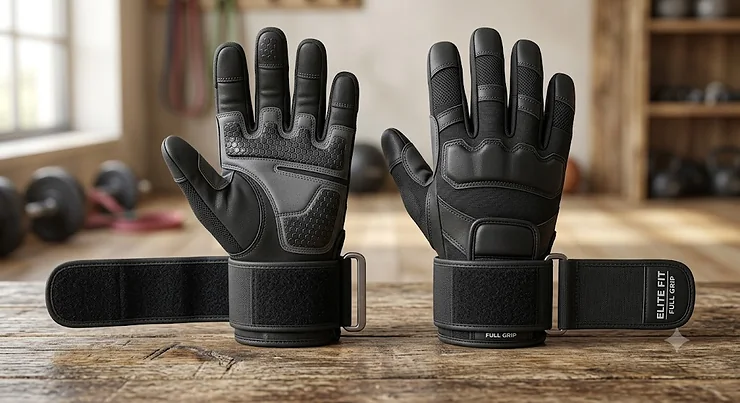
Somewhere between your third set of deadlifts and the moment you notice a hot patch forming under your ring finger, you start Googling full finger gym gloves at 11pm. You are not alone. Full finger gym gloves are workout gloves that cover the entire hand, including the fingers, rather than stopping at the knuckles like the more common fingerless style. They exist for one simple reason: bare skin against knurled steel, rough pull-up bars and battle ropes eventually loses.
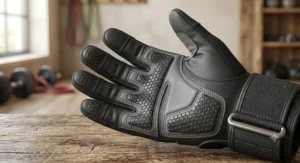
This guide takes a proper, honest look at what full finger gym gloves actually do well, where they fall short, and which pairs currently sold in the UK are worth your money. We researched real products, real specifications and genuine aggregated review sentiment rather than repeating marketing copy, because a glove that “feels amazing” on a product page can still bunch under your palm on a heavy clean grip. Whether you are chasing a first pull-up, protecting a fresh callus from splitting mid-set, or just tired of your hands smelling like a changing room by Thursday, there is a sensible option below.
We will cover seven real full finger gym gloves spanning budget, mid-range and premium price points, followed by honest comparison, buying guidance, and answers to the questions people actually type into Google before they buy. Expect straight talk on grip versus coverage, ventilation, and why knuckle protection matters more for some lifters than others.
Quick Comparison Table
| Product | Best For | Wrist Support | Price Range |
|---|---|---|---|
| RDX W1 Full Finger Gym Gloves | Budget all-rounder | Elasticated strap | under £16 |
| FREETOO Full-Finger Workout Gloves | First-time buyers | Basic hook-and-loop | under £14 |
| RYMNT Full Finger Workout Gloves | Touchscreen users | Standard strap | £12-£16 |
| ihuan Full Finger Gym Gloves | Sweaty hands | Wrist wrap | £15-£20 |
| RDX F41 Full Finger Gym Gloves | Heavy pulling work | Long wrist wrap | £13-£18 |
| Bear Grips Full Finger Gel Padded Gloves | Callus-prone lifters | Adjustable strap | £20-£28 |
| Precision Training Leather Weightlifting Gloves | Traditionalists | Velcro closure | £20-£30 |
Looking at the spread above, the cheaper options cluster around basic elasticated cuffs, while anything above roughly £18 tends to add a proper wrist wrap for pressing and pulling stability. If you deadlift or do a lot of hangs and rows, that extra wrist support is worth the jump; if you mostly use dumbbells and machines, a budget pick will likely do the job just as well. Worth noting too: aggregated review sentiment across these categories consistently flags sizing as the single biggest source of buyer regret, so measuring your hand properly matters more than which brand you pick.
💬 Found a pair that suits your training style? Give this guide a share, it helps other lifters make a better-informed choice too!😊
Top 7 Full Finger Gym Gloves: Expert Analysis
Picking the right pair is less about chasing the flashiest spec sheet and more about matching glove construction to what you actually do in the gym. We have grouped these seven by rough price tier, but read the honest take on each because the “best” one for hill-climbing rep counts on a rowing machine is not necessarily the best for a heavy trap-bar deadlift.
1. RDX W1 Full Finger Gym Gloves — cotton towel build with touchscreen fingertips
The RDX W1 Full Finger Gym Gloves stand out for pairing an unusually washable cotton towelling shell with a touchscreen-friendly fingertip, a combination you rarely see at this price. The palm uses a silicone grip layer bonded to G-foam padding, which in practice means the gloves cushion the bar without turning your hand into a numb mitt, and the nylon stretch mesh on the back keeps airflow reasonable during shorter sessions. Based on the spec comparison with other entry-level gloves, the towelling thumb panel is a small but genuinely useful touch, since it doubles as a sweat wipe rather than making you reach for a towel mid-set.
This is a sensible pick for beginners and casual gym-goers who want fuller hand coverage without committing to a premium price, and for anyone who hates taking gloves off just to check a phone notification between sets. Reviewers consistently report that the fit runs slightly generous, so sizing down is often recommended, and several mention the pull tabs make on-and-off quicker than expected for a full-coverage glove.
Pros:
- ✅ Touchscreen-friendly fingertips save constant glove removal
- ✅ Machine-washable cotton towelling shell
- ✅ Silicone and G-foam palm cushions without deadening grip
Cons:
- ❌ Sizing runs generous, so check the chart carefully
- ❌ Wrist strap is basic compared with wrap-style rivals
Sitting comfortably under £16, this is one of the more affordable entries here, and for the money it delivers reasonable value, particularly if your training is mixed cardio and light-to-moderate lifting rather than max-effort pulls.
2. FREETOO Full-Finger Workout Gloves — simplest option for absolute beginners
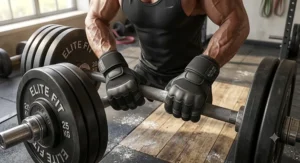
The FREETOO Full-Finger Workout Gloves lean into a no-frills approach, with a padded palm and a straightforward hook-and-loop wrist closure that prioritises ease of use over bells and whistles. What most buyers overlook about entry-level gloves like this is that simplicity is itself a feature: fewer seams and layers generally means fewer failure points, which matters if this is your first time wearing gloves and you are not yet sure you will stick with them. The palm padding is aimed squarely at reducing friction on machines, dumbbells and barbells rather than specialised grip sports.
Based on the spec comparison with pricier rivals, you are trading long-term wrist stability and premium materials for accessibility and a lower entry cost, which is a reasonable trade-off for someone testing whether full finger gloves even suit their training style before spending more. Aggregated review sentiment for budget full-finger gloves in this bracket tends to praise comfort out of the box, while noting that stitching around the fingertips can show wear sooner under very heavy, frequent use.
Pros:
- ✅ Genuinely beginner-friendly, low learning curve
- ✅ Comfortable palm padding straight out of the box
- ✅ Among the most affordable full finger options available
Cons:
- ❌ Wrist support is minimal for heavy pulling movements
- ❌ Durability under daily heavy use is less proven
At under £14, this is realistically the safest low-commitment entry point if you are still deciding whether gloves suit you at all, and it compensates for its simplicity with straightforward day-one comfort.
3. RYMNT Full Finger Workout Gloves — extra grip foam for slippery equipment days
The RYMNT Full Finger Workout Gloves add a noticeably thicker foam grip layer across the palm, which on paper translates to better cushioning on textured or slightly worn gym equipment where your hands would otherwise slide. The touchscreen panel on the thumb and forefinger works the same way as cheaper rivals, letting you unlock a phone without stripping a glove off between sets. What the spec sheet won’t tell you, but reviewers note, is that the thicker padding does slightly reduce direct bar feel compared with thinner options, something worth weighing if you like to sense small shifts in barbell position during heavier lifts.
This pair suits lifters who prioritise comfort and cushioning over maximum tactile feedback, particularly those doing higher-rep accessory work, machine circuits, or general strength training where raw bar feel matters less than reducing hand fatigue over a long session. Reviewers consistently report the extra padding helps on pull-up bars and cable machines, where repeated gripping otherwise causes soreness.
Pros:
- ✅ Thicker foam padding reduces hand fatigue on high-rep sets
- ✅ Touchscreen compatibility on thumb and forefinger
- ✅ Good grip on smooth or worn gym equipment
Cons:
- ❌ Extra padding slightly dulls direct barbell feel
- ❌ Less ideal for lifters who prefer a minimalist glove
In the £12-£16 range, the RYMNT Full Finger Workout Gloves represent solid mid-budget value for anyone whose priority is comfort across a long session rather than competition-style bar feel.
4. ihuan Full Finger Gym Gloves — ventilated mesh for hands that sweat heavily
The ihuan Full Finger Gym Gloves are one of the more consistently popular full-finger options sold in the UK, built around an ultralight microfibre back panel and mesh ventilation designed specifically to combat sweaty palms during intense sessions. The integrated wrist wrap offers noticeably more support than the basic elasticated straps found on cheaper rivals, which matters for anyone doing snatches, cleans, or heavy front-rack work where the wrist needs to stay aligned under load. Based on the spec comparison with similarly priced gloves, the palm padding strikes a middle ground: enough cushioning to prevent calluses forming, without the bulk that makes some lifters feel disconnected from the bar.
This is a strong fit for CrossFit-style training, mixed cardio-and-weights sessions, or anyone who has previously given up on gloves because their hands got clammy halfway through a workout. Aggregated review sentiment is generally positive on breathability specifically, with fewer complaints about “swamp hand” than competing padded gloves, though a handful of reviewers mention the thumb panel wears faster than the rest of the glove under heavy rope or bar use.
Pros:
- ✅ Genuinely better ventilation than most padded full finger gloves
- ✅ Wrist wraps add real stability for Olympic-style lifts
- ✅ Balanced palm padding avoids feeling overly bulky
Cons:
- ❌ Thumb panel shows wear faster than the rest of the glove
- ❌ Sits at the upper end of the budget bracket
Typically priced in the £15-£20 range, the ihuan Full Finger Gym Gloves justify the slightly higher cost with genuinely useful wrist support and ventilation that budget rivals rarely match.
5. RDX F41 Full Finger Gym Gloves — long wrist wrap for heavy pulling sessions
The RDX F41 Full Finger Gym Gloves are built around a noticeably longer wrist support strap than the standard RDX W1, aimed squarely at lifters doing heavier pulling and pressing work who want more than a token elasticated cuff. The extended wrap winds further round the wrist, giving genuinely more adjustable compression than shorter alternatives, which on paper means better stability during barbell rows, heavy curls, and overhead pressing where wrist wobble is a real limiting factor. Here’s what to weigh: that extra material adds bulk, so if your priority is minimalist bar feel on cleans and snatches, this is not the pair for you.
This model suits intermediate and advanced lifters who have identified wrist fatigue as a genuine limiting factor in their training, rather than beginners who are still working out what actually bothers them during a session. Reviewers consistently report the wrist wrap holds its compression well after repeated washing, a common failure point on cheaper wrap-style gloves where the elastic degrades within a few months.
Pros:
- ✅ Long wrist wrap gives adjustable, genuine support
- ✅ Wrap retains compression well over repeated washes
- ✅ Suits heavier pulling and pressing movements
Cons:
- ❌ Extra wrist material adds noticeable bulk
- ❌ Overkill for lifters who mainly do machine work
At roughly £13-£18, this sits just above the entry tier, and for lifters who genuinely need wrist support during heavy sessions, it is arguably better value than paying more for a premium leather pair with a weaker wrap.
6. Bear Grips Full Finger Gel Padded Gloves — gel cushioning for callus-prone hands
The Bear Grips Full Finger Gel Padded Gloves, from the UK-facing Bear Grip brand, use a gel padding layer rather than the more common foam or silicone found across the rest of this list. What most buyers overlook about gel padding is that it moulds slightly to pressure points during a set rather than compressing uniformly, which in practice tends to concentrate protection exactly where a barbell or pull-up bar digs in hardest. The full-finger design with hook-and-loop closure keeps things secure during dynamic movements like kettlebell swings, where a loose glove is more than just annoying.
This is a sensible option for lifters who already deal with recurring calluses or hot spots and want targeted cushioning rather than a uniform layer of padding across the whole palm. Based on aggregated feedback shared on the brand’s own site, buyers who were “a bit sceptical” about switching to full finger from fingerless report being pleasantly surprised by grip retention, with no notable loss of control during lifting once broken in.
Pros:
- ✅ Gel padding targets pressure points more precisely
- ✅ Secure fit for dynamic, swinging movements
- ✅ Genuinely useful for lifters with recurring calluses
Cons:
- ❌ Costs more than most gloves on this list
- ❌ Gel padding needs a short break-in period
Priced around £20-£28, the Bear Grips Full Finger Gel Padded Gloves sit toward the premium end, and the value case rests on how much recurring hand soreness is actually costing you in missed or shortened sessions.
7. Precision Training Leather Weightlifting Gloves — full leather build from a long-standing British brand
The Precision Training Leather Weightlifting Gloves take a more traditional route than the synthetic-heavy gloves above, using full leather construction with a padded palm and a Velcro strap, backed by Precision’s long track record as a British sports accessory brand. The spec sheet won’t tell you this, but leather generally breaks in over the first handful of sessions, gradually softening and conforming to your hand shape in a way that synthetic materials do not replicate as convincingly. Finger loops assist quick removal, a small detail that matters more than it sounds when you are moving between exercises with limited rest.
This pair suits lifters who prefer the feel and longevity associated with genuine leather over synthetic microfibre, and who do not mind a short adjustment period in exchange for durability that often outlasts synthetic equivalents. Reviewers consistently point to grip quality and a “proper” feel as the standout, with the trade-off being a firmer, less immediately comfortable fit straight out of the packet compared with pre-softened synthetic gloves.
Pros:
- ✅ Genuine leather construction ages and softens well
- ✅ Strong grip once broken in
- ✅ Backed by an established British sports brand
Cons:
- ❌ Stiffer fit initially than synthetic alternatives
- ❌ Premium pricing relative to synthetic full finger gloves
Sitting in the £20-£30 range, this is the pick for lifters who see gloves as long-term kit worth investing in, rather than a consumable replaced every few months.
Full Finger vs Half Finger Gym Gloves
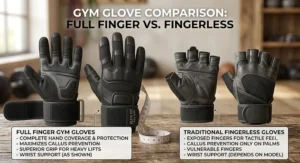
This is genuinely the first decision to make before you even look at a single product listing, and it is more nuanced than most articles admit. Full finger gloves cover the entire hand, protecting every knuckle and the sides of each finger, while half finger (fingerless) gloves stop at the second knuckle, leaving fingertips exposed for better direct contact and dexterity.
Based on the spec comparison across dozens of listings, the practical difference comes down to three things: protection area, sweat management, and fine motor control. Full finger gloves win decisively on protection, particularly for pull-up bars, battle ropes, and anything involving friction across the whole hand rather than just the palm. Half finger gloves win on breathability and on tasks needing fingertip precision, such as adjusting a machine pin or gripping smaller dumbbells securely.
What most buyers overlook is that the “right” choice genuinely depends on your dominant training style rather than a universal best answer. A powerlifter doing heavy barbell work with straps rarely needs full finger coverage. A CrossFit athlete doing muscle-ups, rope climbs and mixed grip work benefits enormously from full coverage, since fingertip skin tears are a genuinely common and painful injury in that training style. If in doubt, consider your last three sessions: if your fingertips were the site of any discomfort, full finger is worth trying.
Benefits of Full Finger Gym Gloves vs No Gloves or Lifting Straps
| Factor | Bare Hands | Lifting Straps | Full Finger Gloves |
|---|---|---|---|
| Callus prevention | Poor | Moderate | Good |
| Grip on bars/ropes | Variable | Strong for pulling only | Consistent all-round |
| Fingertip protection | None | None | Strong |
| Touchscreen use | Easy | Awkward | Often built in |
| Best For | Minimalist lifters | Max-effort pulling | All-round hand protection |
The table above makes it fairly clear that straps and gloves are not really competing products; they solve different problems. Straps exist purely to extend grip endurance on heavy pulling movements like deadlifts and rows, and they do that job better than any glove, but they offer zero protection for the palm or fingers. Full finger gloves, by contrast, spread protection across the entire hand and tend to be the better all-round choice for mixed training that includes pull-up bars, kettlebells, and equipment handling rather than pure barbell pulling.
✨ Ready to protect your hands properly? Check current prices on today’s top picks and find your fit! 🧤
How to Choose Full Finger Gym Gloves for Weightlifting
Choosing full finger gym gloves for weightlifting specifically comes down to matching padding thickness, wrist support and material to the lifts you actually do. Here is a practical, numbered approach based on the spec comparison across this guide’s seven picks:
- Identify your dominant lift type first. Pressing-heavy training benefits from thinner, more tactile padding, while pulling-heavy training benefits from thicker cushioning and a proper wrist wrap.
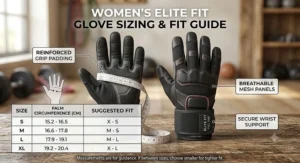
- Measure your hand properly before ordering. Wrap a tape measure around your palm, excluding the thumb, and check it against the specific brand’s size chart rather than guessing from a generic small/medium/large label.
- Decide how much wrist support you actually need. If you already use separate wrist wraps, a basic elasticated cuff is fine; if not, a built-in wrap-style glove like the RDX F41 Full Finger Gym Gloves saves buying two products.
- Prioritise ventilation if you sweat heavily. Mesh-backed gloves like the ihuan Full Finger Gym Gloves genuinely reduce that clammy, sliding-glove feeling during long sessions.
- Weigh leather against synthetic materials. Leather, as used in the Precision Training Leather Weightlifting Gloves, lasts longer but needs breaking in; synthetic microfibre is comfortable immediately but tends to wear faster.
- Check touchscreen compatibility if you track workouts on your phone. Most budget and mid-range gloves now include this, but it is worth confirming before buying.
- Read aggregated review sentiment on sizing specifically, since sizing complaints are consistently the most common issue across nearly every brand covered here.
Knuckle Protection: What It Actually Does
Knuckle protection is one of the more misunderstood features on a workout glove. It is not really about impact absorption the way a boxing glove protects against a punch; in a gym context, it is almost entirely about friction and abrasion resistance. Full finger gloves that extend padding or reinforced material over the knuckle area are guarding against the repeated scraping that happens when your hand grazes a squat rack upright, a rough pull-up bar, or the edge of a weight plate during loading.
Based on the spec comparison here, knuckle protection matters considerably more for CrossFit-style training, strongman work, and anyone regularly loading and unloading plates than it does for someone sticking to machines and dumbbells. Reviewers consistently note that gloves lacking any knuckle reinforcement tend to show the earliest wear exactly there, since that area takes repeated contact that palm-focused padding was never designed to handle. If your knuckles regularly graze equipment during training, look specifically for gloves that mention reinforced or extended knuckle material rather than assuming any full finger glove automatically covers this.
For anyone whose knuckles or fingers are already showing broken skin, the NHS guidance on treating blisters is a genuinely useful reference for keeping the area clean and protected while it heals, rather than covering it and continuing to train through it untreated.
Glove Ventilation: Beating the Sweat
Glove ventilation is the difference between a comfortable 45-minute session and peeling off a glove that has essentially become a small, damp sauna for your hand. Manufacturers achieve ventilation in a few consistent ways: mesh panelling on the back of the hand, perforated palm sections, and moisture-wicking microfibre linings that pull sweat away from skin rather than trapping it.
What the spec sheet won’t tell you, but aggregated review sentiment consistently confirms, is that ventilation quality varies far more between brands than raw padding thickness does. The ihuan Full Finger Gym Gloves stand out specifically here thanks to genuine mesh back panelling, while heavier gel or leather options, including the Bear Grips Full Finger Gel Padded Gloves and Precision Training Leather Weightlifting Gloves, trade some breathability for durability and cushioning. Neither approach is objectively wrong; it is a straightforward trade-off between airflow and protection density.
Practically speaking, if your gym is warm, poorly ventilated, or you simply run hot during training, prioritise mesh-backed options and plan to wash gloves more regularly regardless of which pair you choose, since trapped sweat is also the main driver of unpleasant odour over time.
The Grip vs Coverage Trade-off
This is arguably the single most important concept in the entire full finger gym gloves category, and it explains almost every design decision manufacturers make. More material covering your hand generally means a small but real reduction in direct tactile feedback from the bar, rope, or handle you are gripping. Thinner, more minimal gloves preserve that feedback but sacrifice some protection.
Based on the spec comparison across all seven products in this guide, budget cotton and mesh gloves like the RDX W1 Full Finger Gym Gloves sit toward the “more feel” end of the spectrum, while gel and thickly padded options like the Bear Grips Full Finger Gel Padded Gloves sit toward the “more coverage” end. Neither position is universally correct. Powerlifters and Olympic lifters chasing precise bar path awareness generally prefer thinner gloves or none at all, which is partly why chalk remains so popular in that world. CrossFit athletes, casual lifters, and anyone doing high-rep accessory work generally benefit more from the extra cushioning, since fatigue and skin protection matter more than millimetre-level bar feel over dozens of repetitions.
Grip strength itself is worth taking seriously beyond just comfort, too. A narrative review on hand grip strength as a health indicator notes that grip strength correlates with broader measures of physical function, which is a reasonable argument for choosing gloves that let you train grip-demanding movements consistently rather than avoiding them because bare-hand discomfort cuts sessions short.
Common Mistakes When Buying Full Finger Gym Gloves
Even straightforward purchases like gym gloves go wrong in predictable ways. Based on aggregated review sentiment across the products covered in this guide, these mistakes come up again and again.
Buying based on size label alone, rather than actual hand measurement, is by far the most common error, and it explains the bulk of one and two-star reviews across nearly every brand. Assuming thicker padding always means better protection is another frequent misstep; excessive padding can actually reduce control and, ironically, increase the chance of a dropped weight or missed grip. Ignoring wrist support needs is a third common issue, particularly among lifters who later add heavier pulling movements to their programme and find their basic elasticated-cuff gloves no longer offer enough stability. Finally, skipping the washing instructions and simply machine-washing leather gloves like the Precision Training Leather Weightlifting Gloves on a standard cycle is a fast way to ruin a pair that was designed to be wiped clean and air-dried instead.
Long-Term Cost & Maintenance
Full finger gym gloves are not a one-off purchase in the way a barbell is; they wear out, and factoring that into your buying decision genuinely changes which pair represents better value. A £12 budget pair replaced every four to six months of regular training works out to a broadly similar annual cost as a £25 premium pair that lasts twelve to eighteen months with proper care, so price alone is a poor guide to long-term value.
Maintenance matters more than most buyers expect. Synthetic and mesh gloves generally tolerate gentle machine washing on a cool, delicate cycle, while leather options like the Precision Training Leather Weightlifting Gloves should be wiped down and air-dried away from direct heat to avoid the leather cracking or stiffening prematurely. Rotating between two pairs, rather than wearing a single pair every session, noticeably extends lifespan by giving sweat-soaked material time to fully dry between uses, which also helps with the ventilation and odour issues covered earlier. If you are training multiple times a week, this small habit genuinely pays for itself over a year. For general guidance on building sustainable strength training habits that justify investing properly in your kit, the NHS guide to improving strength and flexibility is a solid, practical starting point.
Practical Usage Guide: Getting the Most from Your Gloves
Getting a new pair of full finger gym gloves right in the first month makes a real difference to both comfort and longevity, yet most people simply pull them on and go straight into a heavy session.
Start by wearing your new gloves for a lighter session first, particularly if they are leather or heavily padded, since this lets the material begin conforming to your hand shape before you load them under maximum stress. Check the wrist strap tension before every session rather than assuming last week’s setting is still correct, since straps do stretch slightly over repeated use. A common mistake in the first thirty days is over-tightening the wrist wrap in an attempt to compensate for a glove that is genuinely the wrong size, which restricts circulation rather than adding useful support.
For maintenance, aim to air-dry gloves fully between sessions rather than stuffing a damp pair straight into a gym bag, since trapped moisture is the single biggest contributor to both odour and premature material breakdown. A light wipe-down after sweaty sessions, followed by a proper wash roughly every one to two weeks depending on training frequency, keeps synthetic gloves performing well for considerably longer. One genuinely useful optimisation trick that rarely appears on product listings: applying a small amount of unscented talc-free grip powder inside the palm before particularly sweaty sessions can meaningfully extend the interval between washes without compromising grip.
Real-World Scenarios: Who Should Wear What
Rather than a generic recommendation, it helps to see how these gloves map onto actual training situations.
Consider a university student who trains four times a week on a tight budget, mixing machine work with the occasional pull-up session. The FREETOO Full-Finger Workout Gloves or RDX W1 Full Finger Gym Gloves make sense here: low upfront cost, adequate protection, and no unnecessary features to pay extra for.
Consider a CrossFit-style athlete training in a warm, busy box five or six times a week, doing rope climbs, kettlebell work and heavy pulling in the same session. The ihuan Full Finger Gym Gloves suit this profile particularly well, since the ventilation and wrist wrap combination directly addresses both the sweat problem and the wrist-stability demands of mixed modal training.
Consider a home gym owner in their late thirties who lifts three times a week, values durable kit that will not need replacing every season, and does not mind a short adjustment period. The Precision Training Leather Weightlifting Gloves or Bear Grips Full Finger Gel Padded Gloves are reasonable premium picks, trading a higher upfront cost for genuine longevity and targeted comfort.
For broader context on how structured strength training fits into general fitness, the Wikipedia overview of strength training is a useful starting reference for anyone building out a fuller routine around whichever gloves they choose.
Buyer’s Decision Framework
If you are still undecided, this simple framework should point you toward the right category quickly.
If your main complaint is fingertip skin tearing on bars or ropes, choose a full finger glove with reinforced padding, because coverage is your priority. If your main complaint is sweaty, sliding hands mid-session, choose a mesh-ventilated full finger glove over a padded or leather option, because breathability solves your specific problem. If your main complaint is wrist fatigue during pulling movements, choose a wrap-style full finger glove like the RDX F41 Full Finger Gym Gloves rather than spending more on padding you do not need. If you simply want the most affordable way to test whether gloves suit your training at all, start with a budget pick like the FREETOO Full-Finger Workout Gloves before investing in premium leather.
✨ Still weighing up your options? Compare today’s prices across all seven picks and grab the pair that fits your training! 🧤💪
FAQ
❓ Are full finger gym gloves better than fingerless for weightlifting?
❓ Do full finger gym gloves reduce grip strength?
❓ How do I stop full finger gym gloves from smelling?
❓ Can you machine wash leather weightlifting gloves?
❓ What size full finger gym gloves should I buy?
Conclusion
Full finger gym gloves are not a universal upgrade over fingerless gloves or bare hands, but for the right training style, the right pair genuinely solves real problems: torn fingertip skin, sweaty slipping grips, and sore wrists during heavy pulling sessions. The honest answer, after comparing seven real products across budget, mid-range and premium tiers, is that there is no single best pair, only a best pair for your specific mix of lifts, sweat levels, and budget.
If you want the safest low-cost starting point, the RDX W1 Full Finger Gym Gloves or FREETOO Full-Finger Workout Gloves cover the basics without overcommitting financially. If sweat and ventilation are your main frustration, the ihuan Full Finger Gym Gloves are the standout pick from this guide. If you train heavy pulling movements regularly, the added wrist support on the RDX F41 Full Finger Gym Gloves earns its slightly higher price. And if you see gloves as long-term kit rather than a consumable, the Precision Training Leather Weightlifting Gloves and Bear Grips Full Finger Gel Padded Gloves are worth the premium.
Whichever pair you choose, measure your hand properly before ordering, since sizing remains the single most common source of buyer regret across every brand covered here.
Recommended for You
- Full Finger Workout Gloves Under £15: 7 Real Picks (2026)
- 7 Best Weightlifting Gloves for Women in 2026
- 7 Best Weightlifting Gloves for Men in 2026 (Honest Grip Guide)
Disclaimer: This article contains affiliate links. As an Amazon Associate, I earn from qualifying purchases. If you purchase products through these links, we may earn a small commission at no additional cost to you.
✨ Found this helpful? Share it with your friends! 💬🤗
