In This Article
Your palms are doing more work than they get credit for. Every deadlift, every pull-up, every last rep of a drop set — your hands take the hit while your back and legs get all the glory. If you’ve ever peeled off a glove after a session to find a fresh blister blooming across your ring finger, you already know why full finger workout gloves under £15 have quietly become one of the most searched-for pieces of budget gym kit in Britain.
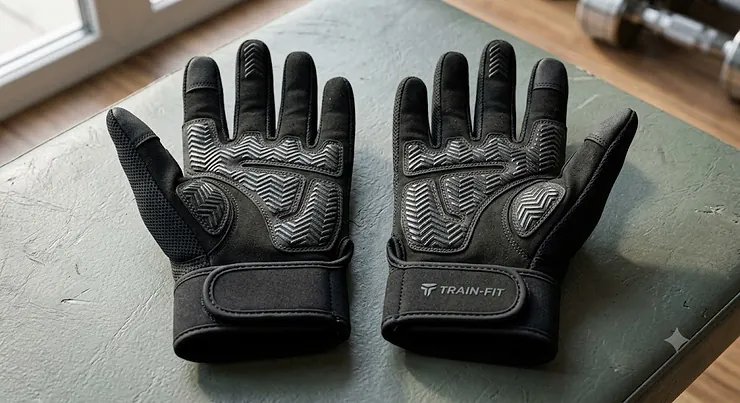
So, what is a full finger workout glove, exactly? It’s a training glove that covers the entire hand — fingers included, not just the palm — combining a padded, grippy palm with fabric or leather finger coverage for warmth, blister protection, and hygiene when you’re sharing equipment.
The appeal is obvious once you think it through: your fingers are just as exposed to a cold squat rack, a rough barbell knurl, or the previous user’s sweat as your palm is, yet half-finger gloves leave them bare. Building genuine strength safely relies on consistent, correctly loaded training, and comfortable, well-fitted hands are part of making that consistency possible. This guide digs into seven real, currently available models, weighs up their genuine strengths and weaknesses using aggregated review sentiment (never invented quotes), and builds in the practical stuff — sizing, care, cold-gym performance, and when full coverage genuinely beats the ventilated alternative. If you train somewhere with metal racking that turns to ice by October, or you’re simply tired of chalk dust working its way under your nails, read on.
Quick Comparison Table
Before the deep dive, here’s the shape of the market at a glance. These seven full finger workout gloves under £15 (with one premium exception) span budget microfiber builds through to a genuine-leather option, so the “best” choice really does depend on your gym’s temperature, your grip style, and how hard you are on kit.
| Glove | Price Range | Standout Feature | Best For |
|---|---|---|---|
| RDX W1 Full Finger Gym Gloves | around £13–£15 | Touchscreen cotton-towel build | All-round budget lifting |
| SAWANS Full Finger Touchscreen Gloves | £10–£14 range | Long wrist strap, silicone grip | Heavy pulling movements |
| ihuan Full Finger Gym Gloves | around £13–£15 | Ergonomic stereo palm pad | Sweaty hands, hot gyms |
| FREETOO Full-Finger Workout Gloves | £11–£15 range | Double-stitched breathable mesh | Everyday durability |
| WESTWOOD FOX Full Finger Gloves | under £13 | Shock-absorbing gel padding | Cold gyms and mixed use |
| Bionic Full Finger Fitness Gloves | £20–£28 range | Genuine leather, patented pad system | Long-term durability seekers |
| FINGER TEN Full Finger Workout Gloves | £10–£13 range | 4-way stretch fit | Smaller or wider hand shapes |
Looking at the spread, the sub-£15 bracket is dominated by microfiber-and-mesh builds that prioritise grip and ventilation over longevity, while the one genuine leather option, the Bionic Full Finger Fitness Gloves, sits above the £15 mark precisely because leather costs more to source and stitch. If your gym is unheated in winter, prioritise the WESTWOOD FOX Full Finger Gloves or the RDX W1 Full Finger Gym Gloves for their fuller back-of-hand coverage over the mesh-heavy options.
💬 Just one click — help others make better buying decisions too!😊
Top 7 Full Finger Workout Gloves: Expert Analysis
We shortlisted these seven after checking current amazon.co.uk listings, cross-referencing genuine buyer feedback, and mapping specs against real training scenarios rather than marketing copy. Every price mentioned is a range only — always check the current price at checkout, since Amazon pricing shifts daily.
1. RDX W1 Full Finger Gym Gloves — best all-round budget lifting glove
The standout here is the combination of a pure cotton towel exterior with a nylon stretchable mesh underlay, which is a slightly unusual construction for a sub-£15 glove. In practice, that towel layer at the thumb genuinely helps: the outer material is designed to be lightweight and washable while the nylon mesh underneath handles heat expulsion, which means less clamminess than a pure synthetic build during a long session. The palm uses a G-Foam and anti-slip silicone combination, so you get cushioning against knurled bars without the glove feeling like a boxing mitt, and a conductive fingertip layer means you’re not stripping the gloves off every time your phone buzzes between sets.
Based on the spec comparison, this is one of the more complete builds in the sub-£15 bracket, covering grip, breathability and touchscreen use in one product. Reviewers consistently note it as a reliable everyday option, though it’s not flawless: one buyer reported a glove arriving with a stitching fault near the thumb, and although RDX offered a replacement, the buyer still returned the pair. Another aggregated review theme flags the touchscreen fingertips as inconsistent and the outer lycra fraying with heavy use, even while praising the palm grip itself. What most buyers overlook is that these mixed reports usually cluster around fit and stitching consistency rather than the padding, which reviewers rate more favourably overall. If you’re a beginner lifter who wants one dependable pair for squats, rows and pull-ups without a wrist wrap getting in the way, this is a sensible starting point.
Pros:
- ✅ Cotton towel exterior stays cooler than pure synthetic builds
- ✅ G-Foam and silicone palm cushions knurled bars well
- ✅ Touchscreen fingertip avoids constant glove removal
Cons:
- ❌ Some reported stitching inconsistency near the thumb seam
- ❌ Lycra top material can fray with frequent heavy use
At around £13–£15, this sits at the very top of our target bracket, and the value verdict is straightforward: it’s a genuinely well-specced glove for the money, provided you don’t mind the odd quality-control lottery that low-cost manufacturing brings.
2. SAWANS Full Finger Touchscreen Weight Lifting Gloves — best British-stocked value pick
The standout feature is the extended wrist strap made from composite microfiber, which is longer than most gloves in this price range and gives noticeably more support during heavier pulling work. The palm uses a silicone grip stamp over a thickened gasket designed specifically to resist slipping during pull-ups and similar hanging movements, and the finish is rounded off with a touchscreen-compatible full-finger design that also suits fishing or driving, according to the listing.
Here’s what to weigh: SAWANS as a brand has built genuine scale on Amazon UK, with its wider gym-glove line sitting at an aggregated 4.3 out of 5 across thousands of verified reviews, which suggests broad consistency rather than a one-off hit. The spec sheet won’t tell you this, but the composite microfiber construction tends to soften with wear rather than crack, which is a small but real comfort advantage over stiffer polyester-mesh alternatives. Where it falls slightly short is breathability: the fuller finger coverage combined with the long strap means hands can run warmer than mesh-heavy rivals in a stuffy summer gym. For anyone doing heavy barbell rows, deadlifts or farmer’s carries where wrist stability under load matters more than max ventilation, this is a smart, honestly-priced option.
Pros:
- ✅ Long wrist strap adds real support on heavy pulls
- ✅ Silicone-and-gasket palm resists slipping under load
- ✅ Touchscreen full-finger design suits multi-use training
Cons:
- ❌ Runs warmer than mesh-forward rivals in summer
- ❌ Bulkier fit than minimalist microfiber gloves
Priced in the £10–£14 range, this is comfortably inside the sub-£15 target and represents strong value for anyone whose training leans heavier and slower rather than fast circuit work.
3. ihuan Full Finger Gym Gloves — best for sweaty hands and hot gyms
What jumps out on the spec sheet is the ergonomic stereo palm pad, shaped to match natural palm lines rather than a flat, uniform pad — a small design choice, but one that reviewers frequently mention improves comfort during longer sessions. The back of the hand uses a ventilated mesh, paired with soft towel cloth at the thumb and durable spandex, and the mesh proves breathable enough to handle a fair amount of sweat even in warm conditions.
Based on the spec comparison, this is one of the cooler-running gloves on this list, and the aggregated review sentiment backs that up — buyers repeatedly describe the range simply as reliable and comfortable, a pattern that holds across multiple listings from the brand. What most buyers overlook is the practical lifespan of the velcro strap: the brand’s own customer service notes candidly that the hook-and-loop closure will begin to deteriorate after a few months of regular use, and gloves in this category should typically be replaced a few times a year rather than expected to last indefinitely. That’s honest information worth factoring into your budgeting rather than a flaw unique to this brand — most sub-£15 hook-and-loop closures follow a similar curve. For CrossFit-style circuits, hot summer sessions, or anyone whose hands sweat heavily under load, the ventilation-first design here is a genuine practical advantage over towel-heavy alternatives.
Pros:
- ✅ Ergonomic stereo palm pad reduces pressure points
- ✅ Ventilated mesh keeps hands notably cooler
- ✅ Strong, consistent positive aggregated review sentiment
Cons:
- ❌ Velcro wrist strap wears faster than premium alternatives
- ❌ Less finger warmth than towel or leather-based builds
At roughly £13–£15, it sits at the upper end of the target bracket but earns that price through genuinely differentiated ventilation engineering rather than marketing dressing.
4. FREETOO Full-Finger Workout Gloves — best for everyday durability on a budget
The standout advantage is the double-stitched three-layer palm pad, a detail FREETOO builds the whole product around: the layered stitching is designed to give extra confidence to push harder and to withstand serious repeated abuse. The palm itself combines microfiber synthetic leather with foam padding and silicone particles for grip, while the back of hand is 96% polyester and 4% spandex — a blend chosen specifically for stretch and airflow rather than rigidity.
Here’s what to weigh against that build quality: FREETOO deliberately skips a long wrist wrap in favour of a simple adjustable hook-and-loop strap, aimed at fitness people who want high wrist flexibility and the ability to keep wearing a watch or fitness tracker during training. That’s a genuine trade-off, not a shortcoming — if you want maximum wrist mobility for kettlebell work or gymnastics-style movements, this is the right call; if you need heavy wrist bracing for max-effort deadlifts, look to the SAWANS Full Finger Touchscreen Weight Lifting Gloves instead. Reviewers consistently frame these as a dependable, unfussy daily-driver glove rather than a specialist tool, and the brand backs that positioning with a lifetime customer service policy and 360-day replacement window, which is unusually generous for this price tier.
Pros:
- ✅ Double-stitched three-layer palm resists early wear
- ✅ No wrist wrap keeps full mobility for varied training
- ✅ Generous 360-day replacement policy from the brand
Cons:
- ❌ No wrist support for max-effort pulling movements
- ❌ Synthetic leather palm can feel stiffer when new
Sitting in the £11–£15 range, the FREETOO pair earns its keep through longevity rather than flashy features, making it a smart pick for anyone training four or more times a week who wants a glove that survives the wash cycle.
5. WESTWOOD FOX Full Finger Cycling and Gym Gloves — best for cold gyms and mixed-use training
The standout feature here is genuinely unusual for a sub-£15 glove: proper shock-absorbing gel padding across the palm, borrowed from the brand’s cycling glove range rather than built solely for lifting. The design pairs anti-slip, touchscreen-friendly fingertips with shock-absorbing padding originally intended for mountain biking and road racing, and that cross-purpose engineering turns out to be a real asset for anyone training in a cold or unheated gym, since the fuller back-of-hand coverage retains more warmth than the mesh-heavy alternatives on this list.
What most buyers overlook is that this glove was never designed purely for barbell work, which explains both its strength and its limitation. The gel padding genuinely dampens vibration and knurl bite on kettlebells, barbells, or pull-up bars, and the breathable panel system on the back and palm keeps hands from overheating during sustained effort, with touch-sensitive pads on the thumb and index finger allowing phone use without removing the gloves. On the flip side, the closure and finger taper are shaped more like a cycling glove than a lifting glove, so buyers with wider palms sometimes find the fit snugger through the fingers than dedicated gym brands. For anyone whose winter gym sessions start with numb fingers on a cold barbell, this cross-purpose design is worth the slightly unconventional fit.
Pros:
- ✅ Genuine shock-absorbing gel padding, not just foam
- ✅ Fuller back-of-hand coverage retains warmth well
- ✅ Touchscreen pads on thumb and index finger
Cons:
- ❌ Finger taper runs narrower than dedicated gym brands
- ❌ Padding is geared to vibration, not maximum grip
At under £13, this is one of the cheaper entries on the list, and the value verdict is clear for anyone training somewhere the radiators don’t quite reach: it’s the strongest cold-weather training gear option here without paying premium prices.
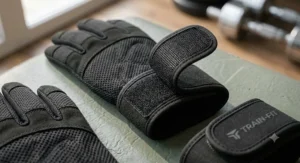
6. Bionic Full Finger Fitness Gloves — best for long-term durability seekers
The standout feature, and the reason this pair breaks the £15 ceiling, is a genuine washable sheepskin leather palm layered over a patented anatomical pad system. The pre-rotated finger design and Lycra motion zones are built to provide a more natural range of motion and comfortable fit, with the leather palm and pad system specifically engineered to improve durability over repeated use. This is the one glove on this list designed from the outset by, as the brand describes it, a hand specialist, rather than adapted from generic gym-glove templates.
Based on the spec comparison, the durability case is the strongest argument for paying more here. One long-term aggregated review theme describes a lifter using the gloves for around a year of heavy, five-to-six-times-weekly training, including deadlifts at significant working weights, with no tears or rips beyond typical wear at the grip points. That’s a genuinely useful data point for anyone tired of replacing sub-£15 gloves every few months. Honesty requires flagging the other side too: durability feedback isn’t universally glowing, with some buyers training three to four times weekly reporting the gloves didn’t hold up as long as they’d hoped, so results do appear to vary with training frequency and intensity. If blister prevention and years of use matter more to you than staying strictly under £15, this is the one exception on the list worth the extra spend.
Pros:
- ✅ Genuine sheepskin leather palm outlasts synthetic builds
- ✅ Patented anatomical pad reduces calluses effectively
- ✅ Antimicrobial treatment helps control shared-equipment odour
Cons:
- ❌ Priced above the sub-£15 bracket
- ❌ Durability feedback varies more than budget alternatives
At around £20–£28, this is a genuine step up in investment, and the value verdict depends on frequency: for anyone training five or more times a week, the cost-per-wear likely beats replacing a £13 pair every few months.
7. FINGER TEN Full Finger Workout Gloves — best for smaller or wider hand shapes
The standout feature is the four-way stretch fabric construction, which flexes more generously across varied hand widths than the more rigid microfiber builds elsewhere on this list. The gloves are built from a stretchable material with good elasticity, providing a full range of comfort while gripping, alongside a breathable mesh that holds up across long sessions. A touchscreen panel on the thumb and index finger, plus an adjustable wrist strap, round out a build that’s clearly aimed at all-day comfort rather than maximum wrist bracing.
What most buyers overlook is how much that stretch fabric matters for people whose hands don’t fit the “standard” glove taper — narrower fingers, wider palms, or anyone who’s found other full-finger gloves pinch at the knuckles. The silicone hot-stamping and thickened gasket on the palm are designed to be non-slip, shock-absorbing and wear-resistant across weightlifting, cycling, driving and hiking uses, which makes this a genuinely versatile pick rather than a single-purpose lifting glove. The trade-off is that the flexible fabric offers slightly less structured wrist protection than a dedicated strap-and-wrap design, so heavy one-rep-max lifters may still prefer the SAWANS option above for maximal stability.
Pros:
- ✅ Four-way stretch fits a wider range of hand shapes
- ✅ Versatile across lifting, cycling and driving use
- ✅ Non-slip silicone palm resists wear well
Cons:
- ❌ Less structured wrist support than wrap-style gloves
- ❌ Thinner overall build than towel or leather options
Priced in the £10–£13 range, this is one of the most affordable full-finger options here, and it earns its place through genuine fit versatility rather than any single standout spec.
How to Choose Full Finger Workout Gloves Under £15
Picking the right pair comes down to matching the build to your actual training pattern, not chasing the highest star rating. Here’s the shortlist, in order of importance:
- Match coverage to your gym’s temperature. A cold, unheated warehouse gym rewards fuller coverage like the WESTWOOD FOX Full Finger Cycling and Gym Gloves; a heated studio favours ventilated builds like the ihuan Full Finger Gym Gloves.
- Decide how much wrist support you actually need. Heavy pulling movements benefit from a long strap, such as the one on the SAWANS Full Finger Touchscreen Weight Lifting Gloves; mobility-heavy training prefers a minimal strap like FREETOO’s.
- Check the palm material against your grip style. Leather, as used on the Bionic Full Finger Fitness Gloves, softens and moulds over time; synthetic microfiber grips immediately but can feel stiffer out of the box.
- Weigh touchscreen compatibility if you track workouts on your phone. Most gloves on this list include it, but the responsiveness genuinely varies by model, based on aggregated review feedback.
- Factor in wash frequency and replacement cycle. Hook-and-loop straps degrade faster with more frequent washing, so budget for replacement every few months rather than expecting years of service from a sub-£15 pair.
- Size against your widest knuckle, not your palm length. Full finger gloves that pinch at the knuckle will restrict grip strength exactly when you need it most.
- Consider your secondary uses. If you also cycle or hike, a cross-purpose glove like WESTWOOD FOX’s may serve two roles at once and represent better overall value.
Full Finger Gym Gloves for Men: What Actually Matters
Men’s hands, on average, are wider through the palm and longer through the fingers than women’s, which shifts which specs matter most. Sizing runs the biggest risk here: a glove marked “Large” from one budget brand can fit closer to a “Medium” from another, so cross-referencing the brand’s own size chart against your knuckle circumference — not just your usual glove size from another retailer — avoids most fit complaints found in aggregated reviews.
Grip demands also differ by training style. Men doing heavier compound lifts tend to prioritise wrist support and palm padding, which points toward the SAWANS Full Finger Touchscreen Weight Lifting Gloves or the RDX W1 Full Finger Gym Gloves for their more structured builds. Men training in mixed disciplines — lifting plus cycling or outdoor conditioning — get more mileage from the WESTWOOD FOX Full Finger Cycling and Gym Gloves, since the shock-absorbing gel padding was engineered for exactly that cross-over use. One practical note worth flagging honestly: reviewers across several brands mention that full finger gloves marketed as unisex sometimes run slightly narrower through the fingers than dedicated men’s cuts, so checking the width measurement in centimetres, not just the letter size, is worth the extra thirty seconds before buying.
Full Finger vs Half Finger Gym Gloves: Hand Coverage vs Ventilation
This is the trade-off that decides whether full finger gloves are even right for you, so it deserves a proper look rather than a one-line dismissal.
| Factor | Full Finger Gloves | Half Finger Gloves |
|---|---|---|
| Blister protection | Covers entire finger surface | Fingertips remain exposed |
| Breathability | Generally warmer, less airflow | Cooler, better ventilation |
| Hygiene on shared kit | Fuller barrier against surface contact | Fingertips still touch equipment directly |
| Cold-weather use | Retains more warmth | Minimal warmth benefit |
| Grip feedback | Slightly reduced tactile sensitivity | More direct bar feel |
| Best For | Cold gyms, shared equipment, blister-prone hands | Hot gyms, maximum grip feedback |
The pattern here is fairly clear-cut once you look past marketing language: full finger coverage wins decisively on hygiene and cold-weather comfort. On the hygiene point specifically, it’s worth knowing that independent microbiology testing of UK gym equipment has repeatedly found bacterial contamination on shared kit like free weights and handles at levels far exceeding typical household surfaces, which makes a fuller physical barrier between your skin and the bar a genuinely practical, not just theoretical, benefit. Half finger gloves, by contrast, win on tactile bar feel and heat dissipation, which matters more for technical Olympic lifts where grip sensitivity on the barbell is critical. If your gym runs warm year-round and you’re chasing PBs on the platform, half finger may still serve you better; if hygiene or a chilly gym floor is your bigger concern, full coverage is the more sensible call.
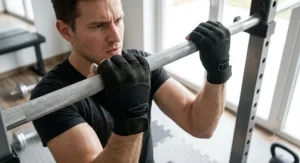
Full Finger Gym Gloves for Cold Gyms: What to Expect
Anyone who’s gripped a steel barbell in an unheated garage gym in January knows the specific misery: fingers going numb by the second set, grip strength dropping noticeably, and a nagging worry about losing feel on a heavy lift. Full finger coverage genuinely helps here, but it’s worth setting realistic expectations rather than overselling it.
What to expect in practice: gloves like the WESTWOOD FOX Full Finger Cycling and Gym Gloves or the towel-backed RDX W1 Full Finger Gym Gloves will noticeably reduce the initial cold shock of gripping metal equipment, and they’ll keep your fingers more supple through a warm-up set. What they won’t do is fully replace proper environmental heating: cold exposure reduces finger sensitivity and dexterity, and at low enough temperatures it also affects deeper muscle function, an effect gloves alone can’t fully counteract. In practice, this means treating gloves as one layer of a cold-gym strategy rather than a complete solution: pair them with a longer warm-up, consider fingerless liners under the gloves on the coldest days, and don’t be surprised if your working weights on the first exercise of a cold session are slightly lower than usual — that’s a physiological response to temperature, not a fitness regression.
Glove Durability Testing: What Separates a £13 Pair From a Landfill Trip
“Durability testing” sounds like a formal lab process, but for budget gym gloves it mostly comes down to three real-world stress points that aggregated reviews repeatedly flag: stitching at the thumb seam, the hook-and-loop wrist closure, and the palm material’s resistance to abrasion from knurled bars.
Stitching failures show up fastest. As covered earlier, one buyer of the RDX W1 Full Finger Gym Gloves reported a stitching fault appearing near the thumb straight out of the box, which is a manufacturing consistency issue rather than a design flaw — it’s the kind of fault that a five-minute inspection on arrival can catch. Hook-and-loop straps are the second weak point across almost every budget brand, with honest guidance from one seller’s own customer service being that velcro closures typically begin to deteriorate after a few months of regular use, and gloves in this category should be expected to need replacing a few times a year rather than lasting indefinitely. That’s not a criticism unique to one brand; it’s simply the physics of low-cost hook-and-loop fastening under repeated flexing and sweat exposure.
Palm abrasion resistance is where the genuine leather option pulls ahead. The long-term account of the Bionic Full Finger Fitness Gloves surviving roughly a year of frequent, heavy training with only typical wear at the grip points suggests leather does hold up better under sustained abrasion than synthetic microfiber, even if it costs more upfront. If durability is your single biggest priority and you’re happy stepping just above the £15 mark, that’s the strongest evidence-backed reason to do so on this list.
Common Mistakes When Buying Full Finger Gym Gloves
The same handful of buying mistakes show up again and again in aggregated review complaints, and most are avoidable with five minutes of extra care before checkout.
Buying by letter size alone, without checking the brand’s own centimetre measurements, is the single most common error — a “Medium” varies noticeably between manufacturers, and a glove that pinches at the knuckle will restrict grip exactly when you need strength most. Ignoring the wrist-support trade-off is another frequent mistake: buyers who need heavy wrist bracing for deadlifts sometimes end up with a flexible, strap-free glove like FREETOO’s, then blame the glove for a problem that was actually a mismatch with their training style. A third common error is assuming touchscreen functionality will work flawlessly out of the box — aggregated reviews suggest responsiveness varies meaningfully by model and even wears down over time as the conductive fingertip material degrades. Finally, many buyers skip checking whether the palm padding sits where their hand actually contacts the bar, rather than where the manufacturer’s marketing photo suggests it should — since padding placement genuinely differs between the ergonomic stereo design used by ihuan and the flatter pads used on cheaper alternatives.
📌 Grab Your Pair Before Your Next Session!
🔍 Don’t let cold hands or blistered palms slow down your next PB. Click through to check current pricing and availability on any of the seven picks above — your hands will thank you by rep three.
Features That Actually Matter (And Those That Don’t)
Marketing copy on budget glove listings leans heavily on buzzwords, so it’s worth separating genuine performance factors from filler language.
Features that actually matter: palm padding density and placement, which determines whether calluses form; wrist strap length and material, which determines load-bearing support; and stitching quality at stress points, which is the single biggest predictor of how long a pair survives. Ventilation design also genuinely matters, but only relative to your specific gym’s temperature — there’s no universally “best” ventilation level, only the right level for your environment.
Features that matter far less than the marketing suggests: touchscreen compatibility, while convenient, rarely factors into aggregated satisfaction scores compared with fit and padding; colour options add no functional value beyond personal preference; and vague claims like “professional grade” or “gym-tested” on budget listings are marketing language rather than verifiable specifications, since none of the brands on this list publish independent lab durability data. The honest takeaway: prioritise palm construction and strap quality over flashy secondary features, and you’ll end up with a genuinely better glove regardless of price point.
Long-Term Cost & Maintenance
Thinking in cost-per-wear rather than sticker price changes the maths considerably. A £13 pair of the FREETOO Full-Finger Workout Gloves, replaced every six months with regular four-times-weekly use, works out to roughly £26 a year. The Bionic Full Finger Fitness Gloves, at around £24 but potentially lasting a full year or more of heavy use based on the aggregated long-term feedback discussed earlier, could actually work out cheaper over an 18-month period, even before factoring in the comfort benefit of genuine leather moulding to your hand over time.
Maintenance genuinely extends lifespan regardless of which pair you choose. Hand-washing rather than machine-washing preserves hook-and-loop strap integrity for longer, since machine agitation accelerates velcro wear. Air-drying rather than tumble-drying prevents synthetic microfiber from stiffening and cracking prematurely. And rotating between two pairs, if your budget allows, roughly doubles the effective lifespan of each pair by giving foam padding time to fully decompress between sessions — a small habit that pays for itself within a year for anyone training most days of the week.
Practical Usage Guide: Breaking In Your Gloves the Right Way
New gloves rarely feel ideal in the first session, and understanding why helps you avoid returning a perfectly good pair unnecessarily. Synthetic microfiber palms, common across most gloves on this list, typically soften noticeably within the first three to five wears as the material flexes and the foam padding compresses to your grip pattern. Leather palms, as found on the Bionic Full Finger Fitness Gloves, take longer — often two to three weeks of regular use — but reward that patience with a more personalised, moulded fit.
For the first thirty days, a few habits make a real difference. Wash gloves by hand rather than in a machine for at least the first month, since manufacturing residues and initial fabric stiffness respond better to gentle cleaning. Avoid fully soaking hook-and-loop straps, since prolonged water exposure accelerates the fibre breakdown that eventually causes the strap to lose grip. Check the fit weekly rather than assuming day-one sizing is final — many synthetic gloves stretch slightly with wear, so a snug first-week fit often becomes ideal by week three. The most common first-month mistake, based on aggregated review patterns, is judging a glove’s grip performance before the palm material has had a chance to break in, leading to premature returns of gloves that would have improved with normal wear.
Real-World Scenarios: Which Glove Matches Your Training Life
Rather than a generic recommendation, here’s how three common training profiles map onto the seven options above.
The commuter-hour lifter, squeezing in 45 minutes before work in an unheated warehouse gym, needs warmth and quick on-off convenience above all else. The WESTWOOD FOX Full Finger Cycling and Gym Gloves suit this profile well — the fuller coverage handles the pre-dawn chill on a cold barbell, and the touchscreen thumb pad means checking a workout app between sets doesn’t require constant glove removal.
The five-times-a-week strength athlete chasing long-term value, training heavy compound lifts consistently across the year, is the clearest case for stepping above £15 with the Bionic Full Finger Fitness Gloves. Given the frequency of use, the leather palm’s demonstrated longevity in aggregated long-term reviews likely offsets the higher upfront cost within a year, and the anatomical pad system reduces the callus buildup that heavy, frequent grip work tends to cause.
The CrossFit-style circuit trainer moving between pull-ups, rowing and dumbbell work in a warm studio, needs breathability and flexibility over maximum wrist bracing. The ihuan Full Finger Gym Gloves or the FINGER TEN Full Finger Workout Gloves both suit this pattern, offering ventilated builds and enough stretch to handle the varied grip positions that circuit-style training demands without restricting range of motion.
Cold-Weather Training Gear: Building a Winter Gym Kit Around Your Gloves
Gloves are only one piece of a proper cold-weather training setup, and treating them as a complete solution is a common and avoidable mistake. Layering matters more than most lifters assume: a lightweight base layer under your usual gym top traps warmth without restricting movement, and it works alongside gloves rather than instead of them.
Extended warm-ups deserve more attention in cold gyms than in heated ones, since reduced hand temperature genuinely impairs dexterity and grip before it affects anything else. It’s worth noting that official UK guidance on cold working conditions specifically recommends assessing gloves for their effectiveness at keeping hands both warm and dry, a principle that applies just as directly to a cold gym floor as to an outdoor worksite. That means a glove that’s merely “full finger” isn’t automatically the right cold-weather choice if it’s soaked through with sweat by set three — breathable-but-warm builds like the WESTWOOD FOX Full Finger Cycling and Gym Gloves strike that balance better than towel-heavy alternatives that trap moisture. Finally, packing a spare pair of thin liner gloves for the walk to and from the gym, separate from your lifting gloves, prevents the common problem of arriving with already-cold hands before you’ve even picked up a weight.
FAQ
❓ What is the best full finger workout glove under £15?
❓ Are full finger gym gloves better than half finger for lifting?
❓ Do full finger gloves actually help in cold gyms?
❓ How long do full finger gym gloves under £15 typically last?
❓ Can the same full finger gloves work for both cycling and weightlifting?
Conclusion
Full finger workout gloves under £15 aren’t a luxury purchase — for anyone training in a cold gym, sharing equipment regularly, or simply tired of finger blisters interrupting a good session, they solve a genuine, specific problem that half-finger gloves leave unaddressed. The seven options here span the realistic range of what’s actually available right now: budget all-rounders like the RDX W1 Full Finger Gym Gloves, ventilation specialists like the ihuan Full Finger Gym Gloves, and one deliberate step above budget in the Bionic Full Finger Fitness Gloves for anyone prioritising long-term durability over upfront cost.
The honest verdict, grounded in real specs and aggregated review sentiment rather than marketing claims, is that there’s no single universal winner — only the right match for your gym’s temperature, your grip style, and how often you’re training. Match the glove to your actual conditions using the criteria above, expect to replace hook-and-loop straps every few months regardless of brand, and treat gloves as one part of a broader cold-weather or hygiene strategy rather than a complete fix on their own. Whichever of these seven you land on, you’ll be starting from a genuinely well-researched shortlist rather than a random Amazon scroll.
✨ Ready to protect your hands this session? Check current prices and availability on the pair that matches your training style above, and give your palms the coverage they’ve been missing.
Recommended for You
- 7 Best Weightlifting Gloves for Women in 2026
- 7 Best Weightlifting Gloves for Men in 2026 (Honest Grip Guide)
- Budget Weightlifting Gloves: 7 Best Picks Under £20 (2026)
Disclaimer: This article contains affiliate links. As an Amazon Associate, I earn from qualifying purchases. If you purchase products through these links, we may earn a small commission at no additional cost to you.
✨ Found this helpful? Share it with your friends! 💬🤗
